How Does a Radioisotope Thermoelectric Generator Work?
See how spacecraft RTGs convert heat from radioactive decay into reliable electricity, with examples from NASA missions.
How Does a Radioisotope Thermoelectric Generator Work?
SCIENCE EXPLAINED • US ENGLISH • EDITORIAL SNAPSHOT: NOVEMBER 1, 2026
A radioisotope thermoelectric generator (RTG) makes electricity by converting heat from radioactive decay into electrical energy. NASA uses these power systems on some spacecraft where sunlight is weak, unreliable, or otherwise poorly suited to the mission. An RTG is not a nuclear reactor: it does not sustain a controlled fission chain reaction, and its heat source does not need moving parts to work.
Where the heat comes from
In widely used NASA RTGs, the fuel is a protected form of plutonium-238 oxide. Its nuclei naturally decay, releasing energy as heat over many years. The heat does not require oxygen, combustion, or a fuel pump. The radioisotope's long half-life helps it deliver a gradually changing heat supply suitable for demanding long-duration missions.
That does not mean the material is harmless or available for personal experimentation. Radioisotope power systems are highly specialized, engineered, and regulated equipment built with robust containment and mission safety reviews. This article describes the principle, not a construction method.
The thermoelectric conversion step
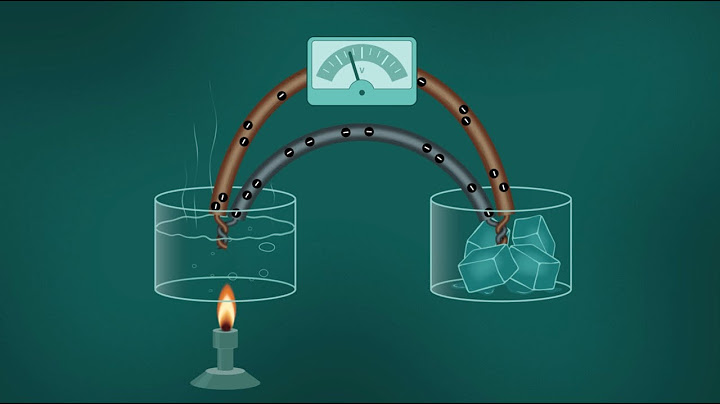
Thermoelectric modules exploit the Seebeck effect, in which a temperature difference across suitable materials can generate a voltage. The fuel heats one side of the converter; the other side rejects heat to the surrounding environment. Connecting many thermoelectric elements provides a useful electrical output for onboard systems.
Only a fraction of the heat becomes electricity. The remainder must be managed by the spacecraft's thermal system and may sometimes be useful for keeping instruments warm. A simple diagram has three stages: radioisotope heat source → thermoelectric converter → electrical power, with surplus heat released to the environment.
RTG versus solar panels and a reactor
Solar panels convert incoming sunlight directly into electricity, so their performance depends on illumination and placement. RTGs use heat from radioactive decay and can operate in dark or dusty conditions, although their output is limited and gradually declines. A reactor instead uses controlled nuclear reactions to generate power and is a different technology with different systems and requirements.
The choice is a mission engineering decision, not an argument that one source is universally superior. Power need, weight, lifetime, thermal conditions, reliability, and destination all matter. Some missions combine solar electricity with separate radioisotope heater units that provide warmth but not significant electrical output.
NASA mission examples
The Mars Curiosity and Perseverance rovers use multi-mission RTGs to supply power and heat on the Martian surface. New Horizons relied on radioisotope power for its distant Pluto and Kuiper Belt exploration. The Voyager spacecraft also demonstrate how radioisotope-powered systems can support very long journeys far from the Sun.
Different generations of RTGs use different hardware and performance characteristics, so a figure quoted for one spacecraft should not be copied into another as if every unit were identical. NASA's technical information identifies the specific system used on each mission.
Safety and scientific context
RTGs have engineered containment and extensive safety procedures. Their radioisotope heat source is fundamentally different from the trapped electrons and protons of the Van Allen belts. Both involve radiation-related physics, but one is a managed power source and the other a natural near-Earth particle environment.
Why power decreases gradually
Radioactive fuel produces less heat over time as undecayed nuclei become less numerous. Thermoelectric material performance can also change during a long mission. Consequently, engineers budget an RTG’s expected available electricity across the mission lifetime, rather than treating its output as a perfectly constant number. This long-term planning is one reason that power, thermal design, and scientific payload choices are linked.
Frequently asked questions
Does an RTG use nuclear fission? No. Standard RTGs rely on the natural radioactive decay of a radioisotope, not a sustained fission chain reaction.
Can an RTG work at night? Yes. Its heat source does not depend on sunlight.
Do RTGs have moving mechanical generators? Typical thermoelectric RTGs do not; they use solid-state conversion.
Explore related science topics
For a closer look at connected concepts, read radioactive decay explained, and Earth’s Van Allen belts.