Planning Skin Care Ads, Hashtags, and Disclosures
Plan skin care social media ads with creative direction, hashtag decisions and FTC disclosure checks for U.S. campaigns.
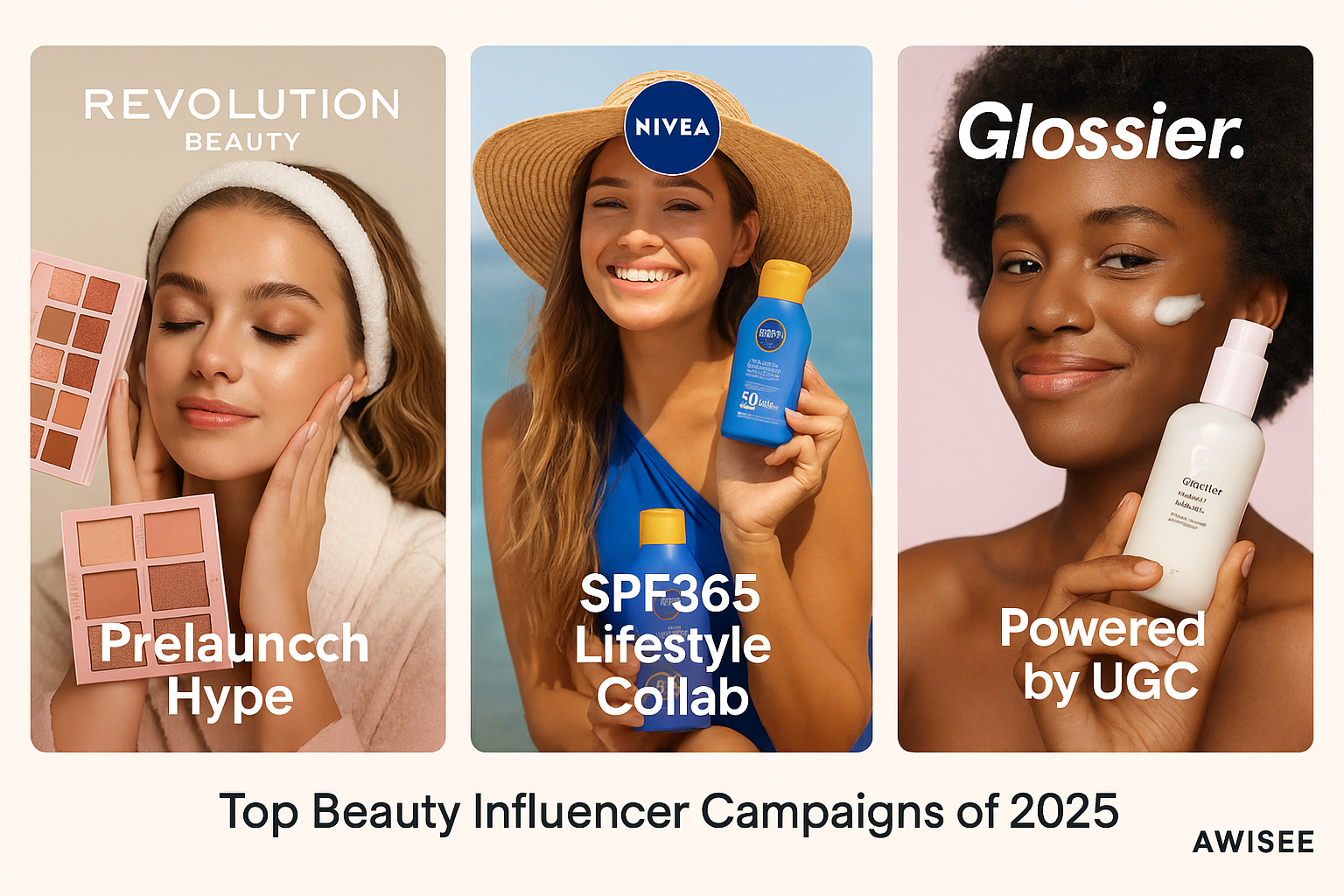
Planning Skin Care Ads, Hashtags, and Disclosures
Skin care advertising has two jobs: attract the right shopper and avoid misleading them. A beautiful texture video may earn attention, but it cannot establish a medical outcome. Likewise, a clever hashtag does not replace a clear disclosure when an influencer has a material connection to a brand. A repeatable campaign process is better than chasing a viral format without a claim review.
Build creative around a genuine customer question
Start with one audience and one problem the product is intended to address. A cleanser campaign might show texture, application, and how the product fits into a routine. A moisturizer campaign could explain finish, package size, and who may prefer a richer feel. Do not present cosmetic appearance changes as a guaranteed medical result.
Prepare several distinct concepts, such as an ingredient-label explainer, a short product demonstration, and a routine pairing. Give each creative a clear purpose and a way to assess whether it answered a shopper’s question. Avoid copying trending beauty “challenges” that encourage unsafe use.
Use hashtags to label content, not prove results
Hashtags help categorize and discover posts, but they do not provide evidence for product performance. Select a few terms that reflect the actual subject instead of adding unrelated popular tags. Platform trends change quickly, so a fixed list of “best 2025 hashtags” is unlikely to remain useful.
Measure more than impressions. Track qualified site visits, product-page engagement, questions in comments, and returns or complaints where available. A post that reaches fewer people but sets accurate expectations can be more valuable than a sensational clip.
Make sponsorship and affiliate disclosures unmistakable
The Federal Trade Commission advises influencers to clearly disclose material connections that could affect the weight of an endorsement, including payment and free products. Disclosures should be hard to miss and near the endorsement. Burying “ad” among many hashtags or relying only on a profile page is not enough.
Train creators and review drafts before publication. The brand should also keep a record of claims it has approved. A genuine personal impression should be described as an impression, not generalized into a promise that everyone will have the same experience.
Review efficacy and safety claims before launch
Build a claim sheet showing the exact approved language, the substantiation available for it, and phrases that creators must not use. Compare a statement such as “skin feels hydrated” with a claim to treat a diagnosed condition; the latter may raise drug-regulatory issues. Avoid invented clinical percentages, fabricated testimonials, and altered before-and-after pictures.
After launch, monitor comments for recurring confusion about how the product should be used. Correct mistakes promptly. A creator brief should include practical instructions, risks to avoid, and a point of contact for questions—not only a list of sales messages.
A review pass for a 15-second ad
Suppose a creator demonstrates a moisturizer and says, “I love the way this feels,” after receiving the product for free. Your review should check that the free-product connection is clearly disclosed, the demonstration represents actual use, and text overlays do not turn a personal impression into an unsupported promise to repair every skin barrier. Then review the caption, music-adjacent text, and platform disclosure tools together. Each element can change how the viewer understands the message.
A useful checklist
Write one documented campaign promise for each creative concept.
Put clear sponsorship disclosures in the actual content.
Review before-and-after images and clinical-sounding claims.
Measure shopper understanding and complaints alongside engagement.
Questions readers ask
Can a hashtag replace an “ad” disclosure?
No. Disclosure needs to be clear and conspicuous; hiding it in a hashtag pile may be inadequate.
Should a brand use a trending hashtag from last year?
Only if it still accurately describes the content. Relevance matters more than a dated popularity claim.
Strong skin care advertising earns trust by showing the product clearly, explaining realistic expectations, and making the commercial relationship obvious.
Keep exploring
Before creating an ad campaign, How to Name a Skin Care Brand People Remember.