Walkers in The Walking Dead: What the Zombies Are
Walkers in The Walking Dead: What the Zombies Are. Clear US-English guide with verified timelines, helpful context and related pages.
Walkers in The Walking Dead: What the Zombies Are
Why characters call them walkers
In The Walking Dead, the undead are commonly called 'walkers,' while groups use other names such as biters, roamers or geeks. The terminology reflects characters' communities and experiences; it does not designate entirely separate species. The series generally avoids treating zombie-film rules as an in-world instruction manual, even though audiences recognize many familiar horror conventions.
What happens after death
The show's basic fictional premise is that people who die can reanimate unless the brain has been destroyed. A walker bite is highly dangerous because infection and injury usually cause death, after which a person may turn. This is the internal logic of a fictional horror series, not medically accurate advice about any real pathogen. Particular scenes may complicate what a character understands at the time.
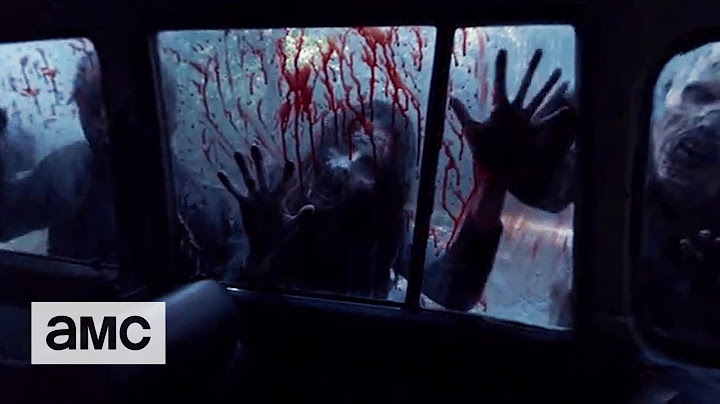
How walkers behave in different settings
Individual walkers are often slow, but groups can overwhelm defenses or force survivors into dangerous choices. Noise and movement attract attention, while the threat changes as people run out of time and safe routes. The series occasionally explores unusual walker behavior; such moments should be described by the specific episode rather than treated as a universal new rule for every season.
Walkers versus human conflict
The undead create constant environmental pressure, yet many defining tragedies stem from human power struggles, distrust or failed cooperation. This is why walker lore sits separately from character death summaries and community villain guides. Readers seeking the lore can start with reanimation, bites and walker behavior without spoiling every major character's story or confusing television rules with the original comic's details.
Fictional rules change how characters make choices
Learning that death itself can cause turning changes how characters handle injuries, funerals and security. Large walker groups make simple noises or exits unexpectedly dangerous. These rules provide pressure, but they do not supply a realistic public-health framework. The show’s survivor groups repeatedly invent different vocabulary for the same phenomenon, reinforcing how isolated communities interpret it. A lore article should explain the rules as fiction rather than offer real-world biological claims or unverified origin theories.
Frequently asked questions
Why not just say zombies?
Characters often use their own terms such as walkers, biters or roamers.
Can people turn without being bitten?
Yes. The fictional premise establishes reanimation after death unless the brain is destroyed.
Why are bites so dangerous?
Within the show, bite injuries commonly cause fatal illness and subsequent turning.
Do walkers always travel alone?
No. Groups and herds can overwhelm defenses.
Are the walker rules real medical information?
No. These are fictional conventions used by a horror series.
Related guides in this series
The Walking Dead Universe: Series, Spin-Offs and Viewing Guide
How to Watch The Walking Dead in Order
The Walking Dead Characters: Main Cast of Survivors
Sources and verification
Editorial research cut-off: November 6, 2026. Air dates, licenses and upcoming seasons may change.
amc.com: Every season of the walking dead series will be available for the first
