SVIX Stock: What the -1x Short VIX Futures ETF Tracks
Explore SVIX, its daily -1x exposure to a short-term VIX futures index, how it differs from SVXY, and risks of inverse volatility trading.
VIX & VOLATILITY PRODUCTS | US FINANCIAL EDUCATION
SVIX Stock: What the -1x Short VIX Futures ETF Tracks
Source check: November 6, 2026 • Evergreen guide • No live price feed
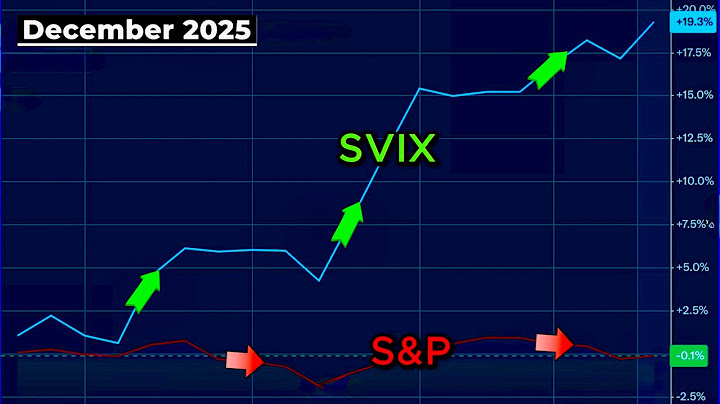
SVIX is not a share of a business called “SVIX.” It is the ticker for the -1x Short VIX Futures ETF from Volatility Shares. The fund seeks daily results linked to the SHORTVOL index, which measures inverse performance of a rolling basket of near-term VIX futures.
SVIX stock: ticker, fund and underlying index
Searches for “SVIX stock” are common shorthand, but SVIX is an exchange-traded volatility product. Buying its shares creates exposure to a derivatives strategy; the buyer is not acquiring equity in a conventional operating company with earnings, revenue and a board of directors to analyze.
The issuer describes SHORTVOL as a theoretical portfolio that takes the daily inverse of first- and second-month VIX futures. This futures-based design is why the fund can move differently from the spot Cboe VIX index even on a day when headlines describe volatility as rising or falling.
The daily -1x objective is not a long-term promise
SVIX seeks results corresponding generally to SHORTVOL for a single day, before fees and expenses. If its reference basket of near-term futures gained 3% on a hypothetical day, a -1x daily construction would point to approximately a 3% inverse move. Actual shares can differ through implementation and trading effects.
Over a week, daily gains and losses compound. A position that loses 20% requires a 25% gain on the smaller balance to return to its starting value. That simple arithmetic explains why repeated violent changes in the futures index can damage an inverse strategy even if the reference index returns near its initial level.
How the SHORTVOL benchmark is built
The SHORTVOL reference uses first- and second-month VIX futures and shifts the weights as time passes to maintain near-term exposure. Its published calculation uses a time-weighted average of the theoretical portfolio over the final 15 minutes of the regular equity session. The index rules are more precise than the phrase “short VIX.”
The issuer also notes the fund may use instruments beyond outright futures as allowed by its prospectus. The exact portfolio and risk profile can change. Investors who examine a daily holding report should distinguish the temporary positions from the underlying economic objective.
Why the spot VIX chart can mislead
The VIX cash index captures an options-based expectation for a constant 30-day horizon. A futures contract settles at a future date and trades based on expectations about that later settlement. A portfolio containing the first two futures contracts is not the same time series as the spot index.
For example, if spot VIX jumps because of near-term uncertainty while two futures contracts are already priced for that event, the fund’s benchmark reaction can be smaller or different. Conversely, futures may reprice sharply before the spot index responds. Reading only the cash-index chart can conceal the true driver of SVIX.
SVIX versus SVXY: the narrow comparison
SVIX describes a -1x daily short-futures strategy, while ProShares SVXY describes -0.5x daily exposure to a different named short-term futures index. Even an apparently simple comparison of minus one versus minus one-half misses differences in calculation, derivatives, cash holdings, rebalancing and costs.
The two products may react in the same broad direction to some futures moves, but they are not mechanically interchangeable. The separate SVXY page owns the full -0.5x fund explanation; this page remains focused on SVIX and the SHORTVOL strategy.
Large-loss and execution risks
Short volatility can produce disproportionate losses during a sudden market shock. Inverse exposure has no built-in promise of a floor against a one-day spike. Liquidity, trading halts, futures-market conditions, bid-ask spreads, derivative counterparty exposures and tracking differences matter as much as the underlying index direction.
The issuer warns that the product is not suitable for all investors and requires an understanding of daily derivative exposure. Read the current prospectus and risk disclosures; this page does not provide a price target, buy timing or personalized suitability determination.
How to check SVIX information accurately
Start with the official fund page for the mandate, benchmark and fund documents. Check the prospectus for strategy limits, leverage and risk, and confirm the exact reporting date before quoting a NAV, holding or expense figure. An outdated snapshot should not be presented as a current quote.
For readers comparing categories rather than individual tickers, the parent VIX ETF guide explains why long and inverse ETPs differ. That overview is deliberately shorter on SVIX specifics to avoid competing for this page’s type of search.
Frequently asked questions
Is SVIX a regular company stock?
No. SVIX is an exchange-traded product designed to provide inverse short-term VIX futures exposure.
Does SVIX track -1 times the spot VIX?
No. The published benchmark is SHORTVOL, a futures-based index with a daily inverse methodology.
What futures months matter for SVIX?
Its reference index uses a rolling portfolio of the first and second VIX futures months.
Is SVIX the same fund as SVXY?
No. The funds have different daily objectives and distinct benchmarks and issuer documents.
Can SVIX lose most of its value quickly?
Severe short-volatility shocks can cause substantial and potentially rapid losses; read the prospectus for the full set of risks.
