Vote by Mail: How Absentee and Mail Ballots Work
Compare vote-by-mail and absentee voting, learn how to request and return ballots, and confirm state deadlines.
Vote by Mail: How Absentee and Mail Ballots Work
Voter information guide | U.S. English | Last reviewed: November 2, 2026
This article describes general election information, not individualized legal advice. Because rules can change, verify official instructions for your state and county before acting.
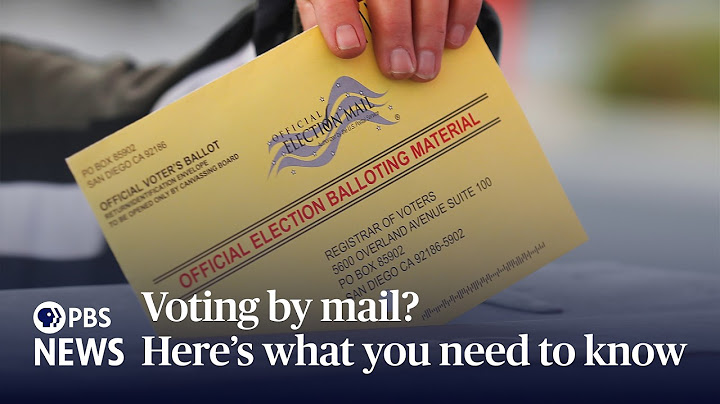
At a glance
Compare vote-by-mail and absentee voting, learn how to request and return ballots, and confirm state deadlines.
Absentee ballots and universal vote by mail
Voting by mail allows an eligible voter to mark a ballot away from a polling place and return it according to state law. Some jurisdictions automatically mail ballots to active registered voters. Others require an absentee-ballot application, and a few have specific eligibility rules or reasons for requesting one. Universal mail-ballot systems and request-based absentee systems are not the same. Check which model applies to your state and whether an address or registration update is needed before expecting a ballot.
Requesting or receiving a ballot
Use the official state or county election website to check how ballots are delivered, whether an application is required, and whether a deadline is based on receipt or postmark. The election office—not a campaign mailing list—controls the official ballot issuance process. If a ballot has not arrived, contact the office promptly about replacement options. Overseas and military voters may have separate federal forms and deadlines. Do not submit duplicate ballots or assume that a second request automatically cancels the first.
Completing the ballot accurately
Read every instruction included in the official ballot packet. Requirements can include a signature, a secrecy sleeve, identifying information on an envelope, or use of a particular return envelope. Instructions differ by jurisdiction and can affect whether a ballot is accepted. Mark choices clearly using the specified writing instrument, avoid unnecessary marks, and complete all required envelope fields. If you make a mistake, ask the election office about replacement or cure procedures rather than guessing about alterations.
Returning it before the real deadline
Return methods vary: prepaid or stamped mail, official drop boxes, designated election offices, or in-person delivery. Some jurisdictions require the ballot to arrive by close of polls; others allow receipt later if postmarked by Election Day. A general statement that all ballots mailed on November 3 count would therefore be wrong. With the November 3, 2026 election imminent, confirm both the location and exact cutoff. If mailing time is uncertain, ask the election office which permitted method best meets the deadline.
Tracking, signature problems, and voting in person
Many states offer ballot tracking or a way to verify receipt and acceptance. Some allow voters to correct signature problems after the election under specific procedures. If you received a mail ballot but prefer in-person voting, first ask whether you must surrender the ballot or use a provisional process. Never attempt to cast two votes. This page explains mail voting generally; the location of an official drop box is covered separately so it does not compete with the ballot-drop-off article.
A final-envelope quality check
Before returning the ballot, verify that you used the correct outer and inner envelopes, completed any signature and date fields, and addressed or identified the packet as instructed. Keep only any voter receipt or tracking information that the election office supplies. Avoid placing a separate explanatory note inside a ballot packet unless officials expressly direct you to do so. When a signature has changed over time, ask about the jurisdiction’s official signature-cure procedure rather than writing multiple conflicting signatures.
Questions readers often ask
Is absentee voting the same as vote by mail?
They overlap, but some states require an absentee request while others routinely mail ballots.
Can I mail my ballot on Election Day?
Only if your state’s rules and applicable postmark or receipt deadlines allow it. Verify before mailing.
What if my ballot never arrived?
Contact the county or local election office for replacement or in-person voting options.
Can someone else return my ballot?
State laws vary on authorized return assistance. Ask election officials before giving another person your ballot.
Can I vote in person after receiving a mail ballot?
It may be possible under state procedures, but do not submit or cast two ballots.
Related voter guides
Check Voter Registration Status
Editorial sourcing note
Review against official government or congressional materials before publication. Source references and the per-article verification checklist are provided in the separate editorial manifest; this body intentionally contains internal links only.