What Are Midterm Elections? Meaning, Purpose and Timing
Understand what US midterm elections are, why they happen every two years, how congressional seats are elected and why they matter.
What Are Midterm Elections? Meaning, Purpose and Timing
Updated November 2, 2026 | U.S. English | Pre-election editorial edition
Midterm elections are U.S. general elections held halfway between presidential elections. They take place every two years, and the term most often describes the election when the presidency itself is not normally on the ballot. Midterms decide who represents voters in the U.S. House and in the Senate seats whose six-year terms expire.
What does “midterm election” mean?
The U.S. president serves a four-year term, while the House of Representatives is elected every two years. A federal election therefore falls two years after each presidential election, midway through the president’s term. That election is commonly called a midterm.
The label describes timing, not a special constitutional category of voters. The normal legal rules for federal, state and local elections still apply.
What gets elected in a midterm?
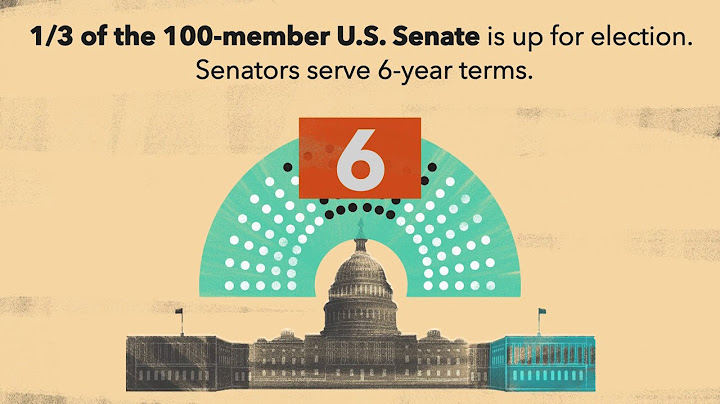
Every voting seat in the 435-member U.S. House is contested on the regular two-year cycle. Senators serve staggered six-year terms, so roughly one-third of Senate seats are regularly up each two years.
States may also elect governors, legislators and other officials, while counties, cities and school districts can hold local elections. The types of races on one person’s ballot depend on their state and address.
Why do midterms matter?
The composition of Congress affects which proposals receive hearings, which bills advance, oversight priorities and the Senate’s role in confirming presidential nominees. Changing House control does not automatically change Senate control, and neither chamber by itself writes all federal policy.
The president remains in office through the midterm election absent some other legal development. Midterms can change the balance of governmental authority without being a presidential election.
House elections versus Senate elections
House members represent geographically defined districts, and every House district chooses a representative in a regular election. A Senate candidate runs statewide, and each state has two senators. Because of staggered Senate terms, not all states have a regular Senate contest in each midterm.
A special election may fill a vacancy for an unexpired term. That makes some midterm ballots include an additional Senate election beyond the ordinary one-third cycle.
How midterms differ from primaries and presidential elections
A primary or party selection process helps decide which candidates advance to a later election. The general election decides the winner under applicable state and federal rules. A presidential election occurs every four years, with its own process for selecting the president.
For example, the 2026 general midterm election is November 3, while state primary elections took place on a range of earlier dates. The next regular presidential election follows the four-year presidential schedule, not the midterm calendar.
Are midterms always a referendum on a president?
Political commentators often interpret a midterm as a public judgment on an administration, but voters also consider local issues, the economy, candidate quality and state-specific conditions. It is therefore imprecise to assume all districts will vote the same way.
The most useful question for readers is which office is being filled, what that office can do, and which candidates are actually on their ballot.
Frequently asked questions
How often do midterms happen?
Every four years in the midpoint of a presidential term, within the broader two-year congressional election cycle.
Do people vote for president in the midterms?
Not in the regularly scheduled presidential election.
Why is only part of the Senate elected?
Senators serve staggered six-year terms.
Can a midterm change Congress?
Yes. The House and Senate membership can change based on election results.
Related guides
2026 US Midterm Elections: Dates, Races, Voting and Results — /topic/2026-midterm-elections/
Editorial note
This guide was prepared using sources reviewed through November 2, 2026. Election procedures, candidate listings and ballot status should be checked against the relevant state or local election office before use. No November 3 vote result or election winner is asserted.