Complete Buying Guide for Wooden Dog Cages
Learn how to choose the perfect wooden dog cage for your pet. Compare styles, sizes, wood types, and price points to find the best fit for your home.
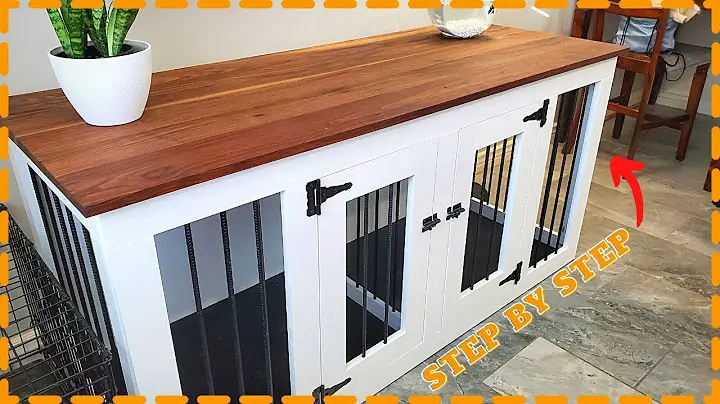
Choosing a wooden dog cage can add a touch of natural charm to your home while providing a safe, sturdy space for your pet. This guide explains what a wooden dog cage is, why it matters, and how to pick the right size, wood type, and construction quality for your dog’s needs.
What is a wooden dog cage?
A wooden dog cage, often called a wooden dog crate or wooden dog enclosure, is a pet containment unit made primarily from timber. Unlike plastic or metal crates, wooden cages use solid or plywood panels to create a durable, insulated environment. They are available in various styles—open‑air, fully enclosed, or with removable panels—allowing owners to choose the level of ventilation and privacy that suits their dog’s temperament. The use of wood also offers natural thermal regulation; it keeps cool in summer and retains warmth in winter, which is especially beneficial for breeds with thick coats or those living in extreme climates. Additionally, wooden cages can be finished with non‑toxic sealants or natural oils, ensuring that the material remains safe for pets that may chew or lick the walls. Overall, a wooden dog cage combines functional design with aesthetic appeal, making it a popular choice for pet owners who value both style and practicality.
Key factors to consider (size, wood type, durability)
Selecting the right wooden dog cage begins with assessing your dog’s size. Measure the dog’s length from nose to tail, height at the shoulder, and weight. A cage should be at least 12 inches longer than the dog’s length, 8 inches taller than the shoulder height, and wide enough to allow the dog to turn around comfortably. For small breeds, a 24x18x18 inch cage may suffice, while larger breeds may require dimensions of 48x36x36 inches or larger. Size miscalculations can lead to discomfort or escape attempts. Wood type is another critical decision. Hardwoods such as oak, maple, or walnut offer superior strength and resistance to scratches, making them ideal for aggressive chewers. Softwoods like pine or cedar are lighter and more affordable but may dent or splinter more easily. Plywood, especially marine‑grade plywood, provides a smooth, uniform surface that resists moisture and is easier to clean. The choice of wood should align with the dog’s chewing habits and the environment where the cage will be placed. Durability hinges on construction quality. Look for cages with reinforced corners, double‑layered panels, and secure hinges or latches. A cage that uses metal brackets or steel reinforcements in high‑stress areas will last longer than one that relies solely on glued wood. Additionally, consider the finish: a food‑grade sealant or natural oil protects the wood from moisture and chewing while keeping the surface non‑toxic. Properly finished wooden cages resist warping and maintain structural integrity over time.
Top styles and brands
When selecting a wooden dog cage, the first decision is the style that best fits your dog’s size and your home’s décor. The most common styles are the traditional rectangular crate, the open‑air loft, and the modular stackable unit. Rectangular crates, often made from hardwoods such as maple or oak, provide a secure, enclosed space that many dogs find comforting. Loft cages, which feature a higher roof and a removable top, allow for better ventilation and are ideal for breeds that enjoy a bit more headroom. Modular units, typically constructed from plywood or composite wood, can be assembled in various configurations, offering flexibility for multi‑dog households or changing space needs. In terms of brands, established manufacturers such as Petmate, Midwest Pet Products, and K&H Pet Products have long histories of producing durable wooden crates. Petmate’s “Wooden Dog Crate” line uses kiln‑dried hardwood with a smooth finish, while Midwest’s “Hardwood Dog Crate” offers a more rustic aesthetic with a protective sealant. K&H’s “Wooden Dog Crate” is engineered for easy assembly and includes a removable tray for cleaning. Each brand balances craftsmanship with safety features such as reinforced hinges and secure locking mechanisms. When evaluating these styles, consider the dog’s temperament, the crate’s intended use (e.g., travel, training, or permanent housing), and the level of maintenance you’re willing to perform. The right style will provide both comfort for your dog and durability for your investment.
Price range and value analysis
Wooden dog cages vary widely in price, reflecting differences in wood type, construction quality, and brand reputation. Entry‑level models, typically made from plywood or lower‑grade hardwoods, start around $50 and are suitable for small to medium dogs. Mid‑range crates, featuring kiln‑dried hardwoods like maple or cherry and reinforced joints, generally fall between $100 and $200. Premium options, often crafted from high‑grade hardwoods such as walnut or teak and finished with food‑safe sealants, can exceed $250. When assessing value, it is essential to weigh the cost against durability and safety. A higher upfront price often translates to a longer lifespan, reducing the need for replacement and the associated environmental impact. Additionally, many premium crates include features such as removable trays, adjustable dividers, and reinforced hinges, which add convenience and extend usability as a dog grows. For budget shoppers, a well‑constructed plywood crate can still provide adequate safety if it meets the American Veterinary Medical Association’s (AVMA) guidelines for crate dimensions and secure locking. Conversely, a low‑priced crate that uses softwood or lacks proper locking mechanisms may compromise safety and comfort. Ultimately, the best value is achieved by selecting a crate that matches your dog’s size, your usage needs, and your willingness to invest in long‑term quality.
Frequently asked questions
When choosing a wooden dog cage, many owners wonder whether the material will provide the safety and comfort their pet needs. A well‑constructed wooden crate offers a sturdy, breathable environment that can be customized to fit a variety of dog sizes. The first question is often about the type of wood: hardwoods such as oak, maple, or walnut are favored for their durability and resistance to warping. Softwoods like pine can be lighter and less expensive, but they may require more frequent maintenance to prevent splinters and damage from chewing. Second, owners ask about size. A crate that is too small can cause stress, while one that is too large may not provide the sense of enclosure many dogs prefer. Measure your dog’s length from nose to tail and add 2–4 inches for headroom, then choose a crate that accommodates that dimension. Third, the design matters. Some wooden crates feature removable doors for easy cleaning, while others have built‑in windows for ventilation. Fourth, safety is paramount; ensure that all joints are reinforced and that the crate is free of sharp edges. Finally, price varies with wood type, finish, and brand reputation. A high‑quality hardwood crate can range from $150 to $400, whereas a basic pine model may start around $80. By weighing these factors—wood type, size, design features, safety, and budget—pet owners can select a wooden dog cage that balances durability, comfort, and affordability.
