Wooden Dog Crates for Puppies: What You Need to Know
Explore the advantages and drawbacks of using a wooden crate for your puppy. Get expert advice on safety, comfort, and training.
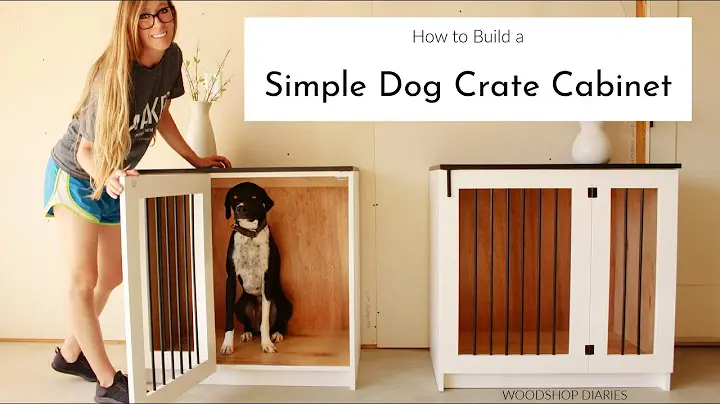
Wooden crates are a popular choice for puppy owners who want a sturdy, natural-looking enclosure. They can provide a safe, comfortable space for a young dog while supporting training goals. However, the material, construction, and design of a wooden crate can influence a puppy’s health and behavior. This article examines the benefits and potential risks of using a wooden crate for a puppy, offering practical guidance to help owners make an informed decision.
Benefits of wooden crates for puppies
Wooden crates offer several advantages for puppies that can positively impact their health and training. First, the natural, non-toxic finish of high-quality wood reduces the risk of chemical exposure that can occur with some plastic or metal crates. This is particularly important for puppies who may chew on crate components, as they are less likely to ingest harmful substances. Second, wood provides excellent insulation. A well-ventilated wooden crate helps regulate temperature, keeping a puppy cool in summer and warm in winter, which supports overall comfort and reduces stress. Third, the aesthetic appeal of wood can create a calm, homely environment that encourages a puppy to view the crate as a safe den rather than a punishment space. Finally, many wooden crates are designed with removable, washable bedding and smooth surfaces that are easy to clean, helping maintain hygiene and prevent the buildup of bacteria or parasites.
Potential risks and how to mitigate them
Despite its benefits, wooden crates present certain risks that owners should address to ensure puppy safety. One concern is the potential for splintering. Rough or unfinished edges can cause cuts or abrasions if a puppy pulls on the crate or if the crate is moved. To mitigate this, choose crates with rounded corners and sanded surfaces, and inspect the crate regularly for loose splinters. Another risk is the possibility of the crate being too large or too small. A crate that is too large can encourage a puppy to use one corner as a bathroom, while a crate that is too small can cause discomfort and anxiety. Measure the puppy’s length and height, then select a crate that allows the puppy to stand, turn, and lie down comfortably. Additionally, wooden crates may not be as sturdy as metal or plastic options when it comes to resisting forceful chewing. If a puppy is prone to chewing, reinforce the crate with a chew-resistant barrier or supervise the puppy to prevent damage. Finally, ensure proper ventilation by using crates with adequate airflow or by placing the crate in a well-ventilated area to prevent overheating and respiratory issues.
Size and ventilation guidelines
Choosing the right size for a wooden crate is essential for your puppy’s health and comfort. A crate that is too small can cause stress, hinder proper movement, and lead to urinary or fecal retention. The general rule is to allow the puppy to stand, turn around, and lie down comfortably. For most breeds, a crate that is 1.5 to 2 times the puppy’s height and 2 to 2.5 times the length of its body provides adequate space. For example, a 12‑inch‑tall, 18‑inch‑long puppy would benefit from a crate roughly 18‑20 inches tall and 24‑30 inches long. Ventilation is another critical factor. Wooden crates should have multiple openings or perforated panels to ensure airflow, especially in warm climates. Proper ventilation reduces the risk of heat stress and helps maintain a stable indoor temperature. If the crate is enclosed, consider adding a mesh panel or a removable door that can be opened during hot days. In cooler weather, a breathable fabric cover can keep the puppy warm without trapping excess heat. Finally, inspect the crate for sharp edges, splinters, or loose boards. A smooth finish and rounded corners prevent injury and encourage the puppy to use the crate willingly. Regularly check for wear and replace any damaged parts promptly. By following these size and ventilation guidelines, you create a safe, comfortable environment that supports healthy growth and positive crate training.
Training tips using a wooden crate
Crate training with a wooden crate can be a gentle, positive experience if approached correctly. Start by making the crate inviting: place a soft blanket, a familiar toy, and a small amount of fresh food inside. Leave the door open for the first few days so the puppy can explore without feeling confined. This helps associate the crate with safety rather than punishment. Once the puppy is comfortable, begin short, supervised sessions. Feed meals inside the crate and reward the puppy with praise or a treat after it enters. Gradually increase the duration of time the puppy spends inside, always ensuring it remains a positive space. Avoid using the crate as a form of punishment; this can create anxiety and hinder training progress. Use a consistent cue, such as “crate” or “kennel,” to signal the desired behavior. Pair the cue with a gentle command and a treat. Over time, the puppy will learn to self‑enter when called. If the puppy shows signs of distress—whining, pacing, or attempts to escape—reduce the time inside and reinforce calm behavior. Regularly monitor the crate’s condition. A well‑maintained wooden crate with smooth surfaces and adequate ventilation supports healthy sleep patterns and reduces the risk of injury. By combining these training strategies with a safe crate design, you foster a positive, stress‑free environment that promotes healthy development and reliable crate use.
Expert FAQs
Puppies are naturally curious and energetic, which makes crate selection a critical safety and training decision. Wooden crates, often chosen for their sturdiness and aesthetic appeal, can be a good fit if they meet specific safety and comfort criteria. The first question most owners ask is whether a wooden crate is safe for a puppy. A properly constructed wooden crate—built with smooth, rounded edges, no splinters, and a secure locking mechanism—provides a safe, enclosed space that prevents accidental escapes or injuries. It also offers a den-like environment that many puppies find comforting, helping to reduce anxiety during crate training. Another common concern is the crate’s ventilation. Wooden crates typically have multiple small ventilation holes or a mesh panel that allows fresh air to circulate while maintaining a secure enclosure. This design helps prevent overheating, which is especially important for small or short‑haired breeds that can overheat quickly. Owners also wonder about the crate’s durability. High‑quality hardwoods such as oak or maple are resistant to chewing and scratching, common behaviors in puppies. When the crate is sealed with a non‑toxic, pet‑safe finish, it can withstand the wear and tear of daily use for several years. Finally, many ask how to transition a puppy into a wooden crate. Gradual introduction, positive reinforcement, and a consistent routine are key. Place familiar bedding, a favorite toy, and a small amount of food inside to create a positive association. Over time, the puppy learns that the crate is a safe, cozy space rather than a punishment.
