Midterm Voting 2026: Registration, Ballots and Voting Options
Learn how midterm voting works in 2026, including registration checks, early voting and how to confirm your state election rules.
Midterm Voting 2026: Registration, Ballots and Voting Options
Updated November 2, 2026 | U.S. English | Pre-election editorial edition
Voting in the November 3, 2026 midterms depends on your state, registration status and chosen voting method. This practical guide covers the sequence voters should check: registration, ballot access, polling options, identification and reliable election-office instructions.
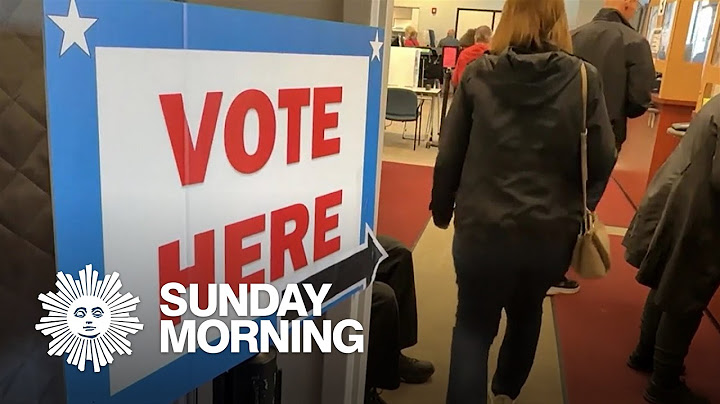
First, confirm your registration
Use your state’s official voter-registration lookup to check your current name, address and registration status. Registration deadlines vary widely and may already have passed by November 2; some states have late-registration options while others do not.
If you have moved recently, confirm whether your record reflects the correct address. A previous election’s confirmation is not a substitute for checking the current voter file. State election staff can explain whether a provisional ballot or other process applies to your situation.
Election Day, early voting and absentee voting
Election Day in-person voting usually requires going to the assigned polling place or to an officially designated vote center, depending on local rules. Early in-person voting is a different system with its own locations and dates. Absentee or mail voting has separate request, signature, return and receipt requirements.
Do not assume that you may hand a mailed ballot to any polling place, that all states offer the same early-voting period, or that an absentee ballot can always be postmarked on Election Day. Your state’s instructions govern. Some pre-election request deadlines have already expired.
Identification and accessibility
Voter ID requirements are different across jurisdictions. Some accept specific photo identification; some have alternative procedures; some require no document in common circumstances. Check official guidance rather than relying on a national list without state context.
Election officials can explain accessibility accommodations, language assistance where provided, curbside voting where authorized and procedures for a voter whose name is missing from a roster.
Prepare your ballot choices
Look at the official sample ballot for your address. Federal House districts, Senate races, governor races and local measures may all appear together. A sample ballot is also useful for identifying candidates with similar names and unfamiliar ballot questions.
Campaign websites offer perspectives, but administrative facts—registration, ballot listing, polling location, deadlines—should be checked with nonpartisan election offices.
What to do if you see conflicting information
Check the date of each notice and confirm the latest announcement on the state or county election office’s official channel. A screenshot may be from a primary, from another county, or from a different election year.
If you are challenged at a polling site or a machine is unavailable, ask an election worker about the applicable procedure and any provisional-ballot option rather than assuming you are unable to vote.
Frequently asked questions
Can I vote early on November 2?
That depends on your state; some early-voting periods have ended. Check official election information.
Do all states have the same ID rules?
No. Voter identification laws and alternatives vary.
Can I vote anywhere in my state?
Not necessarily. Confirm whether your jurisdiction uses assigned precincts or designated vote centers.
Related guides
2026 US Midterm Elections: Dates, Races, Voting and Results — /topic/2026-midterm-elections/
Editorial note
This guide was prepared using sources reviewed through November 2, 2026. Election procedures, candidate listings and ballot status should be checked against the relevant state or local election office before use. No November 3 vote result or election winner is asserted.