How to Choose a Backrooms Poster
Compare official Backrooms movie posters with fan-created wall art and learn how to check print size, image quality, and licensing.
How to Choose a Backrooms Poster
A Backrooms poster can mean several different things: official promotional artwork for the 2026 A24 movie, an independently designed tribute to the original yellow-room aesthetic, or a print based on community-created horror imagery. Choosing the right one starts with knowing which design you want and whether the seller has permission to reproduce it.
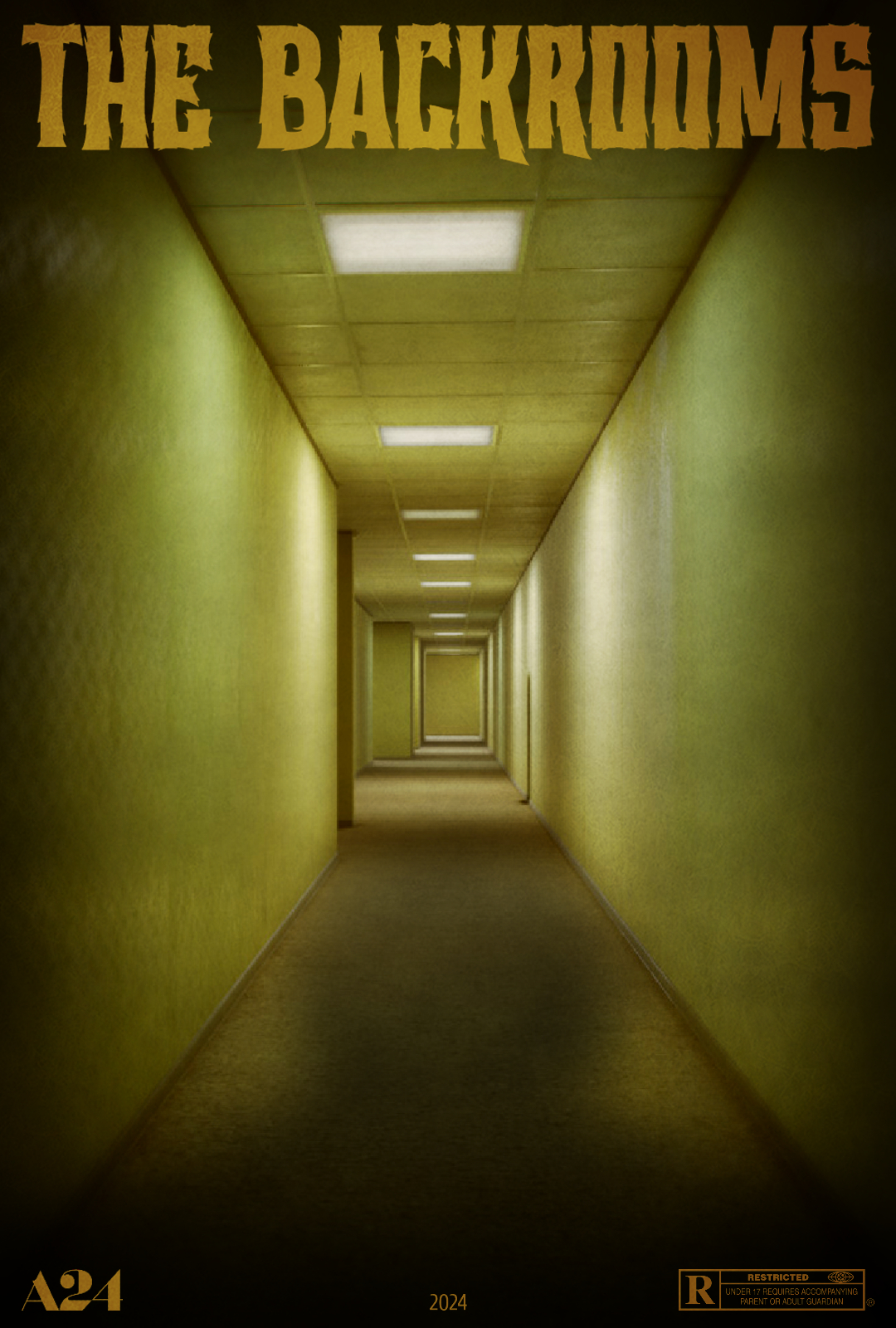
Movie artwork or fan-made liminal-space design?
A film poster usually uses the distributor's branding, title treatment, and approved promotional imagery. A fan illustration may instead emphasize empty corridors, fluorescent lights, or an unsettling doorway without depicting the movie's specific cast or title card.
Neither style is automatically better for a wall. A collector might want an official theatrical design, while someone decorating a gaming room might prefer original art inspired by a general liminal-space mood. The difference matters most when a listing makes claims about authenticity or licensing.
Choose the size before the image
Common frame proportions include 11 × 17 inches, 18 × 24 inches, and 24 × 36 inches, but not every design is prepared for all three. A small image enlarged too far can show distracting blur, compression blocks, or soft lettering. Check the listed dimensions and the original artwork's resolution rather than assuming a bigger print will look sharper.
Also consider where it will hang. A narrow hallway can suit a vertically oriented image, while a wide wall may accommodate a grouped arrangement. Measure the space and frame before placing an order; a standard label such as “large” is not a reliable measurement.
Print quality and color choices
The Backrooms look is built around difficult-to-print shades: pale yellow-green walls, dim gray ceilings, and small bright areas around fluorescent fixtures. Low-quality printing can crush those subtle differences into a flat yellow block.
Look for a clear close-up photo of the physical print, descriptions of the paper stock, and transparent return policies. Matte finishes often reduce glare from room lighting; glossy finishes may emphasize contrast but also create reflections. Neither automatically solves a low-resolution source file.
Permissions and authenticity
A seller's ability to display a preview does not itself prove the artwork is licensed. Be cautious of listings that claim to be “official” without identifying the distributor or rights holder. Likewise, a widely circulated internet image may still carry rights or attribution conditions.
An original fan design may be an appealing alternative, but describe it as fan art, not a certified film release. It is reasonable to ask the shop whether the image was created by its artist or reproduced with permission.
Display without overwhelming the room
The concept works best when the surroundings support it. A dark frame can echo the film's unsettling atmosphere; a simple white border creates breathing room around a busy print. Hang the poster where reflections will not wash out its deliberately subtle colors.
The strongest purchase decision is not the poster with the most dramatic product description. It is the one whose design, size, resolution, and licensing information all match what the buyer actually wants.
Frequently asked questions
Is every Backrooms poster official A24 merchandise?
No. The phrase also describes independent art and unofficial reproductions. A claim of official licensing should be supported by information from the distributor or rights holder.
What size works for a standard frame?
Many frames are sold in sizes such as 11 × 17, 18 × 24, and 24 × 36 inches. Verify the actual print measurements and aspect ratio before ordering; cropping can cut off titles or important imagery.