Cat Scratcher Beds: Scratching-and-Resting Options
Choose cat scratcher bed with practical size, comfort, safety and maintenance checks. Compare options and avoid common mistakes before buying.
Cat Scratcher Beds: Scratching-and-Resting Options
Quick answer. A cat scratcher bed combines a scratchable surface with a shape suitable for lounging. Bowl-shaped corrugated cardboard, broad flat pads and shallow benches all fit the category, but their comfort and scratching function differ. The first question is how your cat scratches—flat, angled or upright—followed by whether the product has enough stable resting area. A hybrid is useful when both functions match the cat's habits, not because every cat must sleep on a scratcher.
What is a hybrid scratcher bed?
Most examples are shaped cardboard surfaces designed to be clawed and then used as a resting place. Some have a concave dish that cradles a curled cat, while others are flat boards wide enough for a sprawl. A scratcher bed is intentionally consumable when made of cardboard, unlike an upholstered bed whose cover is meant to remain intact.
The hybrid concept is distinct from a sofa-shaped scratcher, which emphasizes a small couch silhouette. When comparing products, focus on usable scratching area and stability rather than the product name used by a marketplace listing.
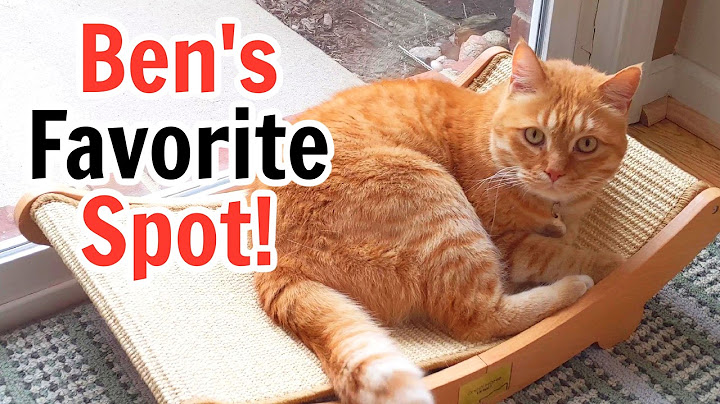
Bowl, flat and bench forms
A bowl supports a curled posture and may make a cat feel partly enclosed, but high edges can restrict a large cat or make access difficult. A broad flat board gives more full-body stretching room, while a shallow bench shape may raise the resting surface slightly. The best form depends on how your cat sleeps as well as where its claws normally contact a scratcher.
A model that is narrow but highly sculpted may look premium and still be uncomfortable. Check inside measurements and whether the outer walls bear weight without bending.
Texture and scratching posture
Corrugated cardboard is popular because it offers exposed edges for a horizontal scratch, but some cats prefer sisal, wood or carpet-like textures. Watch whether the cat pulls claws toward its body while crouched or reaches upright against a post. A hybrid scratcher bed is most likely to succeed for the former pattern.
If the cat is mainly a vertical scratcher, keep a sturdy tall post even after adding a lounging scratcher. One product need not satisfy every scratching preference. Offering multiple surfaces is often more useful than asking a cat to adapt to a single expensive design.
Fit, stability and placement
Measure the usable center, not decorative outer walls. A cat should be able to lie without the rim digging into its body, and the product should remain stable when the animal steps on the edge. A non-slip underlay may help on slick floors, provided it does not lift the scratcher dangerously.
Place the bed near a habitual rest spot or the furniture the cat has been scratching, but avoid walkways where a shallow cardboard product can be kicked or crushed. For multi-cat homes, several scratchers prevent competition and make it easier to observe individual preferences.
Dust, debris and reasonable maintenance
Cardboard wears by shedding flakes. That is normal, but large pieces, wet layers and exposed fasteners indicate the product needs attention. Keep it on a washable mat, sweep or vacuum surrounding debris and follow any insert-replacement instructions. Do not saturate a glued cardboard product to clean it. If a cat has dust sensitivity or repeatedly eats cardboard, consider a different supervised scratching material and seek veterinary advice if ingestion persists.
Replace a surface when it cannot support the animal safely, even if part of the scratching texture remains.
Encouraging use without force
Start by placing the scratcher bed close to where the cat already scratches or naps. A toy moved across the surface can invite investigation; a treat reward after voluntary clawing can strengthen the association. Some cats respond to catnip, but responses vary. Never drag the cat's paws across the corrugation. If the cat prefers sleeping beside it, that is fine—the scratching surface may still be serving its primary role.
Keep a comfortable traditional bed available rather than expecting cardboard to meet all resting needs.
How long does a scratcher bed last?
There is no reliable universal lifespan because the rate depends on the cardboard grade, number of cats, scratch intensity and room moisture. Inspect the product frequently for deep collapse, exposed glue blobs, loose hardware and large detachable pieces. Replace the insert or entire unit once the center is unstable or the wall can no longer hold the cat's weight.
Familiar scent is part of a scratcher's appeal, so introduce a replacement alongside the old one before removing the old unit if it is safe to do so.
Choosing a hybrid versus a sofa scratcher
A sofa-shaped scratcher often has a miniature back and arms, while a scratcher bed can be a simple flat or curved platform. The former may appeal aesthetically, but the latter sometimes offers more functional surface for a larger cat. Compare inner width, orientation, replacement cost and debris tolerance. If your real goal is preventing damage to upholstered furniture, pair whichever scratcher you choose with behavior-led placement and positive reinforcement.
Neither product guarantees that the cat will never scratch the human couch.
At-a-glance comparison
| Shape | Best for | Potential mismatch |
| Concave bowl | Curling and horizontal scratching | Big cat may feel cramped |
| Wide flat pad | Stretching and clawing | Less head support |
| Shallow bench | Some elevation and lounging | Frame or edge instability |
| Sofa-shaped scratcher | Couch silhouette and play | Decorative arms reduce usable area |
Before you decide: practical checklist
Observe the cat’s actual rest, jump or scratching habit instead of choosing by a styled photograph.
Confirm exact usable dimensions, mounting or frame stability, and the manufacturer’s stated limitations.
Check seams, loose parts, chewable components and whether all accessible surfaces can be cleaned.
Choose a location with safe access, a clear exit and enough space to inspect the product regularly.
Keep an alternative resting or scratching option available; do not force a cat to use the new item.
Frequently asked questions
Is a cat scratcher bed also a real bed?
For some cats yes, but it may not be as soft, washable or supportive as conventional bedding.
Do cats scratch while lying down?
Many scratch horizontal surfaces with a crouched posture; observe your cat's natural preference.
How much cardboard shedding is normal?
Some flakes are expected; replace the product if it collapses, exposes fasteners or releases large chewable pieces.
Can a large cat use a scratcher bed?
Yes if the interior dimensions and structure are adequate; do not judge capacity by exterior photos.
Is it better than a sofa cat scratcher?
Neither is universally better. Compare scratch orientation, usable sleeping area and stability for your particular cat.
Related guides
Sofa Cat Scratcher — Choosing a Couch-Shaped Scratching Pad
Cat Sofa Buying Guide — Mini Couches, Sizing and Comfort
How to Stop Your Cat From Scratching the Couch
Editorial notes and limitations
Scope of this guide: Hybrid scratch-and-lounge beds such as concave cardboard pieces; fit, dust, replacement and stability; not necessarily sofa-shaped. This article intentionally does not try to become a substitute for the separate guides covering sofa-shaped scratchers, standard vertical scratching posts, upholstery protection products. Recommendations are based on product features and cat-care principles, not claimed first-hand testing, paid rankings, or an assumption that every cat has the same preferences. Check current product instructions and consult a veterinarian for persistent behavior changes, suspected pain or urgent health symptoms.