Sofa Cat Scratcher: Choosing a Couch-Shaped Scratching Pad
Choose sofa cat scratcher with practical size, comfort, safety and maintenance checks. Compare options and avoid common mistakes before buying.
Sofa Cat Scratcher: Choosing a Couch-Shaped Scratching Pad
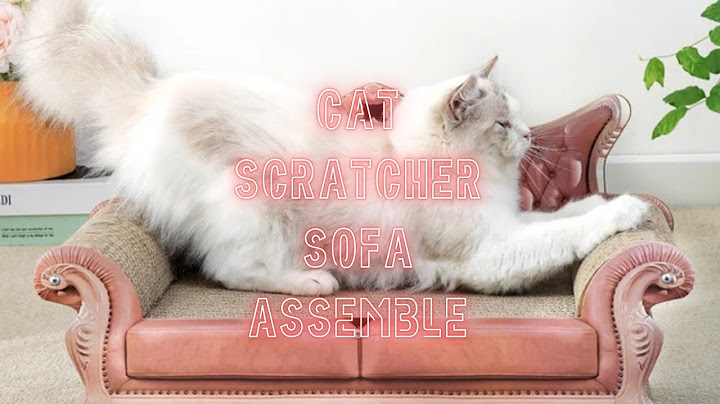
Quick answer. A sofa cat scratcher is a small, couch-shaped object that gives a cat a place to claw, stretch and often lounge. Unlike an upholstered cat sofa, it may be built from corrugated cardboard or other scratch-friendly surfaces intentionally designed to wear out. Its main job is to offer an appealing alternative to human furniture; its sofa silhouette is secondary. Select it by scratch surface, stability, usable length and how the cat actually moves, not by appearance alone.
What makes a scratcher sofa-shaped?
Common designs have a slightly raised back, arms or curved sides that resemble a couch, often with replaceable corrugated inserts. Some are long enough for an adult cat to lie across, while miniature novelty versions offer little useful scratching space. Look at the functional area: can the cat rake its claws across a stable surface and still stretch comfortably?
A decorative cardboard back may look substantial in photos but contribute no scratching room. Check whether components are glued, slotted or fastened together and whether a loose piece could be swallowed.
Match scratching surface to preference
Cardboard exposes edges that many cats enjoy raking horizontally. Sisal and wood feel different and usually appear in less sofa-like designs. If your cat scratches the seat cushion in a crouched posture, a horizontal cardboard couch may fit better than a tall post. If the target is a vertical arm, the couch-shaped pad alone may not offer the necessary upright reach. Try to match both texture and orientation.
An existing favorite scratcher gives useful evidence; buying an elaborate unfamiliar texture may not solve a couch-scratching problem.
Dimensions, useful area and stability
Check the flat interior width and length, not just the outer profile. A larger cat may need enough room to turn without balancing on cardboard arms; a kitten still needs a secure base that cannot skid. Put the scratcher on a non-slip floor mat if its underside moves on tile, and keep it away from stairs. Press on the edges to check whether they fold under normal paw force.
Replace a model whose structural walls have collapsed rather than propping it against a piece of furniture where it can become unstable.
Place it where the cat already scratches
A good scratcher in the wrong room can remain unused. Put the sofa-shaped scratcher close to the human couch or sleeping area where scratching usually occurs. Allow the cat to investigate voluntarily and offer small treats for interacting with it. Some cats respond to catnip or play around the surface; others need only time and consistent access. Avoid picking up the cat and dragging paws across the cardboard.
Once the cat uses it reliably, you may shift it gradually, but moving it too far can bring the cat back to the original sofa arm.
Cardboard dust and wear management
Cardboard scratchers shed small flakes as they do their job. Place them on an easy-to-clean mat and vacuum debris without using strong fragrances. Check for loose tape, staples or other hard fasteners that may be exposed as the cardboard wears. If there is a replaceable central insert, confirm the replacement dimensions before buying.
Dust alone is not proof of poor quality, but a product that collapses rapidly or sheds large loose components may need replacement. Keep the surface dry; soaked cardboard can lose strength and become difficult to sanitize.
Lounging comfort is not the same as scratching function
Some cats nap on corrugated surfaces because the contour supports a curled posture; others prefer a soft cushion and only visit cardboard for clawing. A cardboard scratcher is therefore not a universal replacement for a washable pet bed. If the cat likes both activities, a broad, gently curved model may serve dual purposes.
For a cat that needs a soft, easy-entry rest spot, choose bedding separately rather than assuming a rigid scratcher couch meets that need. The cat scratcher bed guide covers non-sofa-shaped hybrid products.
When the cat still scratches human furniture
First verify the alternative is in the correct location and oriented for the cat's natural stretch. Add a stable vertical post if the scratches run high up an arm. Temporarily cover the problem upholstery with a compatible protector and reward every use of the intended surface. Keep multiple choices if the cat alternates between horizontal and vertical scratching.
Do not punish or declaw to protect a couch; a gradual behavior plan with appropriate scratching options is more humane and useful than relying on the cardboard furniture shape itself.
Who should skip this design?
A cat that eats cardboard or tears off large chunks may require a different supervised scratching surface. A very large cat may overwhelm a small novelty model. If the household needs a scratcher that can be thoroughly washed, disposable cardboard is unlikely to be the most practical choice. Compare functional dimensions, replaceable inserts and debris tolerance before buying.
Good design is measured by safe, repeated use, not by how closely the scratcher resembles an expensive living-room sofa.
At-a-glance comparison
| Construction | Useful strength | Watch for |
| Wide flat cardboard | Horizontal clawing and naps | Quick collapse when too thin |
| Curved lounge insert | Curling and surface contact | Small interior for big cats |
| Tall decorative back | Sofa appearance | May not support upright stretch |
| Replaceable center | Lower ongoing waste | Hard-to-find replacement size |
Before you decide: practical checklist
Observe the cat’s actual rest, jump or scratching habit instead of choosing by a styled photograph.
Confirm exact usable dimensions, mounting or frame stability, and the manufacturer’s stated limitations.
Check seams, loose parts, chewable components and whether all accessible surfaces can be cleaned.
Choose a location with safe access, a clear exit and enough space to inspect the product regularly.
Keep an alternative resting or scratching option available; do not force a cat to use the new item.
Frequently asked questions
Will a sofa-shaped cat scratcher save my couch?
It may help by providing an attractive alternative, but placement, stability and positive reinforcement matter as much as its design.
Can cats sleep on cardboard scratchers?
Many do, although a cardboard scratcher is not a substitute for comfortable washable bedding for every cat.
Where should I put the scratcher sofa?
Start close to the human sofa or another location where the cat already scratches or wakes from naps.
How often should I replace it?
Replace when the structure collapses, fasteners become exposed, or loose pieces create a safety risk; wear rates vary.
Is it different from a cat scratcher bed?
A scratcher sofa emphasizes the miniature couch shape; other hybrid scratcher beds can be flat, bowl-shaped or bench-like.
Related guides
Cat Scratcher Beds — Scratching-and-Resting Options
How to Stop Your Cat From Scratching the Couch
Cat Sofa Buying Guide — Mini Couches, Sizing and Comfort
Editorial notes and limitations
Scope of this guide: Sofa or couch-shaped scratching lounges and alternatives; orientation, cardboard/sisal texture, footprint and use with real sofa. This article intentionally does not try to become a substitute for the separate guides covering fabric covers and adhesive guards for human couch; comprehensive cat scratcher types; combination mattress-style scratcher beds. Recommendations are based on product features and cat-care principles, not claimed first-hand testing, paid rankings, or an assumption that every cat has the same preferences. Check current product instructions and consult a veterinarian for persistent behavior changes, suspected pain or urgent health symptoms.