How to Stop Your Cat From Scratching the Couch
A practical guide to how to stop cat from scratching couch: fabric and furniture tradeoffs, humane scratch management, protection options and realistic car
How to Stop Your Cat From Scratching the Couch
Quick answer. To stop a cat from damaging the couch, do not try to stop scratching itself. Cats scratch to stretch, maintain claws and leave scent or visual marks. The practical goal is to put a more appealing, stable surface where the cat already wants to scratch, reward its use and temporarily protect vulnerable upholstery. This humane approach is more sustainable than shouting, spraying water or relying on a single deterrent. Sudden changes in behavior deserve attention to possible stress or health problems.
Understand why the couch attracts scratching
A prominent sofa arm is often sturdy, textured and conveniently located along a cat's routine path. Some cats scratch immediately after waking; others do it during play or social interactions. Watch the cat's posture: a cat reaching upward wants a different scratching experience from one raking a horizontal cushion. Notice the time of day, the room and which fabric attracts repeated contact.
Scratching is not spite or a sign the cat is deliberately disobeying. Understanding the reward the couch provides helps you offer an alternative with the right texture, orientation and position.
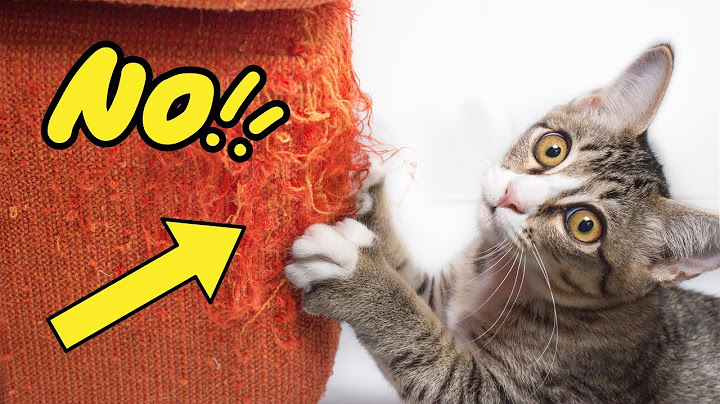
Place the alternative at the existing target
Start with a sturdy scratcher directly next to the exact arm or corner the cat favors. A tall post should allow a complete upright stretch and should not sway when leaned upon; a horizontal board should have a non-slip underside. If the cat likes cardboard, do not assume a sisal post will automatically be more appealing. Provide at least one vertical and one horizontal choice during the initial observation period.
In a multi-cat home, place several scratchers in different zones so one cat cannot guard all of them. Moving a new post to a distant laundry room usually makes training harder.
Reward the behavior you want
Keep small treats or a favorite toy nearby. The moment the cat independently places paws on the scratcher, offer a calm reward. A wand toy can guide movement across the desired texture, but do not force paws onto the surface. Repeat short positive interactions, especially after naps when scratching often occurs. Some cats investigate catnip or silvervine, while others show little interest; neither is required.
Reward consistency matters more than creating a loud celebration. If the cat returns to the couch, redirect calmly to the scratcher rather than punishing the animal for normal behavior.
Protect the couch while habits change
Cover a favored arm with a washable protective layer or a compatible commercial furniture shield while leaving the alternative scratcher immediately beside it. If using an adhesive product, test compatibility with the upholstery before applying it broadly and monitor for peeling pieces. Avoid homemade irritant sprays or strong essential oils, which can be unsafe around cats.
Use ordinary household cleaning methods suited to the fabric and remove dangling threads that could snag claws. A protector is a temporary management tool, not a reason to take away scratching surfaces after one successful afternoon.
Make the environment more interesting
A cat with limited opportunities to climb, play and explore may return repeatedly to the most engaging object in the room. Schedule brief interactive play, offer puzzle feeders or treat-search opportunities, and provide resting spots with different views. Keep the scratching area accessible even when furniture gets rearranged. Cats may favor locations near windows, sleep sites and room entrances, so the best scratcher placement is often in plain sight.
For homes with several cats, reduce tension by distributing resources and avoid forcing them to share a single favorite post.
Choose the right texture and orientation
Observe whether the cat grabs a loose weave, digs into cardboard, or stretches against a vertical edge. Test cardboard, sturdy sisal, wood or other purpose-made cat-safe surfaces rather than buying many nearly identical posts. Stabilize any tall freestanding unit and replace pieces with exposed staples or severe instability. Size is critical: a post that tips or is too short can drive a cat back to the couch.
Cats differ in texture preference, and that preference may change with age. The best alternative is the one your cat actually uses repeatedly, not necessarily the most expensive model.
What not to do
Do not hit, yell at or frighten a cat when it scratches. Punishment can add fear without teaching a replacement action. Declawing is not a routine furniture-protection solution; veterinary associations oppose elective declawing and emphasize appropriate scratching outlets. Avoid dragging a cat's paws across a scratcher, which can create aversion.
Do not remove an established favorite scratcher simply because it looks worn; familiar scent and texture may be part of its appeal. Instead replace unsafe parts and introduce another similar scratcher alongside it before retiring the old one.
When more help is needed
If scratching suddenly becomes intense, appears with urine marking, hiding, aggression or other changes, discuss the behavior with a veterinarian. Pain, anxiety, household conflict or environmental change can influence patterns. A veterinarian or qualified feline behavior professional can help design an individualized plan when ordinary placement and rewards do not work. Expect gradual improvement rather than a guaranteed one-week cure.
Track which scratcher the cat uses, how often the couch is targeted and whether the new habit persists across different times of day.
At-a-glance comparison
| What you observe | First adjustment | Why |
| Vertical arm scratches | Tall stable post beside arm | Matches upright stretch |
| Seat-edge raking | Horizontal scratch pad | Matches low posture |
| Scratching after naps | Place scratcher near bed | Captures routine trigger |
| Multiple cats blocking access | Add distributed scratchers | Reduces resource conflict |
| Sudden new scratching | Discuss with veterinarian | Rules out stress or health factors |
Before you decide: practical checklist
Observe the cat’s actual rest, jump or scratching habit instead of choosing by a styled photograph.
Confirm exact usable dimensions, mounting or frame stability, and the manufacturer’s stated limitations.
Check seams, loose parts, chewable components and whether all accessible surfaces can be cleaned.
Choose a location with safe access, a clear exit and enough space to inspect the product regularly.
Keep an alternative resting or scratching option available; do not force a cat to use the new item.
Frequently asked questions
Why does my cat scratch the sofa?
Scratching supports stretching, claw maintenance and communication; sofa texture and placement may make it an attractive target.
Do citrus sprays stop cat scratching?
Avoid relying on fragrances or homemade essential-oil products, which may irritate or harm cats; use scratchers and safe furniture protection instead.
Should I punish my cat when I see scratching?
No. Reward desired scratching and change the environment; punishment may create fear without teaching the cat an alternative.
Where should I put a scratching post?
Directly next to the scratched couch area at first, with an orientation and texture your cat already prefers.
What if the cat keeps scratching after training?
Review stability, height, placement and home stressors. A veterinarian or behavior professional can help if the problem persists or changes suddenly.
Related guides
Sofa Cat Scratcher — Choosing a Couch-Shaped Scratching Pad
Couch Guards for Cats — Compare Covers and Scratch Shields
Cat-Proof Couch — Practical Sofa Materials and Selection
Editorial notes and limitations
Scope of this guide: Behavior-led humane plan to redirect natural scratching and set up appealing alternative surfaces without punishment or declawing. This article intentionally does not try to become a substitute for the separate guides covering product shopping ranking for guards or cat scratcher beds; upholstered sofa comparison. Recommendations are based on product features and cat-care principles, not claimed first-hand testing, paid rankings, or an assumption that every cat has the same preferences. Check current product instructions and consult a veterinarian for persistent behavior changes, suspected pain or urgent health symptoms.