Cherokee Food: Ingredients and Traditional Foodways
Explore Cherokee foods, historical ingredients, regional seasons and living food traditions, with context from Cherokee-authored resources.
Cherokee Food: Ingredients and Traditional Foodways
Cherokee food traditions reflect southeastern homelands, farming, gathering, fishing, hunting, migration, and family change over time. Contemporary Cherokee households also eat modern foods, just like other communities. A useful guide identifies dishes that Cherokee sources actually discuss and avoids confusing a modern pan-Indian festival food with a universal Cherokee tradition.
Ingredients and food systems over time
Corn and beans have long been important in Cherokee foodways, alongside squash, regional greens, nuts, fish, game, and gathered plants. Farming, preservation, seasonal knowledge, and cooking methods changed with trade and forced removal, and new ingredients entered household diets across generations.
A food history should recognize that survival and adaptation are part of culture, not evidence that a community stopped being Cherokee. A food can have a place in today's family gatherings even if its particular preparation has changed.
Examples discussed by Cherokee Nation sources
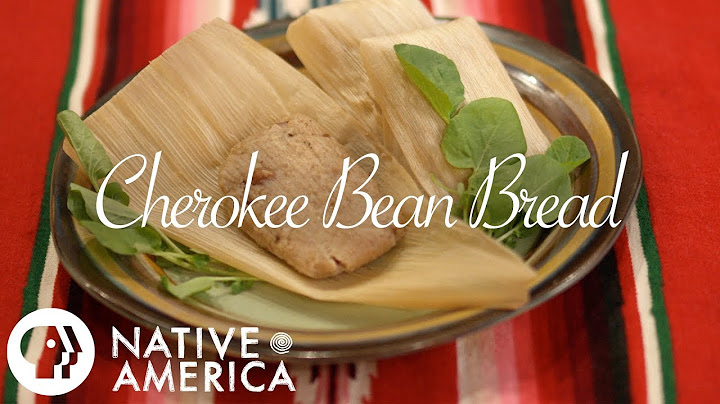
Cherokee Nation's public cultural guidance names foods such as bean bread, brown beans, wild onions with eggs, fried fish, grape dumplings, and kanutsi among favorites enjoyed by Cherokee families. These examples are attributed to Cherokee Nation material rather than presented as a fixed menu for every Cherokee household. Ingredients, occasions, and preparation styles can differ across families and across Cherokee governments.
The same Cherokee Nation resource notes that fry bread and Indian tacos, though widely enjoyed by many, are not considered original traditional Cherokee foods. That distinction is worth preserving when online recipe roundups mix dishes from many nations.
Bean bread and the importance of context
Bean bread is a familiar example in discussions of Cherokee food culture, but a published preparation should be attributed to its source. Cornmeal texture, bean varieties, wrapping, and cooking methods can vary. If publishing a modern home adaptation, label it as an adaptation rather than claiming to reproduce a specific ceremonial or family recipe.
Readers seeking exact quantities should use a recipe provided publicly by a Cherokee cook or Cherokee cultural organization and credit its author clearly.
Wild foods and safe identification
Wild onions, greens, nuts, and other gathered foods depend on ecological knowledge and careful identification. Some wild plants have toxic look-alikes, and dietary preparation may require skills that cannot be conveyed safely in a short general article. Do not encourage inexperienced readers to forage simply because a plant appears in a cultural history.
For home cooking, buy safely identified ingredients from reputable sources, and avoid presenting raw or inadequately processed wild foods as universally edible.
Modern Cherokee kitchens
Families may preserve food knowledge through gatherings, cookbooks, school programs, and community events, while also adapting to contemporary schedules and diets. The meaningful question is not whether a meal looks ancient, but how Cherokee people describe the dish, its history, and its place in their lives.
Readers interested in a broader comparison of regional Indigenous foodways can use the companion overview, while a separate general recipe guide provides explicitly labeled modern home adaptations.
Frequently asked questions
What traditional foods does Cherokee Nation identify?
Its cultural resources mention bean bread, wild onions with eggs, brown beans, fish, grape dumplings, and kanutsi, among others.
Is fry bread an original Cherokee food?
Cherokee Nation distinguishes fry bread from foods it regards as original traditional Cherokee fare.
Did Cherokee diets change over time?
Yes. Agriculture, trade, removal, new ingredients, and family circumstances all influenced foodways.
Can I call any corn-and-bean dish Cherokee?
No. A recipe needs specific, reliable attribution before it should be labeled a Cherokee traditional dish.
Related reading
Explore these focused guides for the next step in your research: