Native American Foods: Ingredients, History and Foodways
Explore Indigenous food traditions across regions, staple ingredients, living foodways, and why different Native nations have distinct culinary histories.
Native American Foods: Ingredients, History and Foodways
Native American foods are not a single national menu. Distinct Indigenous foodways grew from the land, waters, agriculture, trade, seasons, and cultural knowledge of many communities. Corn, beans, squash, wild rice, salmon, bison, berries, and other ingredients may appear in different regions, but a dish should be described in relation to its actual place and people rather than labeled universally 'Native American.'
Why regional foodways matter
In the Southwest, corn and other crops have long been cultivated through sophisticated local agricultural systems; in the Great Lakes, wild rice holds specific ecological and cultural importance for some nations; in the Pacific Northwest, salmon links food practices with rivers, fisheries, and stewardship. Plains communities have diverse histories involving bison, other game, and gathered foods. The existence of one ingredient in several places does not mean the recipes or meanings are the same.
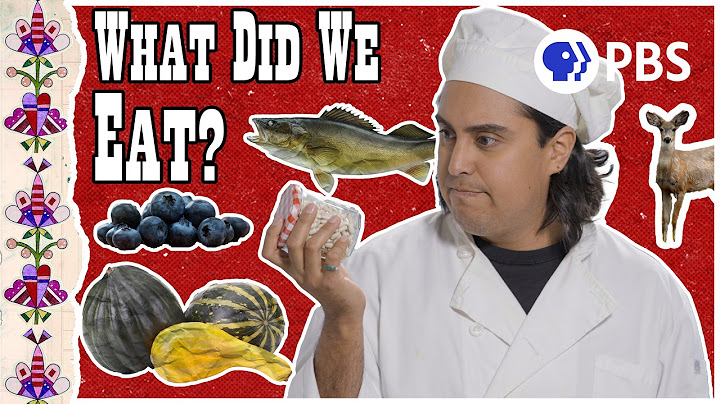
A regional description is more accurate than a list of 'ten foods every Native American ate.' Local conditions, seasonal availability, trade, and individual community traditions are essential context.
The Three Sisters and other cultivated foods
Corn, beans, and squash are often discussed as the Three Sisters, a companion-planting practice associated with many but not all Indigenous agricultural traditions. In suitable growing conditions, corn provides a structure for climbing beans, beans can contribute nitrogen through their relationship with soil bacteria, and squash leaves can help shade the soil. Actual planting methods and varieties vary across regions.
Beans and corn are also incorporated into soups, breads, and stews. Naming a technique is a beginning, not proof that every present-day meal using those ingredients reproduces a specific historic recipe.
Foods from rivers, forests, and coasts
Fishing, shellfish gathering, hunting, and plant harvesting remain important to many communities, with public discussions often connecting food to treaty rights and environmental policy. Salmon fishing is a significant issue for several Pacific Northwest nations; wild rice harvesting has strong connections to Anishinaabe communities; coastal food practices also differ between Alaska Native and other coastal peoples.
Some foods have ceremonial or family meanings that are not described publicly. A responsible food article concentrates on recipes and information that a community has chosen to share.
Contemporary Indigenous kitchens and food sovereignty
Today's Native chefs combine inherited knowledge, local agriculture, new techniques, and personal creativity. Food sovereignty describes a community's ability to shape its food systems, including access to land, traditional ingredients, markets, fisheries, and the right to make decisions about production. The term has practical implications for health, farming, and economic development, not merely restaurant trends.
Readers can support Native-owned restaurants, seed projects, farmers, and food education programs. Look for the chef's own description of what is traditional, adapted, or entirely new.
How to read a Native food recipe accurately
Check whether the source attributes a recipe to a particular nation, region, family, or contemporary chef. A modern cornbread or vegetable soup can use Indigenous-origin crops without becoming an authenticated ceremonial dish. Recipes should give standard quantities, food safety precautions, and a description of substitutions, but cultural labels still depend on verifiable provenance.
For cooking instructions rather than an overview of ingredients and food traditions, use the dedicated recipe guide.
Frequently asked questions
What are some Native American foods?
Examples vary by nation and region and include corn, beans, squash, wild rice, salmon, game, and many locally gathered plants.
Are all Native American meals the same?
No. Foodways depend on geography, community, season, history, and individual practice.
What are the Three Sisters?
Corn, beans, and squash are a well-known Indigenous companion-planting grouping, though methods vary among communities.
What is Indigenous food sovereignty?
It concerns Native communities’ control over food systems, traditional resources, and the decisions that affect them.
Related reading
Explore these focused guides for the next step in your research:
Native Peoples Today: Nations, Communities and Sovereignty