Chinese Hamster Care: Housing, Diet and Behavior
Learn how Chinese hamsters differ from dwarf and Syrian hamsters, plus gentle handling, spacious housing, diet, and enrichment.
Chinese Hamster Care: Housing, Diet and Behavior
A Chinese hamster is a distinct species of pet hamster with an unusually long-looking tail for a hamster, a slim body, and agile climbing behavior. It is sometimes sold under the label “Chinese dwarf hamster,” but it is not one of the true Phodopus dwarf hamsters such as the Roborovski. Good care starts with recognizing those differences without assuming that a more slender animal needs less space.
Chinese hamster appearance and identity
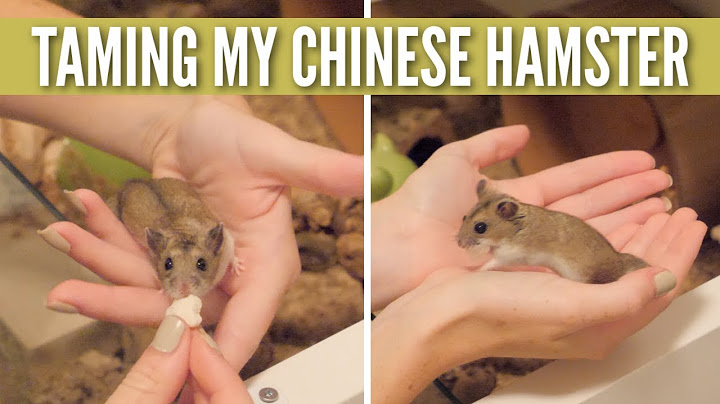
Chinese hamsters typically have a narrow body, a visible tail that is longer relative to body size than in Syrians or Roborovskis, and brownish fur with a darker stripe in common color forms. Their ability to climb and squeeze through openings makes enclosure security especially important. Photos online may confuse Chinese hamsters with mice, while pet-store signs sometimes lump several unrelated hamster types into one “dwarf” category. If species identity is uncertain, consult a knowledgeable exotic-pet professional rather than guessing.
Why Chinese hamsters should live alone
Chinese hamsters are naturally solitary and can be territorial. Unlike social pets that require a companion, they do not need a cage mate to stay happy. Putting two together for perceived friendship can cause chasing, injury, and chronic stress. Introductions are not a routine bonding activity; provide an individually equipped home for each animal. A hamster kept alone can still have a rich life through deep bedding, food searches, tunnels, and predictable interactions with its caregiver.
Choose a roomy, escape-resistant enclosure
A continuous footprint around 100 by 50 centimeters or larger is a useful minimum starting point in established care guidance, and more room is welcome. A secured, ventilated enclosure with narrow gaps prevents escapes. It must also have height for deep bedding, a correctly sized upright wheel, hides, and safe furnishing placement. Tall shelving and tube mazes do not replace uninterrupted floor space, and steep exposed drops create injury risks.
The bedding should permit real burrow construction rather than only covering the plastic tray. Offer a deeper area that can hold tunnels, with soft, low-dust paper-based or other appropriate hamster bedding. Use heavy structures on secure platforms or the cage floor before piling bedding around them. Add multi-chamber hiding places, cover along travel routes, and nesting material that cannot tangle around limbs. Cotton-fluff products and strongly scented litter are poor choices.
Wheel, sand, and enrichment basics
Provide a solid upright wheel large enough for the hamster to run without arching its back. Do not rely on a saucer alone, and avoid runged wheels that can trap feet. A spacious sand dish with clean, hamster-safe sand gives another texture for grooming and exploring; skip dusty powders and fragranced material. Secure cardboard tubes, cork, safe wooden chews, and an occasional foraging puzzle can make daily movement more interesting.
Chinese hamsters may be agile, but climbing ability is not a reason to build a tall cage with unprotected drops. Keep platforms low and stable. Avoid exercise balls, which prevent the hamster from choosing hiding places and can introduce ventilation, stress, and collision concerns. A carefully supervised play area with hides is a better option after the hamster is comfortable with its owner.
Feeding and a consistent daily routine
Feed a nutritionally complete hamster mixture suitable for an omnivorous small rodent and introduce fresh additions gradually. A measured portion of the dry ration can be scattered through the enclosure to encourage natural foraging. A hamster storing food is not automatically overeating: inspect stashes for perishable pieces rather than removing every stored seed. Keep water available around the clock and check bottle function daily.
Respect the hamster's sleeping period. Observe during its natural evening activity, speak softly, and let it approach a hand before progressing to gentle cupping over a low surface. Some Chinese hamsters become quite confident; others stay cautious. Reaching from above or lifting a sleeping hamster may provoke defensive biting, even in an otherwise calm animal.
Signs a veterinarian should assess
A routine check with an exotic-mammal veterinarian soon after adoption creates a useful baseline. Seek advice for diarrhea, rapid weight change, breathing difficulty, wounds, abnormal gait, persistent scratching, or reduced drinking. A hamster that suddenly stops eating, becomes hunched, or seems unusually inactive during its normal active time needs attention rather than a new toy or a diet experiment. Avoid trying human medicines or unverified home remedies.
Common setup mistakes
The biggest mistake is treating “small hamster” as synonymous with “tiny cage.” Other frequent problems include loose wire spacing, a wheel that bends the back, not enough digging depth, a single exposed sleeping spot, and placing the cage in direct sun or a draft. A well-furnished enclosure can look modest from the outside while offering much more usable hamster territory than a colorful plastic tower.
Frequently asked questions
Is a Chinese hamster a dwarf hamster?
It is often called one in shops, but it is a different genus from the true dwarf hamsters commonly sold as Russian or Roborovski hamsters.
Do Chinese hamsters need to live in pairs?
No. Individual housing is the safer choice because they can be territorial and may fight with other hamsters.
Can Chinese hamsters climb?
They can be agile climbers. Their habitat still needs low, stable furnishings and protection against falls or escape.
What wheel does a Chinese hamster need?
Choose a solid, appropriately sized wheel that permits an uncurved running posture. Judge the fit by the hamster's body, not an arbitrary marketing label.
Are Chinese hamsters good for beginners?
They can be rewarding pets for patient caregivers willing to provide a large secure enclosure and respect an animal that may not enjoy frequent handling.
Related hamster guides
Syrian Hamster Cage: A Practical Housing Guide
Hamster Bedding: What Is Safe for Burrowing?