Coton de Tulear: Breed Traits, Grooming and Temperament
Coton de Tulear: Breed Traits, Grooming and Temperament. Discover practical facts, risks, and care considerations before you decide what to do next.
Coton de Tulear: Breed Traits, Grooming and Temperament
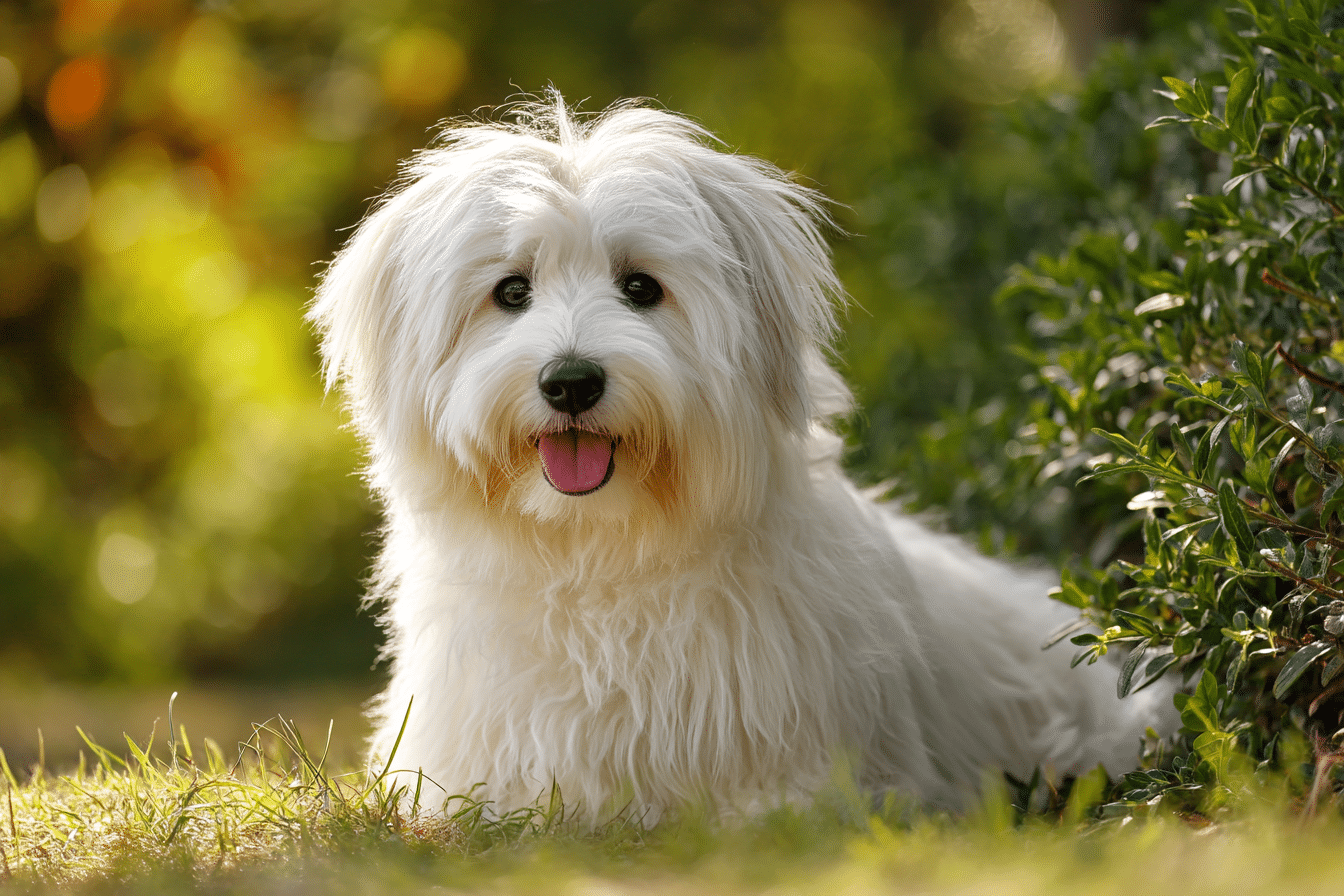
The Coton de Tulear is a small companion breed with a soft, cottony coat and an often playful, people-focused manner. Its appealing appearance comes with significant brushing and grooming needs. An easygoing expression does not mean the dog will be content without interaction or training.
What the context tells you
The coat can mat close to the skin, especially in the armpits, around ears, and under a collar. Daily checks and gentle combing are easier than dealing with tight mats. Regular bathing requires thorough drying and brushing rather than just rinsing the surface.
Practical steps and everyday care
Introduce grooming tools, visitors, novel noises, and brief alone time through calm positive experiences. Support joint and dental health with appropriate activity and veterinary visits. A consistent house-training routine matters as much for toy breeds as for larger dogs.
A realistic home-life fit
Breed descriptions describe tendencies, not guarantees. Meet the individual dog, ask what it has already experienced, and consider the household's activity level, training time, noise limits, grooming budget, and other pets. Daily enrichment matters more than matching a breed to an idealized photograph. Responsible acquisition also includes a veterinary plan, identification, humane training, and thoughtful arrangements for travel or changes in family routine.
A real-world example
A soft coat can look smooth on the surface while tight mats form behind the ears or beneath a harness. Feeling through the coat with a comb helps identify problem areas early. Grooming sessions should remain comfortable and short enough for the dog to cooperate. Persistent skin redness under mats should be assessed, not hidden by a fresh haircut.
Health, behavior, and realistic expectations
Ask about individual temperament, socialization, and responsible health screening. A dog that dislikes long periods alone may need gradual training and a realistic daily schedule, not more toys as a substitute for human attention.
A quick decision checklist
Compare the individual dog’s temperament and needs with your household routine.
Focus on coat maintenance, socialization and grooming commitment.
Plan exercise, training, grooming, health screening, and a safe daily routine.
Seek qualified veterinary, extension, or species-specialist guidance before using medication or making major changes.
Frequently asked questions
Is this breed right for first-time owners?
Possibly, but only when the dog's actual temperament and exercise, grooming, and training requirements fit the home. A rescue or responsible breeder can help assess the individual rather than promising that every member of the breed behaves alike.
What should I ask before adopting?
Ask about temperament, health screening, adult grooming, enrichment, the dog’s response to handling, and the support available after adoption. A good match matters more than an appealing breed label.
Related reading
Reliable resources for further checking
Editorial status: draft. Check current professional guidance and local rules before publication; urgent symptoms require appropriate veterinary help.
