Miniature Poodle: Temperament, Training and Grooming
Miniature Poodle: Temperament, Training and Grooming. Discover practical facts, risks, and care considerations before you decide what to do next.
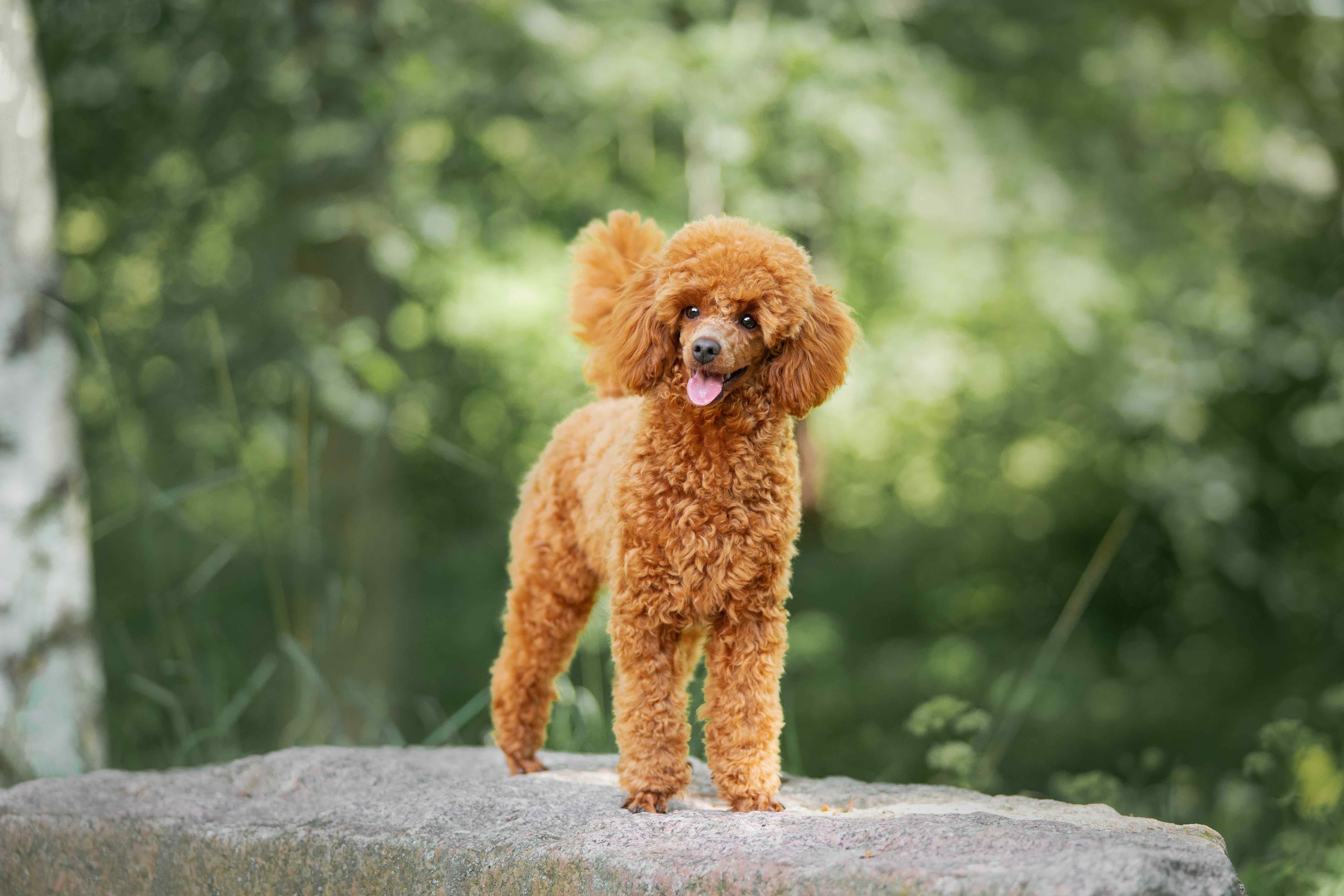
Miniature Poodle: Temperament, Training and Grooming
Miniature Poodles are active, responsive dogs that often enjoy learning tasks and games. Their size sits between Toy and Standard Poodles, but they still benefit from real exercise and training. Intelligence does not automatically make a dog easy to live with when enrichment is missing.
What the context tells you
The curly coat grows continuously and traps loose hair, which makes routine brushing and professional clipping essential. Matting can be painful and conceal skin problems. Like all dogs, poodles produce allergens, so the word hypoallergenic should not be interpreted as allergy-free.
Practical steps and everyday care
Teach grooming cooperation early: touching paws, examining ears, brushing teeth, and standing calmly on a table. Combine short walks with sniffing, tricks, retrieval, and rest periods. Ask about eye, patellar, and other responsible breeding health screens.
A realistic home-life fit
Breed descriptions describe tendencies, not guarantees. Meet the individual dog, ask what it has already experienced, and consider the household's activity level, training time, noise limits, grooming budget, and other pets. Daily enrichment matters more than matching a breed to an idealized photograph. Responsible acquisition also includes a veterinary plan, identification, humane training, and thoughtful arrangements for travel or changes in family routine.
A real-world example
A Miniature Poodle that learns tricks quickly may still struggle with boredom when the household stops training. Rotate retrieval games, scent searches, cooperative grooming, and quiet rest to provide variety. Coat brushing should begin well before the next clipping appointment; waiting until heavy mats form can make routine handling uncomfortable.
Health, behavior, and realistic expectations
Choose the individual dog for temperament and lifestyle compatibility rather than appearance alone. A grooming budget, dental plan, and safe outdoor exercise should be included before bringing one home.
A quick decision checklist
Compare the individual dog’s temperament and needs with your household routine.
Address intelligence, exercise, clipping needs and common health screenings.
Plan exercise, training, grooming, health screening, and a safe daily routine.
Seek qualified veterinary, extension, or species-specialist guidance before using medication or making major changes.
Frequently asked questions
Is this breed right for first-time owners?
Possibly, but only when the dog's actual temperament and exercise, grooming, and training requirements fit the home. A rescue or responsible breeder can help assess the individual rather than promising that every member of the breed behaves alike.
What should I ask before adopting?
Ask about temperament, health screening, adult grooming, enrichment, the dog’s response to handling, and the support available after adoption. A good match matters more than an appealing breed label.
Related reading
Reliable resources for further checking
Editorial status: draft. Check current professional guidance and local rules before publication; urgent symptoms require appropriate veterinary help.
