Plott Hound Breed Guide: Temperament and Exercise
Plott Hound Breed Guide: Temperament and Exercise. Discover practical facts, risks, and care considerations before you decide what to do next.
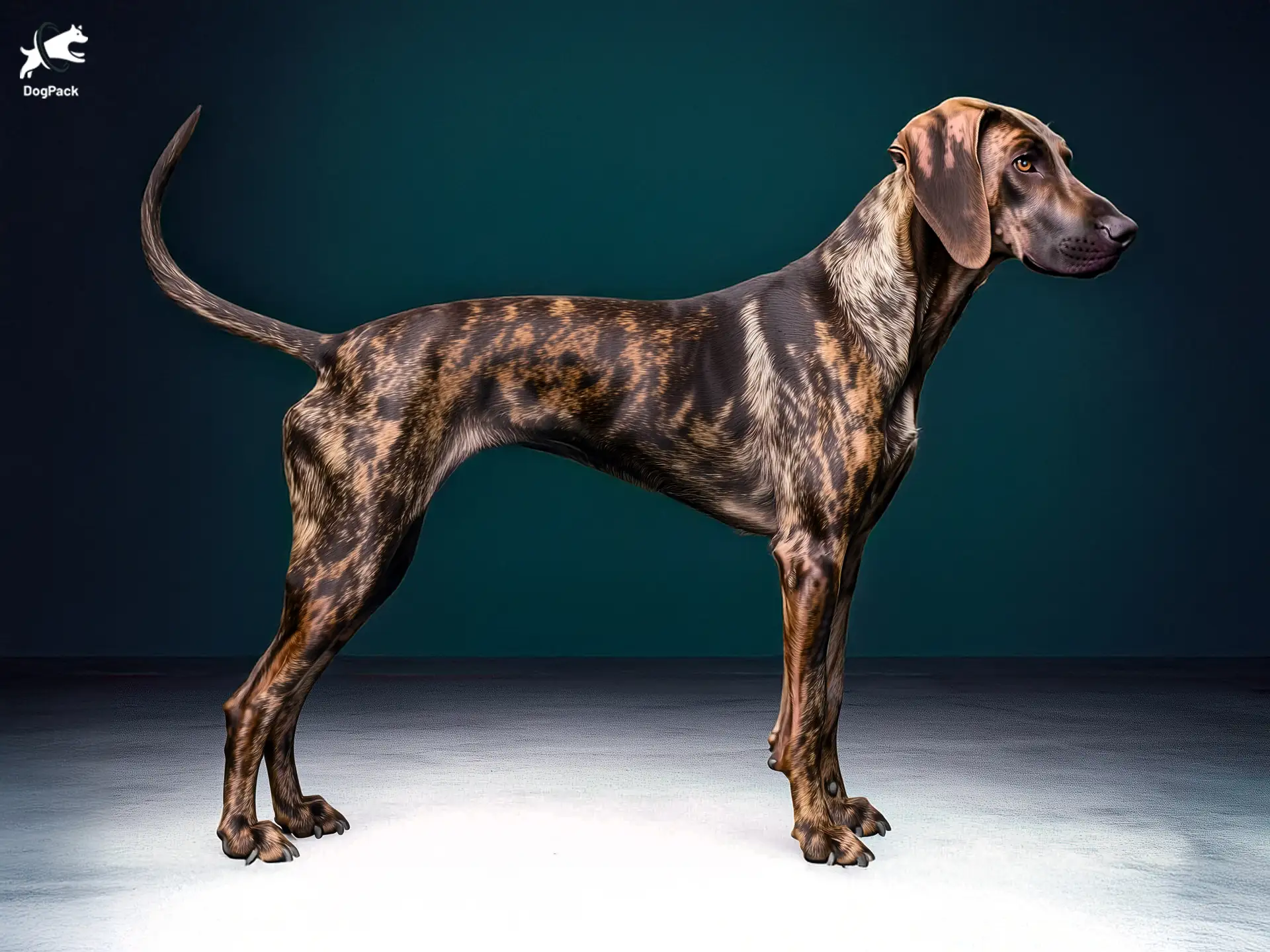
Plott Hound Breed Guide: Temperament and Exercise
The Plott Hound is a scent-driven working hound with a history of pursuing game over difficult terrain. Strong tracking interest, endurance, and an independent working style can be wonderful in the right setting and challenging without training or containment. It is not simply a larger version of a quiet indoor companion dog.
What the context tells you
Scent games, long structured walks, and positive-reinforcement recall practice are useful, but an unsecured hound may follow an odor beyond the yard. Fences should be checked for gaps and digging opportunities. Vocalization and excitement can increase around wildlife or unfamiliar smells.
Practical steps and everyday care
Brush the short coat, check ears and paws after outdoor trips, and build comfort with restraint and grooming from puppyhood. Evaluate the dog's comfort around other pets and livestock rather than relying on a breed stereotype.
A realistic home-life fit
Breed descriptions describe tendencies, not guarantees. Meet the individual dog, ask what it has already experienced, and consider the household's activity level, training time, noise limits, grooming budget, and other pets. Daily enrichment matters more than matching a breed to an idealized photograph. Responsible acquisition also includes a veterinary plan, identification, humane training, and thoughtful arrangements for travel or changes in family routine.
A real-world example
Consider a Plott Hound that has mastered sit in the living room but ignores its name when deer scent crosses the trail. This is not necessarily a lack of intelligence; the environment has introduced a powerful competing reward. Training with distance, controlled scents, and a secure long line is more reliable than assuming obedience will transfer automatically outdoors.
Health, behavior, and realistic expectations
Prospective owners should consider exercise, safe containment, neighbors, and access to enriching activities. Ask about hips, eyes, and breed-specific health issues during a veterinary or breeder conversation rather than assuming that a vigorous working background guarantees health.
A quick decision checklist
Compare the individual dog’s temperament and needs with your household routine.
Discuss scent-hound instincts, trail work, training and containment.
Plan exercise, training, grooming, health screening, and a safe daily routine.
Seek qualified veterinary, extension, or species-specialist guidance before using medication or making major changes.
Frequently asked questions
Is this breed right for first-time owners?
Possibly, but only when the dog's actual temperament and exercise, grooming, and training requirements fit the home. A rescue or responsible breeder can help assess the individual rather than promising that every member of the breed behaves alike.
What should I ask before adopting?
Ask about temperament, health screening, adult grooming, enrichment, the dog’s response to handling, and the support available after adoption. A good match matters more than an appealing breed label.
Related reading
Reliable resources for further checking
Editorial status: draft. Check current professional guidance and local rules before publication; urgent symptoms require appropriate veterinary help.
