Couch Guards for Cats: Compare Covers and Scratch Shields
A practical guide to couch guard cat: fabric and furniture tradeoffs, humane scratch management, protection options and realistic care tips.
Couch Guards for Cats: Compare Covers and Scratch Shields
Quick answer. A couch guard for cats is a targeted layer between claws, fur or everyday mess and the parts of a sofa most likely to be damaged. Clear adhesive shields, arm wraps, fitted covers and loose washable throws work differently; the right type depends on whether your cat scratches a corner, climbs across a seat or naps in one place. Fit, material compatibility and safe application matter more than a claim that the protector works for every fabric.
Match the guard to the damage pattern
Look at the sofa before shopping. Vertical scratches on the front arm demand a different solution from a seat covered in hair or a top edge used as a landing strip. Small transparent sheets are designed for localized protection; slipcovers address broader contact and spills. A heavy throw may be enough for a favorite nap area. Record the approximate dimensions of the damaged area and the direction your cat scratches.
If the protection misses the top few inches of an arm, a determined cat may simply move its claws to the uncovered edge. Protect the reachable surface, not merely the already damaged center.
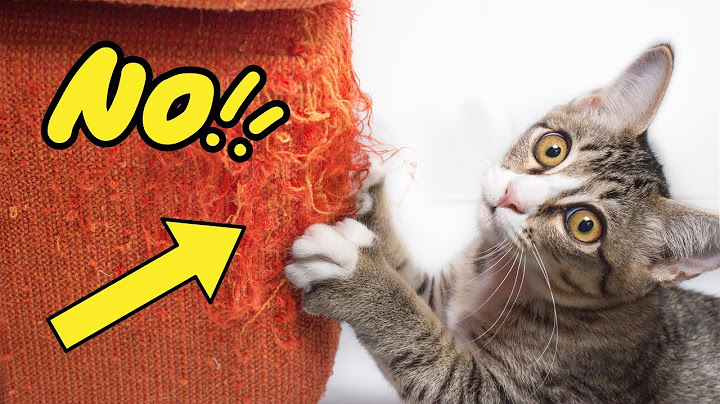
Clear shields, arm guards and slipcovers
Clear plastic protectors can make a small patch less inviting, but some adhesives are unsuitable for leather, delicate coatings or textured fabrics. Wraparound arm shields avoid some adhesive problems but may slide if straps are loose. Fitted covers can be laundered, yet very stretchy fabric may pull off the corners during active play. Quilted throws are quick to remove but not a substitute for a securely fitted scratch guard.
Compare the attachment style, visibility, cleaning limits and likelihood of loose edges. If your cat chews plastic, do not leave an accessible chewable sheet as an unsupervised fixture.
Measure before ordering a guard
For arm guards, measure the height, width and the contour from the inside face around the outer edge. For a slipcover, check seat width, back height, arm shape and cushion configuration; include thickness that changes the stretch requirements. A sectional or a sofa with a reclining mechanism may need multiple pieces instead of a one-size cover. Note whether buttons, seams or tapered arms prevent a protector from lying flat.
A too-small guard leaves exposed fabric; an oversized loose guard can wrinkle and form a claw-catching fold.
Test for adhesive residue and fabric damage
An adhesive sold as furniture-safe is not automatically safe for every finish. Check the retailer's compatibility statement, then test in a hidden area for the recommended interval before using it on a visible front panel. Avoid strong adhesive on distressed finishes, some coatings and surfaces with unstable dye. Remove sheets slowly according to manufacturer directions, never by yanking a large piece across a delicate seam.
If the test area shows discoloration, lifting fibers or stickiness, switch to a nonadhesive wrap or washable throw. Keep any small peeled plastic pieces away from pets.
Cleaning and keeping a protector in place
Hair and dust trapped beneath a protector can abrade fabric or make the edge lift. Check the attachment during routine cleaning, smooth wrinkles, and wash covers using their stated water temperature and drying method. When removing a cover, clean the upholstery beneath with a method that matches the sofa's care code. Do not saturate an upholstered arm simply to remove adhesive.
For loose throws, secure the fabric by tucking it behind removable cushions only when no cords, pins or small components are accessible to the cat. Replace torn protectors promptly.
Pair the guard with a better scratching outlet
A guard protects furniture; it does not teach the cat where to scratch. Place a tall, stable scratcher next to a targeted arm, or a sturdy horizontal pad if your cat scratches flat surfaces. Reward use with a treat, play or attention. After repeated successful use, the scratcher can be moved gradually if needed. Keep protection in place during the transition, especially at the original location.
Avoid frightening or punishing the cat; scratching is a normal behavior that needs an acceptable surface. The full behavior-training process is covered in a separate guide.
Why guards curl, slip or fail
A curled clear edge often means the adhesive dislikes the texture, the surface was dusty, or the sheet was stretched around a sharp corner. A slipcover that moves may be too large or lack secure anchoring. Repeated scratching at the guard's edge means the protected area may be too small. Do not respond by stacking random adhesives, staples or pins, which add hazards and damage.
Re-measure, choose a compatible attachment, or change the guard type. If the cat begins chewing the protector, remove it and prioritize safer non-chewable alternatives plus scratching enrichment.
What a guard cannot promise
Covers may help with fur and small everyday messes but are not waterproof unless a verified barrier is included. Clear protectors may resist some claw contact but can be punctured or detached. Protection should never obstruct a recliner mechanism or block ventilation around powered furniture. Keep the routine simple: inspect for wear weekly, wash when dirty, and reassess after the cat's scratching behavior changes.
For a new human-size sofa, upholstery selection is a separate decision from physical protection.
At-a-glance comparison
| Guard type | Best use | Key limitation |
| Clear sheet | Localized arm scratching | Adhesive compatibility |
| Arm wrap | Curved arm and corner | May shift with activity |
| Fitted slipcover | Whole-seat fur and spill exposure | Fit varies by sofa |
| Washable throw | Single favorite nap zone | Easy to displace |
Before you decide: practical checklist
Observe the cat’s actual rest, jump or scratching habit instead of choosing by a styled photograph.
Confirm exact usable dimensions, mounting or frame stability, and the manufacturer’s stated limitations.
Check seams, loose parts, chewable components and whether all accessible surfaces can be cleaned.
Choose a location with safe access, a clear exit and enough space to inspect the product regularly.
Keep an alternative resting or scratching option available; do not force a cat to use the new item.
Frequently asked questions
Do couch guards stop cats from scratching?
They may reduce access to a specific fabric area, but a suitable scratching post and reward-based redirection are still important.
Can adhesive couch guards ruin fabric?
Some finishes can be affected. Follow compatibility directions and test a concealed section before wider application.
Should I buy a clear guard or a cover?
Choose clear protection for one targeted arm; use washable covers when fur and broad seat contact are the main problems.
How do I stop a couch guard slipping?
Measure carefully and use an attachment method designed for your sofa style; avoid loose pins or exposed fasteners.
Are guards safe for a cat that chews plastic?
Avoid accessible chewable plastic. Choose a safer option and ask a veterinarian about persistent destructive chewing.
Related guides
How to Stop Your Cat From Scratching the Couch
Cat-Proof Couch — Practical Sofa Materials and Selection
Sofa Cat Scratcher — Choosing a Couch-Shaped Scratching Pad
Editorial notes and limitations
Scope of this guide: Physical furniture protection solutions: washable sofa covers, armrest shields, adhesive barriers, fit and removal checks. This article intentionally does not try to become a substitute for the separate guides covering cat behavior retraining methods as main intent, buying an entire couch, upholstery material deep dive. Recommendations are based on product features and cat-care principles, not claimed first-hand testing, paid rankings, or an assumption that every cat has the same preferences. Check current product instructions and consult a veterinarian for persistent behavior changes, suspected pain or urgent health symptoms.