Dog Calming Diffusers: What Pheromones Can and Cannot Do
Learn what dog calming pheromone diffusers are, how to evaluate claims and practical room-placement considerations.
Dog Calming Diffusers: What Pheromones Can and Cannot Do
A dog calming diffuser usually refers to a plug-in product that releases a synthetic version of a dog-appeasing pheromone into a room. It is designed as a possible environmental support for some stressful situations—not a sedative, not an air freshener, and not a cure for a behavioral disorder. The diffuser is most relevant when the dog spends time in a predictable indoor area. Before buying, consider the dog's actual trigger, the size and layout of the room, the product's installation rules and whether the dog needs veterinary care.
What is a dog-appeasing pheromone diffuser?
Dog-appeasing pheromones are modeled on chemical signals associated with maternal reassurance in dogs. Commercial products distribute a synthetic analog into the environment. Dogs do not have to smell a human-noticeable perfume for the device to be intended to work. A product described only as “lavender calming scent” is not automatically the same thing as a dog-specific pheromone diffuser.
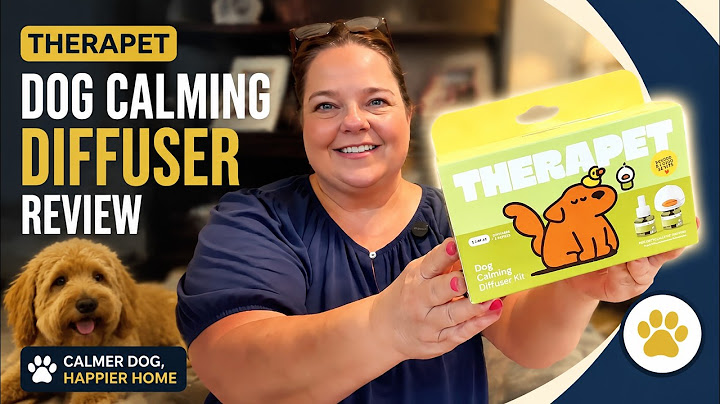
The distinction is important for safety. Strong scents and essential oils have their own exposure considerations. Do not pour essential oils or an unrelated refill into a pheromone diffuser or create a homemade mixture. Use only the components and refills approved for the exact device.
When a room-based product may make sense
A diffuser may be convenient in a familiar room during changes in household routine, the arrival of a new pet or recovery in a stable indoor setting, if a veterinarian considers it appropriate. If a dog becomes distressed mainly outdoors or on short car rides, a stationary home diffuser may not be the most practical format. A collar travels with the dog; a properly labeled spray can target certain objects, depending on instructions. Different delivery methods solve different logistics problems, not necessarily different medical problems.
For a dog panicking in storms, the more urgent tasks are securing an escape-proof safe area, providing a predictable retreat and contacting a veterinarian when needed. A diffuser cannot replace a noise management plan or specific treatment for a dog injuring itself in fear.
Placement and operation checklist
| Check | Why it matters |
| Use the device's approved outlet type | Plug and electrical requirements differ |
| Allow the recommended airflow | Furniture and curtains can block dispersal |
| Check supported room area | Coverage is not infinite |
| Keep away from unsafe contact | Pets and children should not tamper with device |
| Use the matched refill | Do not transfer liquids between brands |
| Follow the replacement schedule | Refill duration depends on specific product |
Manufacturers may give precise clearance, placement and refill guidance, but do not use an amount copied from another brand. In particular, follow warnings about extension cords, outlet strips, heat and covering the unit. Keep the electrical device away from water, and inspect the plug and housing as directed.
What does the evidence say?
Veterinary references describe pheromone products as possible adjuncts, with effects that may vary. Published studies differ in design, behavior measured and quality. Evidence for a particular brand in one setting cannot establish that every diffuser prevents panic, treats aggression or ends separation anxiety. Some dogs may show little observable change. Never use a diffuser as the sole reason to postpone evaluation of severe behavior.
A cautious trial sets a modest goal: for example, the dog settles more readily in its usual room during an ordinary household change. Record its behavior before and during a label-directed trial. Note other differences such as training, visitors and schedule changes so the device is not automatically credited for every quieter day.
Diffuser versus collar versus spray
A diffuser stays in one location. A collar remains with the dog as it moves. A spray is typically applied to specified surfaces and is not a wearable product. A dog living in several different homes may need a different logistics solution from one staying primarily in a designated room. Neither format is inherently the strongest; fit, correct use and the dog's circumstances matter more than a format ranking.
Avoid stacking products without a reason. If a dog is frightened enough to refuse food, damage doors or attempt escape, call a veterinarian or veterinary behaviorist. Professional assessment can include medical causes, reward-based behavior work and medication when clinically appropriate.
The first-week observation plan
Before using the diffuser, write down the behavior you hope to change. Keep the usual routine as stable as possible. Observe settling time, pacing, vocalization and willingness to use the normal resting area. Never lock a frightened dog into a room just because a diffuser is installed. A calmer appearance is worthwhile only if the dog is comfortable and safe.
Stop use and contact the manufacturer or veterinarian if you notice problems associated with the device or a concerning reaction. Discuss the findings with the veterinarian rather than simply buying more refills when the dog remains distressed.
Related guides
For devices that travel with the dog, see Calming Collars for Dogs. For object-targeted products, see Dog Calming Sprays. For a quick overview of oral and environmental aids, read Dog Calming Products.
Frequently asked questions
Will a dog calming diffuser make my dog sleepy?
Pheromone diffusers are not designed as sedatives. A sudden change in alertness is not an expected measure of benefit and should prompt veterinary advice.
Can I put a diffuser behind a couch?
Follow the specific manufacturer instructions. Blocked airflow or unsafe placement can affect performance and may create safety issues.
Do diffusers cure separation anxiety?
No. A dog with significant separation-related distress needs a veterinary assessment and a structured treatment plan.
Is a scented diffuser the same as a pheromone diffuser?
No. Fragrance-based products and dog-appeasing pheromone products contain different substances and have different claims and safety questions.
Can I use a dog pheromone diffuser in a home with other pets?
Discuss a multi-pet household with your veterinarian and follow the exact product's species and placement instructions; do not assume all scented or heated products are equally suitable.