Dog Drinking Fountains: How to Choose and Maintain One
Compare dog drinking fountains by design, capacity and cleaning needs. Learn how to choose a safe fountain and keep fresh water available.
Dog Drinking Fountains: How to Choose and Maintain One
A dog drinking fountain is a water bowl with a pump that moves water through a circulating system. Some designs create a gentle stream, while others move water across a shallow surface. For dogs that prefer moving water, this can make a drinking station more appealing. It does not automatically make the water safer, replace routine cleaning, or guarantee that a reluctant dog will drink more. A good fountain is one your dog can use comfortably and that you can realistically maintain.
How a circulating dog fountain works
Most electric fountains draw water from a reservoir with a small pump. Water flows through a channel or spout and returns to the drinking area. Depending on the design, a carbon filter may reduce certain odors or tastes, while foam material can trap hair and debris before they reach the pump. These are useful functions, not proof that water is sterile. Saliva, food particles, biofilm, and dirt still collect on surfaces.
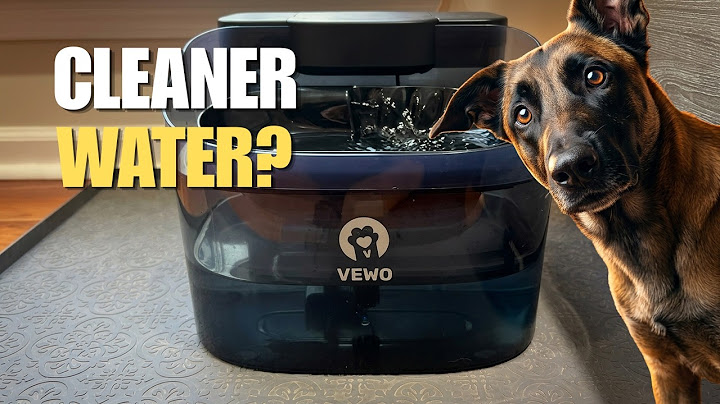
When comparing fountains, distinguish circulation from automatic refilling. A fountain generally recirculates the water already inside it. A gravity waterer, discussed in our automatic dog water bowl guide, releases stored water to replenish a basin. Neither system eliminates the need to inspect the available water each day.
Who may benefit—and who might prefer a bowl
A fountain may suit a dog that repeatedly shows interest in running water, a household that wants a designated circulating drinking station, or an owner who is willing to clean multiple removable pieces. A wide, low spout can be easier for some dogs than a tall, narrow waterfall. Noise-sensitive dogs may avoid pump vibration or bubbling; puppies can also startle at unfamiliar movement.
An ordinary clean bowl is a perfectly reasonable choice. Some dogs prefer quiet, stationary water, and seniors with mobility problems may appreciate a familiar vessel at floor level. Introduce a fountain without removing an existing water option, observe whether the dog actually drinks from it, and maintain an accessible backup. Do not force a nervous dog to approach an electrical appliance.
Fountain versus bowl versus gravity waterer
The three designs solve different problems. A standard bowl is simple, inexpensive to maintain, and easy to see and wash; its drawback is that you replenish it manually. A circulating fountain offers moving water but introduces a pump, power cord, and parts that need cleaning. A gravity waterer automates replenishment from a reservoir yet the exposed basin still requires washing and can become dirty. Start with the problem you want to solve, not a product label.
If spills are the real issue, a no-spill bowl with a floating disc may fit better than adding a pump. For uncomplicated daily access, our standard dog water bowl guide covers bowl dimensions, placement, and materials. A household can also combine a fountain with a basic bowl rather than make one device the only water source.
Capacity, drinking position, and pump noise
A reservoir's labeled capacity is not the same as the amount immediately available in the drinking area. Larger dogs may need a wide basin that accommodates their muzzle without forcing an awkward angle. Smaller dogs can be discouraged by a high rim. Check the usable water depth, the height of the drinking lip, and the location of the return stream, especially for dogs with short muzzles or limited neck mobility.
Choose capacity based on the number of pets, climate, individual drinking habits, and how often someone checks the station. Avoid assuming that a large tank permits leaving pets unattended for extended periods. Look for a stable base, a smooth route for the cord, accessible replacement filters, and a pump that is easy to disassemble. In a quiet room, even a low hum can affect whether the dog uses the station.
The cleaning routine matters more than the filter claim
Start each day by checking the water, removing visible debris, and ensuring the pump is running normally. Wash drinking surfaces at least daily where feasible, following the CDC's guidance for water bowls. On the schedule specified by the manufacturer, unplug and fully disassemble the fountain, clean inside narrow channels and pump parts, rinse thoroughly, and replace filters as directed. A filter change without cleaning the pump leaves residue behind.
Before cleaning, disconnect power and follow the exact appliance manual. Some removable components are dishwasher-safe; pumps, power adapters, and filters generally are not. Avoid running a pump dry, using abrasive tools that damage surfaces, or exposing plugs to splashes. If the fountain becomes slimy, develops an odor, leaks, or loses flow, take it out of service until cleaned or repaired. Keep an additional freshly filled bowl available throughout troubleshooting.
A practical purchase and setup checklist
Measure the area where your dog already drinks. Check that the fountain will not wobble under the dog's muzzle or block a walkway. Confirm that the refill opening and full reservoir can be reached without heavy awkward lifting. Assess how much disassembly is required, whether seals and filters are obtainable, and how replacement parts are identified. A cheaper fountain can be costly to maintain if its filters are proprietary or its pump is difficult to clean.
Put the station on a level, dry surface away from food crumbs and crowded traffic. Arrange cords so the dog cannot chew, pull, or trip over them; follow the product's indoor or outdoor rating. Introduce the sound gradually, reward calm curiosity without coercion, and watch the dog use it over several days. The success metric is reliable access to fresh water, not whether the device looks sophisticated.