No-Spill Dog Water Bowls: What Actually Reduces Mess?
Compare floating-disc, splash-resistant and travel-friendly no-spill dog bowls, with tips for cleaning, sizing and safer everyday use.
No-Spill Dog Water Bowls: What Actually Reduces Mess?
A no-spill dog water bowl is designed to limit splashing, sloshing, or tipping, but no portable container can promise a completely dry floor in every situation. The best choice depends on how your dog creates the mess. Fast lapping, long ears, a dripping beard, playful pawing, and a bowl sliding on tile call for different solutions. Understanding the mechanism matters more than believing a “100% spill-proof” label.
Identify the source of the puddle first
Watch your dog drink a few times before choosing a new bowl. Does the water splash over the rim as the tongue moves? Does a long muzzle emerge with a trail of drips? Does the dog push the vessel around or flip it with a paw? Some dogs leave a wet path because fur under the chin holds water, even when nearly none escapes the bowl itself.
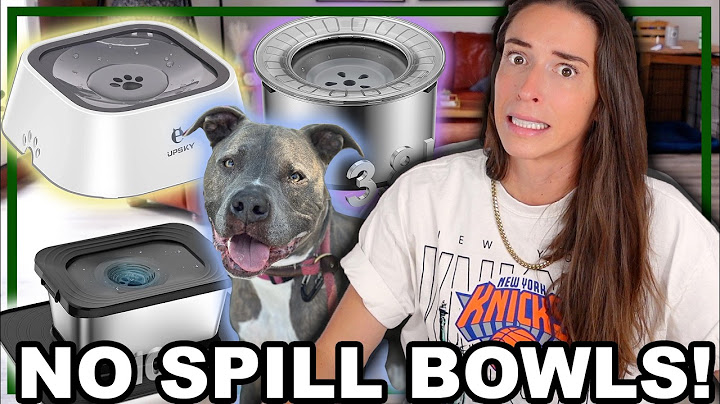
A nonslip mat might solve movement; a wider or deeper ordinary dog water bowl might solve overflow. A splash-control bowl can help when quick drinking throws water outward, but it cannot prevent moisture carried away on the dog's face. Keep realistic expectations, especially for larger dogs and energetic puppies.
Floating-disc bowls: slower access, less exposed water
A common no-spill design uses a floating plate with a central drinking opening. As the dog drinks, the plate moves down with the water level. Less exposed water can reduce some sloshing when the bowl is nudged or transported, although the amount of reduction varies by design and dog. This feature also changes how the dog accesses water: the opening must be wide enough for comfortable lapping.
Test whether the plate moves freely, is removable for cleaning, and remains stable without trapping food or hair. A dog unfamiliar with the opening may need patient introduction. Dogs with broad muzzles or reduced vision may find it awkward. Never treat a small drinking aperture as a substitute for observing whether the pet can actually take adequate sips.
Splash guards, high rims, and weighted bases
A raised lip or partially covered rim can reduce outward splash while leaving the main water surface available. Guards help most when the water is being thrown upward or outward, but a tall rim may interfere with short-faced or very small dogs. A wide base, rubber feet, or added weight can address tipping and sliding. The ideal bowl should remain easy to lift, empty, and wash every day.
One-piece smooth bowls are often simpler to clean than elaborate lids with narrow seams. Examine clips, seals, and recesses where saliva may collect. Avoid sharp edges or loose detachable parts a dog could chew. If a guard leaves too little room for the dog's nose, reducing splashes is not worth making drinking difficult.
Home versus vehicle use
On a kitchen floor, prioritize stability, appropriate height, and easy cleaning. A washable waterproof mat can catch inevitable drops. In a vehicle or camper, controlled openings can limit splashes during stationary stops, but a bowl should be secured and used with safe travel practices; do not leave unsecured containers where they can become hazards during sudden braking. A travel bowl should not be the only hydration plan during a long trip.
For walking or hiking, a portable dog water bottle with an attached trough usually makes more sense than carrying a heavy anti-spill household bowl. A drive with frequent stops may benefit from both options. The correct choice follows the location and travel routine rather than the marketing category.
The tradeoffs most buying guides overlook
A floating plate may hide how low the water has become. Some containers require more steps to refill than a standard bowl. Parts that float, slide, or snap in place can collect buildup, and a dog may reject a new drinking angle. For a multi-dog household, one shared opening can become a bottleneck; provide additional stations if pets compete for access.
Before buying, ask: Can I see or check the water level quickly? Is the opening comfortable for my dog's face? Can every wet part be washed? Does it keep drinking accessible if a component sticks? Are the base and lid stable? These questions are more useful than any unverified “best bowl” ranking.
Cleaning and use checklist
Empty old water and wash the bowl every day with soap and water; rinse and dry according to product instructions. Lift the floating disc and clean both sides, the track, and any gaskets. Look for slime, cracks, damaged plastic, or a plate that no longer moves smoothly. Replace damaged parts promptly. Refill with fresh drinking water and watch the dog take several comfortable laps.
If the goal is continuous replenishment rather than keeping the floor dry, consider an automatic waterer rather than a spill-control design. A dog drinking fountain is another category entirely: it circulates water but does not automatically stop wet muzzles or floor splashes. Solve one problem at a time, then evaluate the result by the dog's comfort and reliable access.