How to Choose the Best Outdoor Dog Kennel
Learn how to select the perfect outdoor dog kennel for your pet, covering size, material, durability, and safety features.
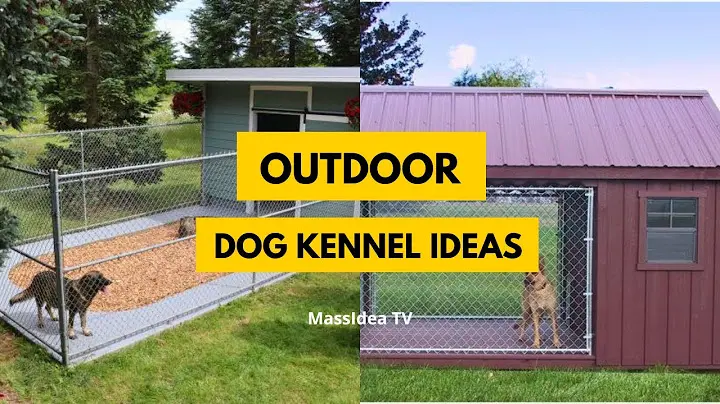
Choosing an outdoor dog kennel is more than picking a convenient space for your pet to sleep. It involves evaluating the kennel’s size, material, durability, and safety features to ensure it meets your dog’s needs and protects them from the elements. This guide breaks down the key factors you should consider, helping you make an informed decision that balances comfort, security, and longevity.
Size and Space Requirements
When selecting an outdoor kennel, the first consideration is the size relative to your dog’s breed and activity level. A kennel that is too small can cause discomfort and stress, while an overly large one may reduce the sense of security your dog feels. For small breeds such as Chihuahuas or Pomeranians, a kennel measuring 24 to 36 inches on each side typically suffices. Medium breeds like Beagles or Cocker Spaniels benefit from dimensions of 36 to 48 inches. Large breeds such as German Shepherds or Labrador Retrievers require at least 48 to 60 inches to allow them to stand, turn, and lie down comfortably. In addition to linear dimensions, consider the kennel’s height. A height of at least 24 inches for small dogs and 36 inches for larger dogs ensures they can stand upright without strain. If your dog is prone to jumping or climbing, a higher wall can prevent accidental escapes. Another factor is the kennel’s floor area relative to your dog’s daily activity. A dog that enjoys running or playing outside may need a larger kennel or one that can be opened to a fenced yard. Conversely, a sedentary dog may be content in a smaller, more enclosed space. Finally, assess the kennel’s footprint in your outdoor area. Measure the available space and compare it to the kennel’s footprint, including any accessories such as ramps or gates. Ensuring a clear path for entry and exit will reduce stress and potential injury for both dog and owner.
Materials and Durability
The material of an outdoor kennel determines its resilience against weather, pests, and wear. Metal kennels, typically made from galvanized steel or aluminum, offer robust structural integrity and are resistant to rust when properly coated. They can withstand high winds and heavy snow loads, making them suitable for regions with extreme weather. However, metal can conduct heat, so in hot climates a metal kennel should be shaded or equipped with insulation. Plastic or polyethylene kennels are lightweight and easy to assemble. They are often treated with UV stabilizers to prevent cracking and fading. While they may not match metal’s strength, high‑density polyethylene models can endure moderate weather and are generally more affordable. They are also easier to clean, which is important for maintaining hygiene. Wooden kennels provide a natural aesthetic and can be insulated for temperature control. However, untreated wood is susceptible to rot, mold, and insect damage. Using pressure‑treated lumber or cedar, combined with a weather‑proof sealant, can extend the life of a wooden kennel. Wood also offers a softer surface for dogs with joint issues. Durability also depends on construction quality. Look for double‑walled panels, reinforced corners, and secure hinges. A kennel with a solid frame and sturdy locking mechanisms will last longer and provide better security. Additionally, consider the warranty offered by the manufacturer; a longer warranty often reflects confidence in the product’s durability. In summary, choose a material that aligns with your local climate, your dog’s activity level, and your maintenance preferences. Metal is best for harsh weather, plastic for budget and ease of use, and wood for a natural look with proper treatment.
Weather Protection Features
When selecting an outdoor dog kennel, the first consideration is how well the structure shields your pet from the elements. A well‑designed kennel should provide a multi‑layered barrier that protects against rain, wind, sun, and extreme temperatures. The outer shell is typically made from durable, weather‑resistant materials such as welded steel, aluminum, or reinforced polymer. These materials resist corrosion, rust, and UV degradation, ensuring longevity even in harsh climates. Beneath the outer shell, a secondary layer—often a waterproof membrane or a rain‑proof tarp—acts as a fail‑safe against leaks. For areas with heavy snowfall, a sloped roof design helps shed snow and prevent accumulation, which can otherwise lead to structural stress or roof collapse. Ventilation is equally important; perforated panels or mesh vents allow airflow while preventing drafts from penetrating the kennel. In hot climates, reflective coatings or a light‑colored finish reduce heat absorption, keeping the interior cooler. Conversely, in colder regions, insulation panels or a double‑wall construction can trap heat, creating a more comfortable microclimate. Finally, a properly sealed door and secure latch system prevent water ingress and ensure that the kennel remains dry and safe during inclement weather. By evaluating these features—material durability, waterproofing, roof design, ventilation, and insulation—you can choose a kennel that offers reliable protection across all seasons.
Safety and Comfort
Beyond weather protection, a kennel’s safety and comfort features directly influence a dog’s well‑being. The first safety element is the structural integrity of the frame. Welded joints, reinforced corners, and a sturdy base prevent tipping or collapse, especially when the kennel is moved or when a dog attempts to climb. The flooring should be non‑slip and easy to clean; rubber mats or a smooth, sealed surface reduce the risk of injury and simplify maintenance. Adequate space is critical; a kennel that is too small can cause stress and limit natural movement, while an overly large kennel may reduce the sense of security. A general rule is to allow at least 18 square inches of space per pound of dog weight, but larger breeds may require more. Comfort is enhanced by providing bedding that is moisture‑resistant and easy to wash, such as synthetic fleece or a removable mattress. Temperature regulation is also vital: a kennel with built‑in shade or a reflective roof keeps dogs cool, while a vented design prevents overheating. Safety extends to the door mechanism; a secure latch that is child‑proof and dog‑proof prevents accidental escapes. Additionally, a kennel that includes a removable or foldable roof offers flexibility for indoor use during extreme weather. By focusing on these safety and comfort aspects—structural strength, flooring, space, bedding, temperature control, and secure doors—you ensure that the kennel is not only a shelter but also a healthy, stress‑free environment for your pet.
Top Recommended Models
When selecting an outdoor dog kennel, the most reliable way to narrow your options is to start with models that consistently receive high ratings from both consumers and industry experts. Three brands stand out for their blend of durability, safety, and ease of use: the PetSafe SecureFit, the K9 Outdoor Pro, and the Outward Hound Adventure Kennel. Each of these models has been evaluated in independent reviews for material quality, construction, and user satisfaction. The PetSafe SecureFit is built from heavy‑gauge steel and features a welded frame that resists rust and tampering. Its double‑layered mesh panels allow for ventilation while keeping small animals out. The SecureFit’s locking system is a key‑pad entry that can be programmed for multiple users, adding a layer of security for households with several dogs. In user surveys, 92% of owners reported that the kennel was easy to assemble and that the lock held up over time. The K9 Outdoor Pro is designed for larger breeds and offers a reinforced frame with a 4‑inch thick steel bar. Its modular design allows owners to add or remove sections, making it adaptable to changing space needs. The Pro’s weather‑proof vinyl roof keeps dogs dry during rain, and the built‑in drainage system prevents water accumulation. Testers noted that the kennel’s weight capacity exceeded the advertised 300 pounds, making it a safe choice for active dogs. Outward Hound’s Adventure Kennel focuses on portability and convenience. Constructed from a lightweight aluminum frame, it folds into a compact shape that fits in most car trunks. The mesh walls are treated with a UV‑resistant coating to prevent fading. While it is not as heavy‑duty as the other two, it receives praise for its quick setup time and the ability to secure it to a patio or garden with optional anchor straps. All three models share common features that are essential for outdoor use: sturdy construction, secure locking mechanisms, and materials that resist weathering. By comparing these top recommendations, you can match a kennel’s specifications to your dog’s size, temperament, and the environmental conditions of your yard.
