How to Set Up an Outdoor Dog Kennel Safely
Step‑by‑step guide on sizing, locating, and securing an outdoor dog kennel for optimal safety and comfort.
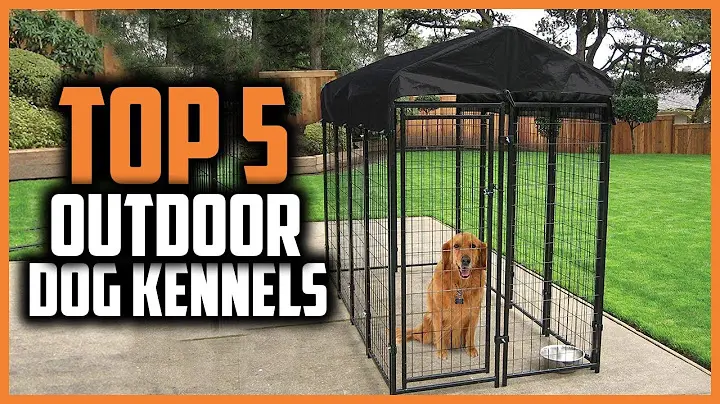
Choosing an outdoor dog kennel involves more than picking a size; it’s about creating a safe, comfortable space that fits your dog’s needs and your yard’s layout. This guide walks you through measuring your dog accurately, selecting a suitable location, and securing the kennel to protect against weather, escape, and predators.
Measuring Your Dog
Accurate measurements are the foundation of a well‑fitted kennel. Begin by measuring your dog’s height at the withers—this is the highest point of the shoulder blades—using a flexible tape measure. Record the distance from the ground to the withers; this will determine the kennel’s minimum height. Next, measure the length from the tip of the nose to the base of the tail, ensuring you include any protruding ears or a long tail that could affect the kennel’s interior space. Width is measured from the widest part of the shoulders, typically the chest area, to guarantee the dog can turn around comfortably. For a standard kennel, add 2–4 inches to each dimension to allow for bedding, toys, and easy entry. For example, a 12‑inch tall, 24‑inch long, and 18‑inch wide dog would need a kennel at least 14 inches tall, 26 inches long, and 20 inches wide. These extra inches prevent the dog from feeling cramped and reduce the risk of injury. Finally, consider the dog’s activity level; active breeds may benefit from a slightly larger kennel to accommodate movement and play. By following these measurement steps, you ensure the kennel fits your dog’s body and behavior, promoting safety and comfort.
Choosing the Right Location
Selecting a kennel location involves evaluating sunlight, shade, drainage, and proximity to your home. A south‑facing spot receives ample daylight, keeping the kennel warm during cooler months, while a shaded area protects from intense afternoon sun. Ensure the ground is level; uneven terrain can cause instability and discomfort. If your yard has a slope, position the kennel on the gentlest incline or use a foundation to level the base. Drainage is critical; place the kennel away from low‑lying areas that collect water to prevent flooding and damp bedding. A well‑drained spot also reduces the risk of mold and bacterial growth. Proximity to your home matters for supervision and quick access. A kennel within 10–15 feet of a door or window allows you to monitor your dog easily and respond promptly to any distress signals. Additionally, consider noise and traffic; a quiet corner of the yard reduces stress and keeps your dog safe from stray animals. Finally, assess wind patterns; placing the kennel on the leeward side of a fence or tree can shield it from harsh breezes, improving comfort. By balancing these environmental factors, you create a kennel site that supports your dog’s health, safety, and well‑being.
Anchoring and Security
Choosing a secure anchoring system is the first step in preventing a dog kennel from becoming a hazard. The most reliable method is to embed a heavy-duty metal post or concrete footings into the ground, ensuring the kennel’s frame is firmly attached. For soil types that are loose or sandy, a post with a 12‑inch diameter and a 2‑foot depth provides the necessary stability. If the kennel is freestanding, use a combination of weighted base plates and a steel anchor bar that runs through the kennel’s frame and into the ground. This design distributes the load and resists wind forces that could tip the structure. Next, secure the kennel’s perimeter by installing a lockable latch on the main door and a secondary latch on any side or rear openings. The latch should be positioned high enough to prevent a dog from reaching it, yet low enough for a human to operate comfortably. A double‑locking system, such as a combination of a latch and a slide bolt, adds an extra layer of security. To further deter escape, attach a tether or leash to the kennel’s frame and anchor it to a fixed point outside the kennel. This prevents the dog from pulling the kennel away if it manages to open a door. The tether should be long enough to allow the dog to move within the kennel but short enough to keep it within the enclosure. Finally, conduct a monthly inspection of all anchoring points, latches, and tether connections. Look for signs of wear, rust, or loosening. Replace any compromised components promptly to maintain the kennel’s integrity and keep your dog safe.
Weather Protection Tips
An outdoor kennel must shield its occupant from the elements, and the design should reflect the local climate. Start with a roof that slopes at a minimum of 30 degrees to prevent water accumulation. Use durable, UV‑resistant roofing material such as corrugated metal or high‑density polyethylene (HDPE). For regions with heavy snowfall, install a ridge vent to allow snow to slide off and reduce load. The kennel’s walls should be insulated to maintain a comfortable interior temperature. Adding a layer of foam board or reflective insulation between the frame and the outer wall material can reduce heat loss in winter and keep the interior cooler in summer. In addition, a removable or retractable awning can provide shade during hot days while still allowing airflow. Ventilation is crucial to prevent condensation and mold growth. Install adjustable vents or a mesh screen on the top of the kennel to promote air circulation. Ensure that the vents are high enough to keep rainwater from entering but low enough to keep the dog from escaping. For protection against wind, consider a windbreak such as a fence or a natural barrier like a row of shrubs. Position the kennel so that prevailing winds are blocked by the barrier, reducing the risk of the kennel being pushed or tipped. Regular maintenance of the roofing, walls, and ventilation components is essential. Inspect for leaks, cracks, or damage after severe weather events and repair promptly to preserve the kennel’s protective qualities.
