Best Materials for Outdoor Dog Kennels
Compare wood, metal, and plastic outdoor kennels for dogs, focusing on durability, maintenance, and cost.
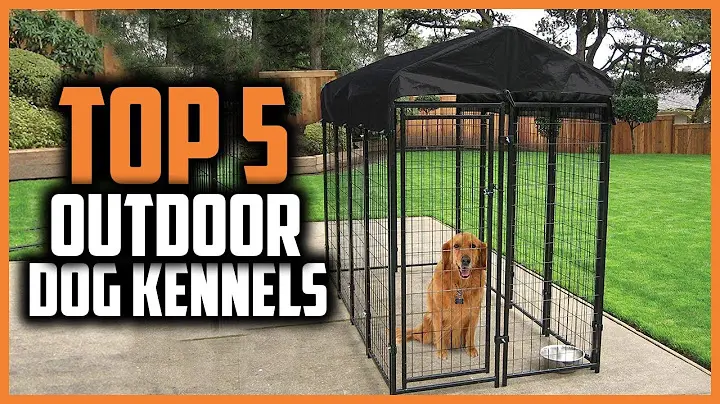
Choosing an outdoor kennel for your dog involves balancing durability, maintenance, and cost. This guide compares the most common materials—wood, metal, and plastic—highlighting their strengths and weaknesses so you can make an informed decision for your pet’s safety and comfort.
Wooden Kennels
Wooden kennels offer a natural aesthetic that blends seamlessly with outdoor environments, providing a warm and inviting space for dogs. High‑grade hardwoods such as cedar or redwood resist rot and insect damage, extending the kennel’s lifespan when properly sealed and maintained. The natural insulation properties of wood help regulate temperature, keeping dogs cooler in summer and warmer in winter. However, wood requires regular upkeep: periodic sanding, staining, and re‑coating to protect against moisture and UV exposure. Without diligent maintenance, wood can warp, splinter, or develop mold, posing safety risks. In terms of cost, premium hardwood models can be expensive, but the initial investment is offset by the durability and low maintenance of treated lumber. For owners who value a rustic look and are willing to perform routine upkeep, wooden kennels provide a durable, comfortable, and eco‑friendly option.
Metal Kennels
Metal kennels, typically constructed from galvanized steel or aluminum, deliver exceptional structural strength and longevity. Their rigid frames resist dents, warping, and weathering, making them ideal for harsh climates. Metal’s smooth surfaces are easy to clean, reducing the risk of bacterial buildup and simplifying maintenance. Additionally, metal kennels can be designed with integrated ventilation panels, enhancing airflow and preventing overheating. The primary drawback of metal is its thermal conductivity; in hot weather, metal can become uncomfortably hot for dogs unless insulated or shaded. Metal kennels also tend to be heavier, complicating relocation and requiring a sturdy foundation. Cost-wise, metal models are generally mid‑range, offering a balance between price and durability. For pet owners seeking a low‑maintenance, long‑lasting enclosure that can withstand extreme weather, metal kennels represent a practical and reliable choice.
Plastic/Fabric Kennels
Plastic and fabric kennels are the most common choices for owners who prioritize affordability and ease of setup. They typically feature a lightweight frame—often aluminum or PVC—covered with a weather‑resistant fabric or molded plastic panels. The primary advantage of these materials is their low cost; a basic plastic kennel can start around $50, while a fabric version may range from $70 to $120 depending on size and brand. This price point makes them accessible for households that need a temporary or seasonal shelter, such as during a move or for a small dog that does not require a permanent structure. Durability varies considerably. Plastic panels can withstand moderate weather but may crack or warp under extreme heat or prolonged UV exposure. Fabric models, especially those made from canvas or nylon, offer better breathability but can be prone to mildew if not properly dried. Both types require regular cleaning to prevent mold and odor buildup; a simple rinse with mild soap and a dry, shaded area usually suffices. Maintenance is minimal compared to wood or metal kennels, but owners should inspect seams and fasteners every few months for wear. In terms of safety, plastic and fabric kennels are generally lighter and easier to move, which can be advantageous for owners who need to relocate the kennel frequently. However, they provide less structural protection against predators or extreme weather. For example, a heavy rainstorm can cause a plastic kennel to become waterlogged if not properly sealed, and a strong wind may dislodge a fabric kennel that is not anchored securely. Consequently, while these kennels are budget‑friendly and convenient, they are best suited for well‑secured outdoor spaces and for dogs that are not prone to chewing or digging.
