How Earth Works: Rock Types, Sediments, Landforms and Atmospheric Systems
Explore earth materials and geology with carefully defined concepts, evidence-led examples and focused guides to individual questions.
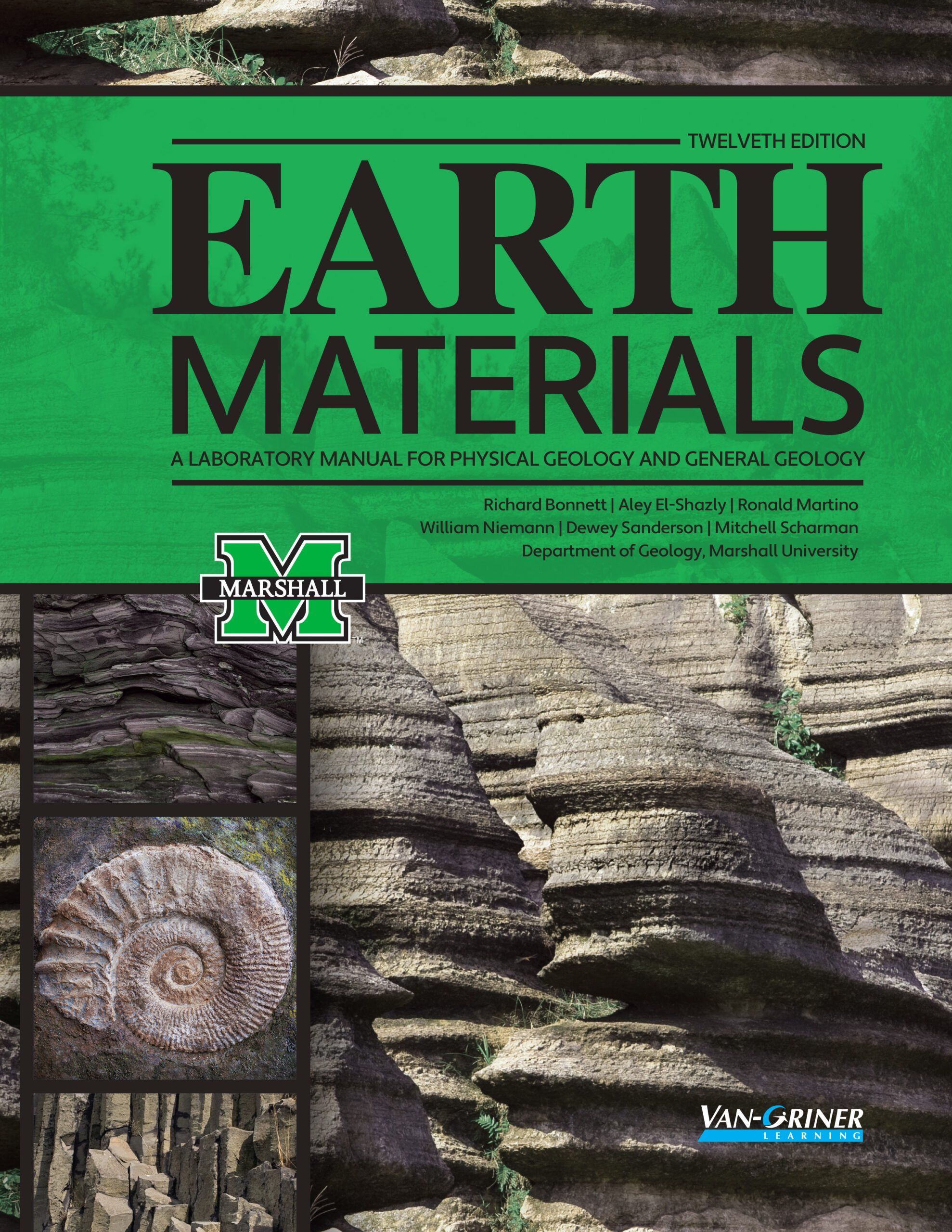
How Earth Works: Rock Types, Sediments, Landforms and Atmospheric Systems
Earth science connects the planet’s solid materials with water, air, climate, and living systems. The same landscape can record processes operating over seconds, centuries, or millions of years.
How the field is organized
Volcanic rocks like basalt and pumice reveal different cooling and gas conditions. Metamorphic gneiss records heat and deformation, while travertine and other deposits demonstrate the importance of water chemistry.
Core ideas and how to read them
Atmospheric circulation is part of the same Earth system. Hadley cells help organize global patterns of rising and sinking air; regional winds such as the sirocco are shaped by weather and geography. Sediments and estuaries show how moving water redistributes material.
Earth scientists reconstruct events from material evidence and observe processes that continue today. A feature can reflect several episodes instead of one cause.
Explore the topic library
Geosphere — The geosphere refers to Earth's solid materials and the processes that shape them, including rocks, minerals, sediments, and the planet's deeper interior.
Gneiss — Gneiss is a metamorphic rock commonly recognized by compositional banding, where lighter and darker minerals form distinctive layers.
Travertine — Travertine is a form of limestone that commonly precipitates from mineral-rich waters at springs, caves, or related settings.
Pumice — Pumice is a highly porous volcanic rock created when gas-rich magma cools rapidly during an explosive eruption.
Sedimentation — Sedimentation is the settling or accumulation of suspended particles when conditions allow them to leave a fluid such as water or air.
Estuary — An estuary is a partially enclosed coastal water body where freshwater from rivers mixes with seawater, often under tidal influence.
Sirocco Wind — The sirocco is a warm wind associated with air moving from the Sahara toward the Mediterranean region, sometimes carrying dust.
Basalt Rock — Basalt is a dark, fine-grained igneous rock formed when mafic lava cools relatively quickly at or near Earth's surface.
Hadley Cells — Hadley cells are large-scale atmospheric circulation patterns involving rising air near the tropics, poleward flow aloft, and descending air in the subtropics.
Earth’s Atmosphere Composition — Earth's dry air near the surface is composed mainly of nitrogen and oxygen, with argon and carbon dioxide present in much smaller amounts.
How explanations are evaluated
A good geologic explanation separates observations from interpretation. Grain size, mineral composition, stratigraphic setting, and current conditions all influence how a particular rock or landform should be described.
Field mapping, rock analysis, dating methods, satellite measurements, and atmospheric observations can test different parts of an Earth-system explanation.
Questions worth asking
What exactly is being defined? Which mechanisms have been established, and which statements describe simplified models? How does the evidence change when time, location, scale, or context changes?
Use the linked articles for the detailed definitions, examples, and limits. This page is a directory and overview rather than a replacement for the individual subject entries.
