Hadley Cells: Formation, Natural Characteristics and Science Facts
Understand hadley cells with clear definitions, examples, scientific context, and notes on common misunderstandings.
Hadley Cells: Formation, Natural Characteristics and Science Facts
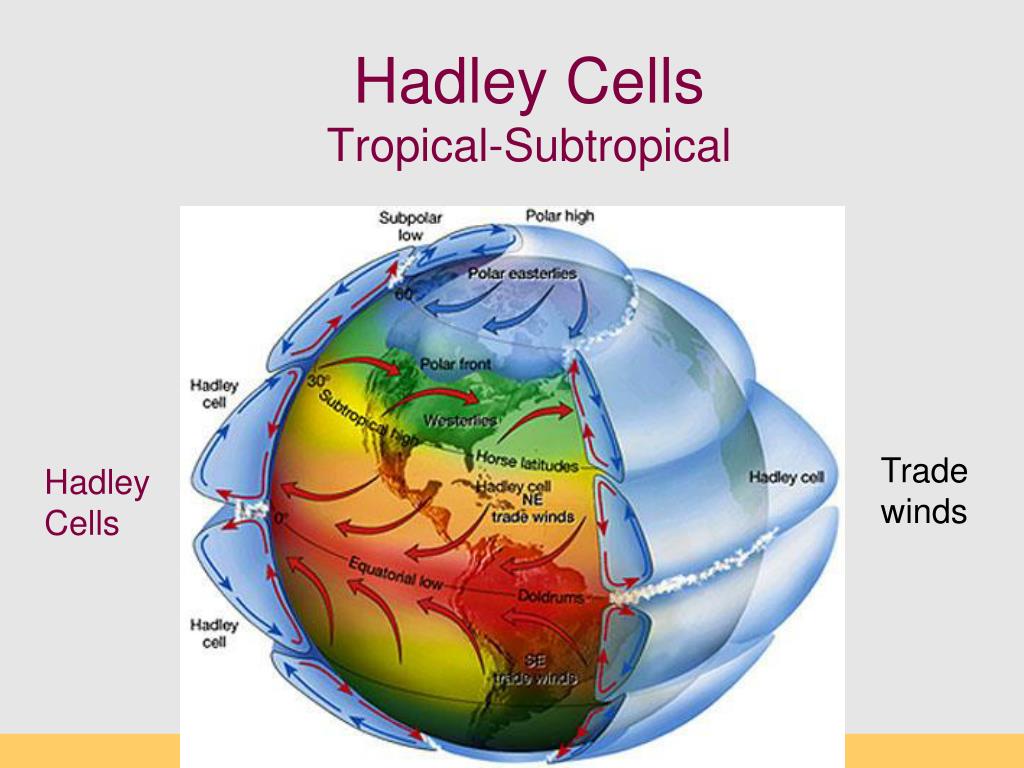
Hadley cells are large-scale atmospheric circulation patterns involving rising air near the tropics, poleward flow aloft, and descending air in the subtropics.
A useful way to understand this topic is to separate the underlying idea from a worked example and from the limits of the explanation. Earth scientists reconstruct events from material evidence and observe processes that continue today. A feature can reflect several episodes instead of one cause.
How it works
Differential solar heating and Earth's rotation help establish the circulation, which interacts with trade winds and tropical rainfall zones.
The mechanism matters because it explains the observation rather than just naming it. Different conditions can change the outcome, so a good explanation states which variables or assumptions matter.
An example in context
Frequent tropical convection and many subtropical dry regions are related to this broad circulation framework.
This example is best treated as a specific case, not an all-purpose rule. Consider which details of the example would need to remain the same for the comparison to be sound.
What the term should not be confused with
Hadley circulation is part of a larger atmospheric system that also includes midlatitude and polar circulation; its boundaries are not fixed lines.
These boundaries help keep this page focused. Related subjects may overlap, but a shared word or superficially similar appearance is not sufficient evidence that two concepts are equivalent.
Why the distinction matters
Field mapping, rock analysis, dating methods, satellite measurements, and atmospheric observations can test different parts of an Earth-system explanation.
For readers, the practical lesson is to ask what is directly observable, what is inferred from a model, and which further evidence would help separate competing explanations. In this topic, the example above illustrates why that difference can matter.
Common mistakes and limitations
The three-cell model is useful but simplified. Seasonal shifts, oceans, and regional weather create important departures.
Geological and atmospheric processes vary with location and timescale. A named landform or weather pattern cannot be identified from one clue in isolation.
Frequently asked questions
What is Hadley cells? Hadley cells are large-scale atmospheric circulation patterns involving rising air near the tropics, poleward flow aloft, and descending air in the subtropics.
What is a clear example? Frequent tropical convection and many subtropical dry regions are related to this broad circulation framework.
What is a common misconception? Hadley circulation is part of a larger atmospheric system that also includes midlatitude and polar circulation; its boundaries are not fixed lines.
Continue exploring
How Earth Works — a broader topic overview.
Basalt Rock — a focused explanation of a related concept.
