Falling Iguana Warning: What Cold-Stunning Really Means
Why do iguanas fall from trees during Florida cold snaps? Learn what cold stunning means and why the 2026 special FWC handover is no longer open.
Falling Iguana Warning: What Cold-Stunning Really Means
FLORIDA WILDLIFE GUIDE • Editorial review: November 2, 2026 • US English
A “falling iguana warning” sounds like a joke until a cold snap reaches South Florida. Green iguanas are ectothermic reptiles: their movement and body temperature depend heavily on the surrounding environment. Prolonged low temperatures can leave them sluggish and unable to grip tree branches. An apparently lifeless animal may be cold-stunned, not dead. Residents should protect people and pets, avoid handling wildlife, and recognize the difference between a temporary weather event and a government collection program that has already ended.
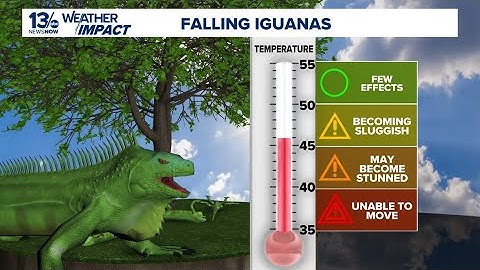
Why green iguanas can fall from trees
Iguanas frequently spend time resting or sleeping above ground. During unusual cold weather, their muscles and nervous systems become less effective at coordinating movement; the animal may lose its grip and drop from a perch. The phenomenon is most familiar in parts of South Florida where established iguana populations encounter occasional winter cold spells. Not every iguana will fall, and the risk varies by location, temperature exposure, shelter and individual condition. An alarming video from one county does not mean all Florida residents face the same hazard.
Cold-stunned is not necessarily dead
A cold-stunned iguana can become very still with reduced responses. It may appear injured or lifeless even though it can recover movement when conditions warm. Do not test its condition by poking, lifting or putting your face near it. Regaining movement can be rapid, and a frightened large iguana may bite, scratch or strike with its tail. FWC specifically warns against bringing cold-stunned iguanas indoors or into vehicles to warm them. Keep pets and children away until the area can be handled appropriately.
What makes a weather warning useful
A real warning should identify the affected area, forecast timing and source—not just repeat a dramatic phrase. A cold front with unusually low temperatures in coastal South Florida may create conditions for cold-stunning, but local exposure depends on microclimate and habitat. Check your local National Weather Service forecast and FWC notices rather than trusting recycled photographs from a prior year. If a large reptile is above a walkway, consider using an alternate path and avoiding the area without disturbing the animal.
What residents should do around a fallen iguana
Give the animal space, keep curious pets restrained and prevent children from approaching it. Do not pick it up or transport it. If an animal creates an immediate public-safety obstruction, contact the appropriate local authority or qualified wildlife-control professional for direction. Photographing the scene from a safe distance may help describe the problem, but do not stand under unstable branches or over an animal to get a close-up. Avoid crowds gathering around the reptile: stress and unexpected movement can increase injury risk.
The February 2026 exception is over
On January 30, 2026, the Florida Fish and Wildlife Conservation Commission issued Executive Order 26-03 authorizing a very specific temporary arrangement: members of the public could bring live, cold-stunned green iguanas to designated FWC locations on February 1 and 2 under the order's terms. On February 4, FWC said that 5,195 iguanas had been removed and that it was no longer receiving live iguanas from the public. Those exact dates are essential. A current article must not tell readers that the 2026 drop-off arrangement remains open.
Why taking a live iguana home is problematic
Green iguanas are regulated as a Prohibited species in Florida. Routine possession, transportation and release of live captured iguanas can trigger legal restrictions, independent of whether the animal was found on a sidewalk. An iguana recovering from cold can become active and defensive in an enclosed car or home. The animal may also carry germs associated with reptiles. Rather than assuming a cold-stunned animal needs to be rescued by an untrained resident, use current official advice and seek professional help when necessary.
What to look for in future cold-weather coverage
Before sharing an alert, verify the publication year, geographic area, whether FWC issued a fresh order and whether any dates are still valid. “FWC accepts iguanas” is not a timeless fact. A responsible headline might say that cold-stunned iguanas can fall during an unusual South Florida cold spell, while a separate dated note explains a past February 2026 collection. This keeps weather information useful long after the particular emergency has passed. It also avoids encouraging unnecessary handling or illegal transport.
Frequently Asked Questions
Do falling iguanas die when they become cold-stunned?
Not necessarily. Some can recover movement as conditions warm, so treat a motionless reptile as potentially alive and dangerous to handle.
Should I bring a cold iguana into my home?
No. FWC warns against warming cold-stunned iguanas in homes or vehicles. Seek appropriate professional guidance instead.
Are falling iguanas a risk everywhere in Florida?
Reports primarily concern areas with established green iguanas during unusually cold conditions, especially South Florida.
Can I deliver a live iguana to FWC in November 2026?
The special February 1–2, 2026 acceptance order has ended. Do not rely on that expired exception.
Who should I contact if an animal blocks a public path?
Use local animal-control or the responsible property authority, and consult current FWC guidance for wildlife issues.
Related Reading
Florida Iguana Capture Rules: What Changed in 2026?
Florida Lizards: A Guide to Common Native and Introduced Species