Florida Iguana Capture Rules: What Changed in 2026?
Can residents capture iguanas in Florida? Understand 2026 FWC rules, private-land permission, live transport limits and the expired cold-stun order.
Florida Iguana Capture Rules: What Changed in 2026?
FLORIDA WILDLIFE GUIDE • Editorial review: November 2, 2026 • US English
Florida residents searching for iguana capture rules may be reacting to news about invasive wildlife or a short-lived government program. The distinction matters. Florida generally allows humane removal of green iguanas under defined circumstances, but live possession, transportation, property access and animal-welfare requirements are separate questions. A temporary February 2026 cold-weather order is not a standing authorization to deliver live animals to FWC. This guide explains what residents should verify before taking action, without treating a news headline as legal permission.
Why green iguanas are regulated
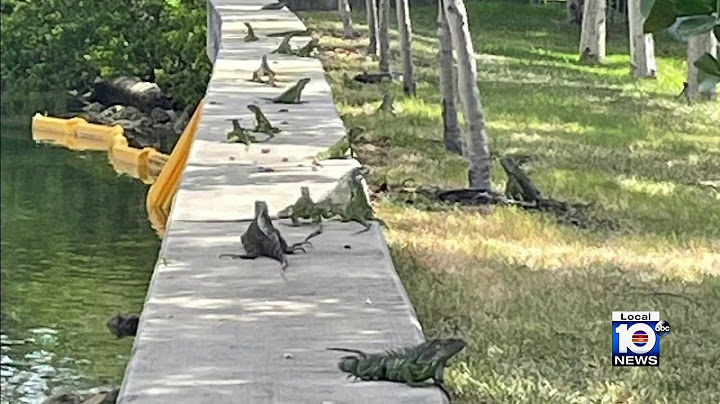
Green iguanas are introduced, invasive reptiles in Florida. The Florida Fish and Wildlife Conservation Commission (FWC) describes their impacts on native wildlife and on infrastructure, including burrowing around canals and embankments and damage to landscaping. Green iguanas appear on the state's Prohibited species list, a designation that chiefly affects possession, transfer and other regulated activities. Invasive status does not remove animal-welfare protections. FWC states that nonnative reptiles remain subject to anti-cruelty laws, so residents should not assume that any method or any location is allowed.
Private property: permission comes first
FWC says green iguanas may be humanely removed on private land with the landowner's permission, subject to lawful methods and applicable local restrictions. A tenant, HOA resident or contractor should establish who controls the location and what their agreement permits. Shared courtyards, retention ponds and canal banks may be governed by different owners or authorities. Do not cross a fence or enter another parcel simply because an iguana is visible. When in doubt, work through property management or a licensed and appropriately qualified wildlife-control professional.
Public land is not a general open-access rule
FWC describes 32 designated Commission-managed lands in South Florida where people may remove green iguanas under specified conditions without a hunting license or permit for that activity. That does not mean every park, beach, preserve, road shoulder or municipal property is open to iguana hunting. Check the specific property's current FWC listing, entry rules, safety restrictions and any local ordinances before planning a visit. Even on listed lands, rules about public access and permitted equipment may differ. A species-level permission is never permission to trespass.
Live animals: capture and transport are different
A core point in Florida's regulatory system is the difference between humane removal at the capture site and possessing a live Prohibited species. Outside a narrow exception, FWC requires authorization for live possession or transport of captured green iguanas for eradication and control. There are specialized permit pathways for approved activities. Do not take a live iguana home, drive it to a distant vacant lot, or release it in a different neighborhood. Moving a live nonnative reptile can be illegal, increase the spread of invasive wildlife and create injury risks for people and animals.
What the January and February 2026 emergency order actually did
On January 30, 2026, FWC announced Executive Order 26-03 for an unusual South Florida cold spell. It temporarily allowed the public to transport live, cold-stunned green iguanas to designated FWC locations on February 1 and 2, 2026, under special conditions. FWC later confirmed that the order had closed and it was no longer accepting live iguanas from the public. As of this article's November 2026 editorial review, those particular dates are in the past. A screenshot of the January announcement cannot justify an attempted drop-off now.
The 2025–2026 commercial rule changes are separate
FWC also approved changes allowing qualifying permit holders to collect, transfer or sell certain wild-caught green iguanas through regulated channels, with transport rules effective in January 2026. That system is not an open invitation for an unpermitted resident to hold or sell live reptiles. Applicants must understand the correct permit category, secure storage, transport and reporting requirements. The official rules can change, so editors and residents should consult the current FWC regulation before acting on any generalized summary.
Safer decisions for homeowners
If an iguana is damaging a yard, photograph the damage from a distance, check who owns the property and seek advice from FWC or an experienced wildlife-control operator. Habitat modification, excluding access to vulnerable landscaping and avoiding intentional feeding may reduce repeat problems, although no single deterrent works in every setting. Keep pets and children away from stressed or injured reptiles. Do not handle an apparently motionless cold-stunned animal; it may regain movement quickly. For practical service-selection questions, see the companion guide on professional iguana removal.
Frequently Asked Questions
Can anyone in Florida capture a green iguana?
Not in every circumstance. Property permission, location, method, welfare law and whether the animal will remain alive all affect what is lawful. Confirm current FWC guidance.
Can I drive a captured live iguana somewhere else?
Generally not without the applicable authorization. Green iguanas are Prohibited species, and live possession, transport and release are regulated.
Is the February 2026 FWC drop-off program still open?
No. FWC stated that Executive Order 26-03 closed after the February 1–2, 2026 collection period.
Does the law apply to every Florida lizard?
No. Species identification and the precise regulatory designation matter. Native lizards and other introduced species can have different rules.
What should I do if I'm unsure about my property or a permit?
Check current FWC rules and local property restrictions, then consult property management or a qualified wildlife-control specialist before intervening.
Related Reading
How Much Does Florida Pay for Iguanas in 2026?
Florida Iguana Hunting: Rules and Places to Check First