Feline GREENIES Pill Pockets: What the Label Says
A practical guide to Feline GREENIES Pill Pockets, including label checks, pill fit, flavor and ingredient considerations, and why medication directions matter.
Feline GREENIES Pill Pockets: What the Label Says
Feline GREENIES Pill Pockets are soft cat treats made with a built-in cavity for hiding a tablet or capsule. Official GREENIES product pages list feline chicken and salmon options, but package sizes, recipes, and retail listings can differ. This is a label-reading guide, not an independent taste test or a claim that a particular flavor will work for every cat. Because product formulas can change, compare the exact U.S. package in hand with the manufacturer's current information before publication or purchase.
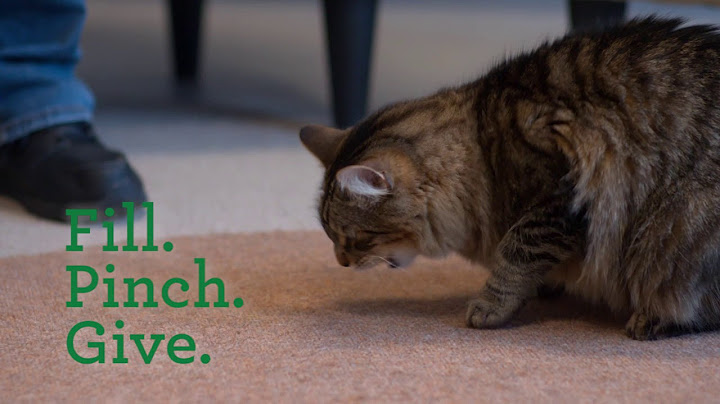
What the product is—and what it is not GREENIES markets these as a food-based aid for giving medication to cats. The soft treat can be molded closed around the pill. The manufacturer describes a simple fill, pinch, and give process. The treat does not itself prescribe medication, determine dose, or ensure that the cat swallowed the contents. A veterinarian must first confirm whether the prescribed tablet or capsule is compatible with food.
The category is best understood as an edible delivery option, not a medical device. Some cats swallow a small treat promptly. Others may chew through the treat, encounter a bitter tablet, and spit it out. Pet owners should supervise the entire dose and check for an exposed capsule or tablet afterward.
Check the flavor and package you actually have The official GREENIES site lists Feline Pill Pockets in chicken and salmon varieties; product pages may show different bag sizes and counts. The phrase “Feline GREENIES Pill Pockets” does not uniquely identify a specific SKU. Before making a purchase, check flavor, package weight, intended species, tablet or capsule compatibility, and lot or best-by information on the physical label.
Do not assume that ingredient lists or calories for one flavor also apply to another. For example, an official chicken-flavor listing shows approximately 3 calories per treat in the version reviewed, but that number should not replace a check of the package in the buyer's hand. Even small treat calories add up if a cat takes medicine several times daily.
Read ingredient and nutrition information carefully The reviewed official chicken label includes chicken, glycerin, wheat flour, wheat gluten, vegetable oil, and other ingredients. These matter for a cat with known food allergies or a veterinarian-supervised elimination diet. A salmon-flavored product should be checked separately rather than assumed to contain the same protein composition or additives.
Packaging may use claims about no artificial flavors or fillers, and the brand publishes a veterinarian-recommendation survey claim. Treat these as manufacturer claims, not independent evidence that the product is clinically superior or universally safe. Check the full ingredient list and caloric information rather than relying on a front-of-bag slogan.
Follow the labeled fill-and-pinch concept safely First verify food compatibility with the veterinary team. Place one intact tablet or capsule inside an appropriately sized pocket, pinch the material fully closed, and offer the treat as a separate small bite. Handling the medicine with one hand and the outside of the treat with the other can reduce transfer of an unpleasant taste or smell. Do not crush medication or change timing simply because the package suggests easy administration.
Stay present until the cat finishes. Look for a tablet dropped from the treat or left beside the dish. A cat may swallow the food and eject the pill several seconds later. If delivery is uncertain, contact the prescriber before repeating the dose. Never use multiple pockets or treats as an excuse to increase an animal's prescribed medication.
When to use a different approach This product may not suit a cat whose prescription must be given without food, whose allergies conflict with the recipe, or who repeatedly refuses the pocket. A cat needing a strict therapeutic diet should use an approved delivery vehicle only. Some cats also need professional support to prevent tablets from sticking in the esophagus after administration.
The veterinary team may recommend a different flavor, a very small amount of compatible food, a demonstrated pill tool, or another medication formulation. The general cat pill pockets guide explains category-level comparisons, while the cat medication guide covers swallowed-dose checks and missed doses. This brand page should not replace either.
Practical label checklist before purchase Check the current U.S. product label for its exact flavor, ingredients, calories per treat, package size, feeding guidelines, storage requirements, and seal integrity. Verify the medication's food instructions separately. If an online retailer lists different information from the manufacturer or the package, the label and the veterinary team should resolve the discrepancy before use.
This article is intentionally held as a draft for product-label verification. It includes no claimed hands-on test, no unverified price, and no ranking against competing cat treats.