How to Give a Cat a Pill: Food, Technique and Vet Help
Learn how to prepare for giving a cat oral medication, when a treat is appropriate, why tablets may need water afterward, and when to ask for veterinary help.
How to Give a Cat a Pill: Food, Technique and Vet Help
Giving a cat a pill is a medication task, not a contest of strength. Success means the correctly prescribed dose reaches the stomach without unnecessary fear or injury. The safest home method depends on whether the tablet can be given with food, whether it must be swallowed whole, and how the cat tolerates gentle handling. Begin with the veterinary prescription; choose the least stressful approved method rather than trying to overpower a frightened cat.
Read the directions before opening the package Check the drug name, dose, schedule, storage instructions, and whether it requires food or an empty stomach. Some tablets are coated, extended-release, or otherwise unsuitable for crushing or splitting. Never modify a tablet unless the veterinarian or pharmacist approves. Also ask about what to do if the cat spits it out, vomits, or misses the scheduled time.
Use a simple medication record when more than one person cares for the cat. Write down the time and whether administration was confirmed. Keep medications in their original labeled containers and away from pets, particularly if flavored pills could be eaten accidentally. The goal is to know exactly which dose was given, not to rely on visual guesses afterward.
Prepare a calm setting and the approved method Choose a quiet area with a stable surface and minimal distractions. Have the labeled dose ready before approaching the cat. Do not interrupt eating, grooming, or litter box use. Start with food only if the prescribing clinician says the medicine can be taken that way. A tiny, separate amount of approved wet food or a soft feline pill pocket is easier to monitor than a whole meal.
Let the cat approach at its own pace when possible. If the pet is already tense, pacing, or trying to escape, pause before attempting further handling. Repeated forced attempts may make future medication more difficult. Ask the veterinary team about a plan tailored to the cat's behavior and health rather than escalating restraint.
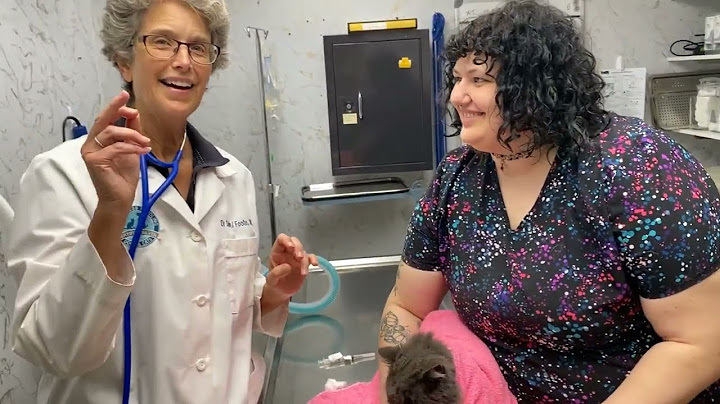
If food is allowed, make the dose easy to verify Place the intact medication in a small approved food vehicle and present it as one portion. A soft pocket can be sealed around a pill; however, some cats chew it carefully and expose the bitter tablet. Watch until the bite is finished. Check the floor, bowl, and nearby areas for medicine that was discarded several seconds after the treat was eaten.
Do not mix a prescription into the cat's usual meal unless directed. If the cat refuses the main food afterward, both nutrition and medicine delivery become difficult to assess. If only part of a medicated portion is consumed, do not estimate a replacement dose without veterinary guidance. Note exactly what happened and contact the prescriber.
When direct pilling is necessary VCA, Cornell, and other veterinary providers describe direct administration methods, but a clinic demonstration is the best starting point for an individual cat. The correct method must protect the cat's mouth, avoid rough handling, and keep caregivers from being bitten. Ask a veterinarian or technician to demonstrate head support, pill placement, and when to stop if the cat struggles.
Some clinicians use a pill popper to avoid putting fingers deep inside the mouth. These tools require safe sizing and technique; improper use can injure the mouth. Do not force a pill, device, or liquid toward the throat of a distressed cat. If the cat cannot be medicated safely, ask about a compounded liquid, a different formulation, or another professionally supervised option.
Help the tablet pass into the stomach Cats have a particular risk of a dry tablet or capsule sticking in the esophagus. Cornell recommends following oral medication with an appropriate small amount of liquid or another suitable chaser, and VCA similarly discusses a water follow-up. The exact method and volume should be confirmed with the veterinarian, especially if the cat has swallowing problems or the prescription has special instructions.
Do not squirt fluid forcefully into the throat. Ask clinic staff to demonstrate safe administration along the side of the mouth when an oral water chaser is needed. Watch for coughing, choking, excessive distress, or trouble swallowing, and seek veterinary attention when those occur. A swallowed-looking pill is not enough if the cat shows signs of discomfort afterward.
Refusal, missed doses, and alternate formulations If the pill is on the floor, it was not swallowed. If you cannot tell whether the medicine went down, the dose is uncertain. Never double a dose reflexively: contact the veterinary clinic or follow the specific missed-dose instructions. Report vomiting after administration, repeated drooling, food refusal, or unusual behavior so the clinician can advise next steps.
Ask about medicine in a different form when the current method repeatedly fails. Some drugs can be compounded as flavored liquids or supplied in alternative strengths; others cannot safely be changed. The pharmacy and prescribing veterinarian should confirm that the substitute provides the intended dose. Once an acceptable plan is found, keep the routine predictable and positive.