Cat Pill Pockets: What to Choose and How to Use Them
Compare cat pill pocket sizes and textures, learn what to check with your vet before hiding medication in food, and see ways to reduce rejected pills.
Cat Pill Pockets: What to Choose and How to Use Them
Cat pill pockets are small soft treats that can conceal an intact tablet or capsule when a veterinarian approves giving that medication with food. They are useful only if the cat actually eats the treat and swallows the medicine. Cats can detect a bitter pill, take a bite and abandon the rest, or develop an aversion to an entire food if it becomes associated with medicine. For a practical product choice, prioritize small portions, ingredient compatibility, and the cat's individual eating behavior.
How feline pill pockets work The treat contains a small cavity into which the tablet or capsule is placed. The surrounding material can be pinched closed, helping conceal the pill's texture and odor. Some cats will swallow a compact, soft piece without dissecting it; others chew enough to expose the medication. A pocket provides flavor masking, not a guarantee of delivery.
The first decision is medical: is the medicine allowed with food, and must it remain whole? Certain prescriptions have timing or food restrictions. If those are unknown, ask the veterinary clinic before placing medicine in a treat. Do not assume that a product marketed for giving pills makes every cat medication suitable for food administration.
Size, texture, flavor, and food allergies Choose a pocket small enough for the cat to swallow comfortably but large enough to close completely around the prescribed medicine. Oversized treats can encourage slow chewing; undersized pockets may split. A softer texture often makes closure easier, but treat preferences vary widely among cats. Offering an unmedicated sample can help identify whether the cat even likes the product before a prescription dose is involved.
Read the ingredients for protein sources, wheat, and other ingredients relevant to the cat's allergies or prescribed elimination diet. Avoid adding a new ingredient during a tightly controlled dietary trial without veterinary approval. Treats provide calories and are not nutritionally complete substitutes for a regular diet. Cats with other health conditions may need an alternative vehicle approved by the vet.
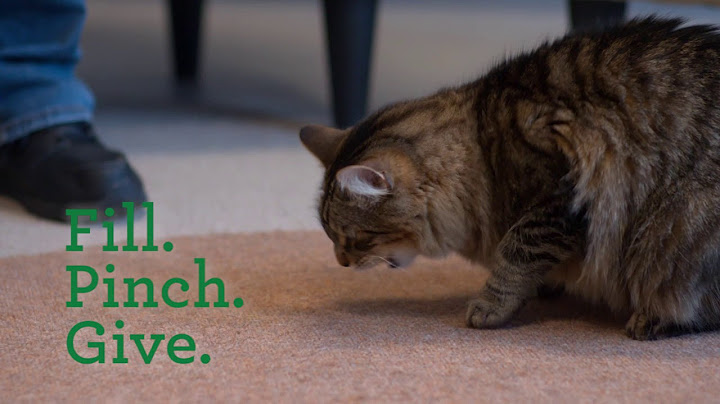
Offer the medication as a small separate bite Prepare the prescribed intact tablet and make a small, fully sealed treat. When the veterinarian permits, present it separately rather than mixing the medicine into a full bowl of food. A cat that grazes may leave half a meal unfinished, making it impossible to know whether the dose was taken. Stay nearby and watch the cat eat and swallow.
Afterward, check that a capsule or tablet has not been dropped. Be alert for a cat that chews the pocket and backs away suddenly from the taste. A rejected treat is a failed or uncertain dose, not evidence that the cat is “being stubborn.” Stop and reassess. Never give an extra prescription dose solely because you cannot locate the first one.
Keep medication time from creating food aversion Cats may remember a bitter taste or an unpleasant experience. Try not to hide pills in a large portion of the cat's main diet, particularly when the medicine's taste might contaminate it. Use a familiar, small food vehicle approved by the veterinarian and maintain calm handling. For some cats, separating the food hand from the medication hand helps keep the bitter tablet's odor off the outside of the treat.
If the cat repeatedly detects and rejects medication, report that pattern to the veterinarian. Ask whether the drug may be supplied in a different formulation or delivered by a professionally demonstrated method. Do not repeatedly force the cat to swallow the same bitter pocket or change dosage on your own.
When another method is safer Avoid pill pockets if the drug must be taken on an empty stomach, cannot be administered in food, or conflicts with the cat's diet. Cats with trouble chewing or swallowing require individualized veterinary advice. When direct pilling is needed, ask about safe technique and whether water or an approved food follow-up is needed to help the medicine pass into the stomach.
A veterinarian may recommend a liquid medication, a different pill size, or a device in some situations. These options require their own training and compatibility checks. This guide addresses choosing a feline treat; the general cat medication article explains the broader administration process, while the separate GREENIES page reviews one brand's label.
Frequently asked questions ### Can I hide every cat pill in a pocket? No. Food compatibility and instructions to keep the pill intact must be checked with the veterinarian or pharmacist. ### How do I know the cat swallowed it? Watch the cat finish the treat and check for an exposed or dropped pill. Ask the veterinary team if you cannot confirm the dose. ### Are cat pill pockets the same as dog pill pockets? No. Products may differ in portion size, formulation, and intended species. Use a feline-appropriate product after checking the ingredients. ### What if my cat refuses a medicated pocket? Stop and contact the veterinarian about another method. Do not automatically give a replacement dose or force the cat to eat. ### Can a cat with food allergies use pill pockets? Possibly, but only when the ingredients are compatible with the cat's diet and veterinary advice. Read the exact package label.
Related reading
How to Give a Cat a Pill: Food, Technique and Vet Help