Florida Iguana Hunting: Rules and Places to Check First
Understand Florida iguana hunting access, private property permission, designated public lands and restrictions to verify before making plans.
Florida Iguana Hunting: Rules and Places to Check First
FLORIDA WILDLIFE GUIDE • Editorial review: November 2, 2026 • US English
People researching Florida iguana hunting often find a simple statement that green iguanas are invasive and can be removed year-round. That statement leaves out the most important practical questions: where are you, who owns the property, what does the site's rulebook allow, and how will you comply with humane-treatment and safety requirements? This overview explains how to verify access and regulations without giving weapon, trap-setting or killing instructions. A permitted activity in one location is not an unlimited authorization across Florida.
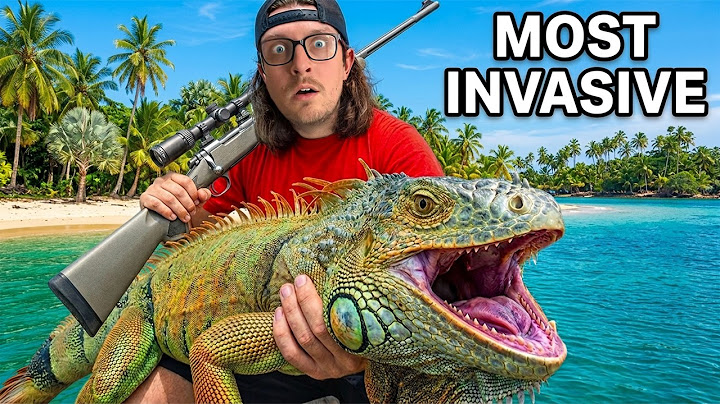
Why the word hunting can be misleading
Florida green iguanas are nonnative invasive reptiles. FWC says they may be humanely removed on private property with landowner permission, subject to anti-cruelty and other applicable laws. The agency also identifies specific Commission-managed public lands where removal is authorized under defined conditions. This does not mean every person has permission to hunt around roads, canal easements, beaches or city parks. Some online guides collapse species status, hunting-license questions, firearms regulations and private-property access into a single yes-or-no answer. They are separate legal issues.
Private land: written permission and boundaries
Before any wildlife-control activity on private land, establish who has authority to approve it. That may be a homeowner, business, HOA or another entity responsible for the parcel. Property lines around retention ponds and canal banks are particularly easy to misunderstand. A verbal invitation from a resident may not cover an adjacent public path or neighbor's yard. Keep written permission and follow local noise, discharge and safety ordinances. Even when FWC does not require a hunting license for a specified iguana-removal activity, unrelated laws and site restrictions still apply.
Public land: check the exact FWC list
FWC's green iguana profile identifies 32 Commission-managed public lands in South Florida where people may remove iguanas under specified conditions without a permit or hunting license for that activity. The list is not a blanket rule for every government-owned property. Before traveling, confirm that the exact site is listed, current visitor access is available, and any land-specific restrictions are understood. Do not assume an old blog post or map screenshot reflects the latest access. Parks managed by cities, counties or other agencies may follow entirely different requirements.
Equipment rules and public safety are separate checks
The fact that an invasive animal may be removed does not automatically authorize a particular device or method. Rules can differ based on property category, proximity to homes and roads, local ordinances and the type of activity. This article does not provide procedural hunting instructions or recommend weapons. The safest starting point is official property guidance and professional advice, especially near shared neighborhoods and waterways. Avoid any plan that creates a risk to bystanders, pets, vehicles or other wildlife. Anti-cruelty protections remain applicable.
Live possession, transport and release
Green iguanas are Prohibited species under Florida's regulated wildlife framework. FWC distinguishes humane removal at the point of capture from keeping or transporting a live animal. Certain live activities require permits or other specialized authorization. Releasing a captured animal into a new place is not an acceptable workaround and can spread invasive populations. Rules for commercial collectors and permitted transfers have their own requirements. If the proposed activity involves live holding, sale or movement, verify the current Chapter 68-5 framework before proceeding.
Avoid treating the February 2026 order as an ongoing rule
On January 30, 2026, FWC announced a temporary exception for collecting and delivering cold-stunned green iguanas to selected FWC offices on February 1 and 2. That exception expired. FWC confirmed on February 4 that it was no longer accepting live iguanas from the public under that program. It does not authorize routine transport or year-round drop-off. The broader property-based removal rules and limited public-land permissions are separate from this past emergency measure.
Where the hunting topic ends
A visitor who needs a current legal summary should use the Florida Iguana Capture Rules page. Someone asking whether they can earn money should read How Much Does Florida Pay for Iguanas?, which distinguishes private business arrangements from government programs. This page specifically owns the access-and-permission questions behind the phrase “Florida iguana hunting.” If a homeowner simply wants nuisance damage solved, a qualified wildlife-control operator may be more appropriate than attempting any activity independently.
Frequently Asked Questions
Do I need a hunting license for iguanas in Florida?
FWC describes specific private-property and designated public-land removal allowances without a hunting license, but location-specific and other rules still apply.
Can I hunt iguanas in any Florida park?
No. Confirm the exact FWC-managed land and its current conditions. City, county and other public lands are not automatically included.
Is permission needed on private property?
Yes. FWC's guidance refers to landowner permission, and additional local and safety requirements may also apply.
Can I release a captured live iguana somewhere else?
No. Live possession, transportation and release are regulated, and relocation can spread invasive wildlife.
Are iguanas exempt from animal-cruelty rules?
No. Florida anti-cruelty law still applies to nonnative reptiles.