Halloween Party Games Adults Can Set Up and Play
Pick Halloween games for adults with clear setup, supplies, player guidance and easy adjustments for different groups.
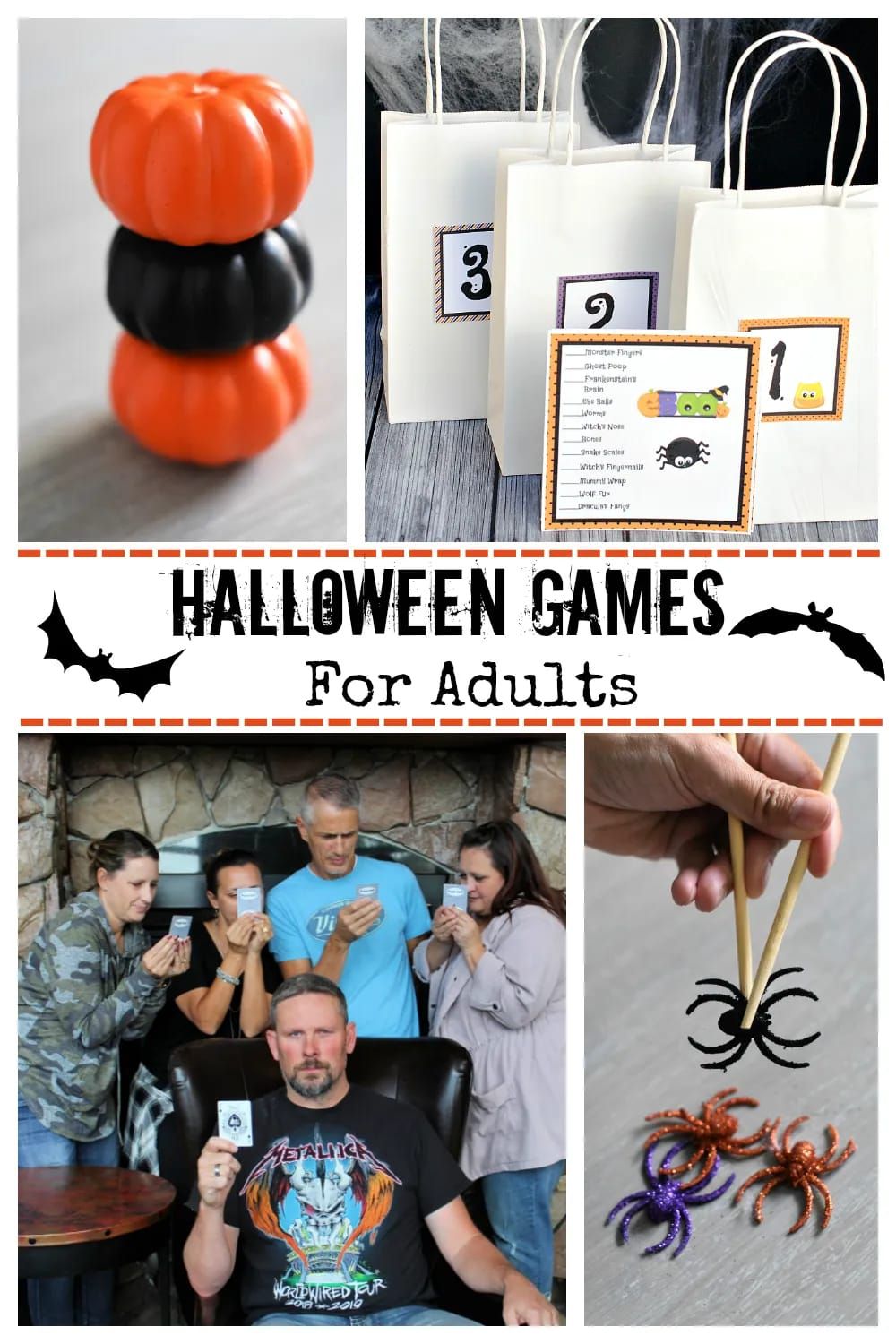
Good Halloween games for adults are easy to explain, fair to new players, and short enough to fit around conversation. Pick one icebreaker, one group challenge, and an optional mystery or trivia round rather than making guests play continuously. Below are complete sample rules, supplies, and timing suggestions you can run without buying a boxed party game. None requires drinking or performance on command.
Match the game to the room and the group
Trivia works at dining tables, team challenges suit an open living room, and a mystery can run in a quieter space where clues are easy to read. Decide whether players will participate individually, in pairs, or in small teams. Let everyone know that observing is welcome. Use large-print prompt cards where helpful and avoid activities based on running, touching strangers, or surprise scares. Make scoring visible so the rules do not change halfway through the game.
Games with ready-to-use instructions
Monster Movie Pitch — a fast icebreaker
Supplies: index cards, pens, and a timer. Players: roughly 4–16; no fixed team size needed. Each person draws two cards, one with a creature and one with an everyday location, such as “ghost” and “grocery store.” Give everyone two minutes to invent a movie title and one-sentence plot. Volunteers read their pitch in up to 30 seconds. For a competitive version, give each listener one vote for the most imaginative pitch; a tie is fine. For a no-pressure version, skip voting and simply enjoy the absurd combinations.
Haunted Headlines — cooperative wordplay
Supplies: paper, pens, and five spooky nouns written where everyone can see them. Players: teams of 2–5. Give teams four minutes to write a fictional newspaper headline and short caption using at least three nouns. Read the results aloud. Award one point for each required noun used correctly and one optional creativity point from a neutral judge. Keep the vocabulary friendly for your audience and never require embarrassing personal stories to win.
Halloween Trivia Relay — seated edition
Supplies: a prepared question sheet, answer cards, and a scorekeeper. Players: any number in teams of 2–4. Prepare three rounds with questions about broadly familiar traditions, fictional creatures, and seasonal imagery. Ask one question at a time, allow about 30 seconds of discussion, then collect written answers. Each correct answer scores one point. Change difficulty gradually and accept equivalent phrasing where reasonable. Verify any fact-based answer beforehand rather than inventing “official” trivia.
The Missing Prop — observation challenge
Supplies: a tray, six to ten safe household props, a cover, and paper. Players: individuals or pairs. Display the tray for 30 seconds, cover it, remove one object, and display it again. Players privately write which prop disappeared. Award one point for the correct item, then repeat with a new layout. For accessibility, read the prop names aloud and let participants answer from a printed list. Avoid tiny or sharp objects that can fall onto the floor.
The Mystery Envelope — a simple clue puzzle
Supplies: three envelopes, a short original story, and three written clues. Players: teams of 2–4. Write a harmless mystery such as “Which guest hid the plastic raven?” Give one clue per envelope, ensuring the solution can be deduced rather than guessed. Teams open the envelopes in sequence and have five minutes to submit an answer with a reason. Award a point for the answer and a point for using the clue evidence. Test the puzzle on one person before the party to catch contradictions.
Shadow Charades — optional performance game
Supplies: a stack of Halloween action prompts and a lamp placed safely away from fabrics. Players: two teams or everyone together. One volunteer acts out a simple prompt without speaking while others guess during a 45-second turn. A correct guess scores one point. Let people pass, act from a seated position, or describe clues instead. Avoid costumes or lighting setups that make movement hard to see.
Arrange games so guests can opt in and out
Begin with a 5–10-minute icebreaker, then save longer trivia or mystery rounds for the middle of the event. Put the supplies for one game in a labeled bin so you can reset quickly. Keep total structured play shorter than your main social time unless the invitation specifically promises a game night. For a mixed-age event, use the family games guide; for photo, craft, film, and other noncompetitive experiences, visit the adult Halloween activities guide.
Avoid common game-night problems
Do not surprise guests with rules involving alcohol, blindfolds, physical contact, or personal disclosures. Keep answer keys and judging decisions consistent. Announce a time limit so slow rounds do not consume the evening. Include a seated version or partner role where possible. If a game falls flat, end it politely and let guests return to the party rather than forcing another round.
A quick planning check
Rules, supplies, timing, and win condition are written down.
Questions and clues have been tested for clarity.
People can pass or play while seated.
A short optional game order is prepared.
No game depends on drinking or unsafe movement.
Explore a related guide
Choose the next guide based on the specific planning question you still need to solve.
For adult social formats and relaxed hosting, Adult Halloween Party Ideas: Food, Mood and Guest Flow
For creative stations without scoring or prizes, Halloween Party Activities for Adults Beyond Games
For mixed-age Halloween games with quick rules, Fun Halloween Games for Kids and Mixed-Age Groups