How to Plan a Halloween Party Without Last-Minute Chaos
Plan a Halloween party with a practical checklist for themes, food, decorations and a smooth event timeline.
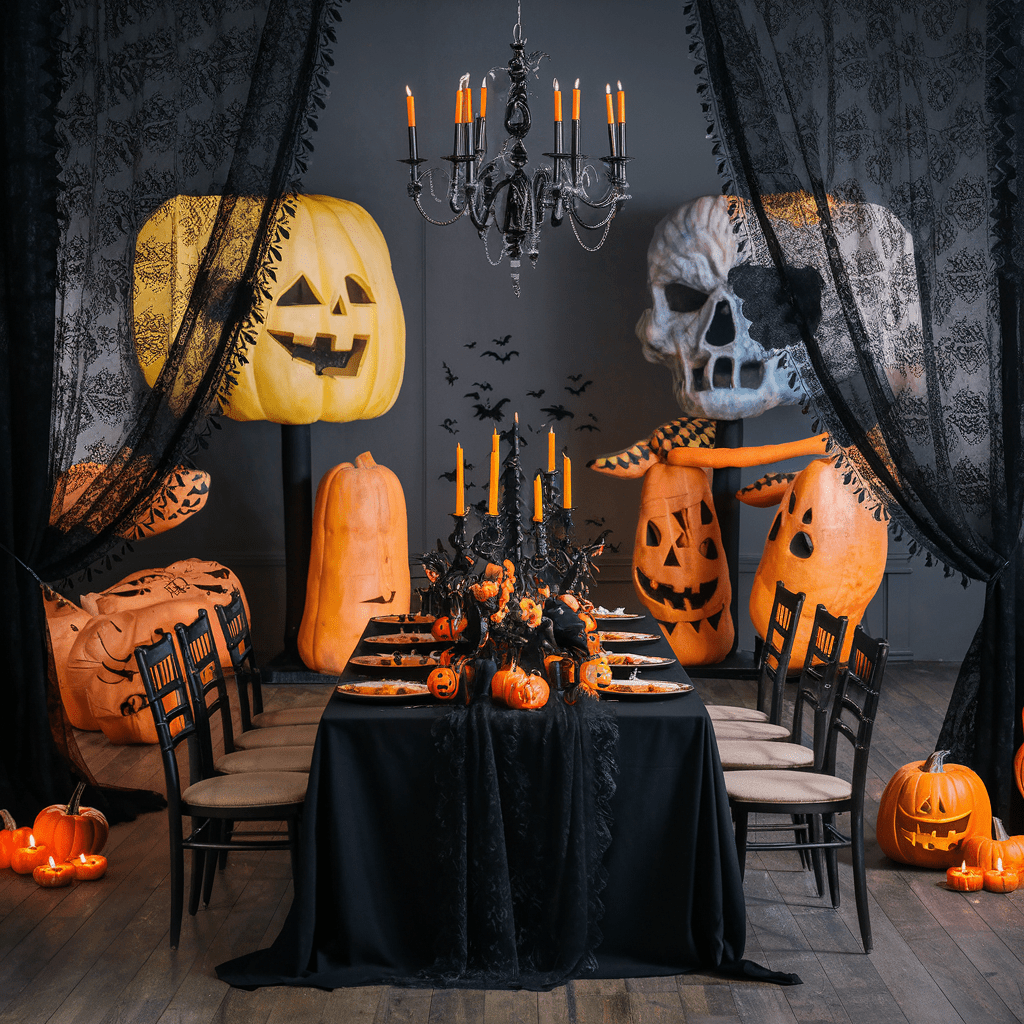
A successful Halloween party starts with a clear plan for people, space, food, and time. Pick the kind of gathering you can comfortably host, then organize the practical details around that choice. A simple checklist often does more for guests than another room of decorations. This guide covers the logistics for families, neighbors, or mixed-age groups; the linked topic guides handle games, themes, and specialized celebrations in depth.
Start with the guest list, venue, and budget
First decide whether this is an open house, a sit-down gathering, or a party with a defined start and finish. Count likely guests rather than people you hope might attend. Make a budget with separate amounts for food, supplies, decorations, and a small contingency. Walk through the venue from the front door: Where will coats go, where can guests sit, where is the restroom, and where will people wait for food? Leave walkways and exits unobstructed. For mixed ages, designate a quieter area and check whether children need separate supervision or seating. If guests have mobility needs, prioritize a straightforward route and seating over elaborate floor displays.
Plan the party without overplanning it
Two weeks out: establish the basics
Select the date and time, invite guests, ask about dietary needs, and decide how costumes will work. Tell people whether costumes are optional; that detail changes what they need to prepare. Create a shopping list from your proposed menu instead of browsing dozens of unrelated party ideas. Check how many chairs, serving bowls, extension-free lighting options, and trash containers you actually have. If the event uses a shared space, confirm the rules for sound, capacity, and cleanup.
One week out: test the flow
Choose where food will be served and whether people will gather in one room or circulate among zones. Draft a short schedule, but do not fill every minute. Assign one easy activity that can begin without a full group. Check that any outside pathway is well lit and that cables or decorations do not create trip hazards. Prepare a weather backup if guests will use a porch or yard. Buy nonperishable supplies now; save fresh food purchasing for closer to the event.
The day before: prepare stations
Label containers, set out serving utensils, clear an entry area, charge speakers, and group decorations by room. Put extra paper towels, waste bags, and cleaning supplies where they can be reached quickly. Pre-cutting shelf-stable decorations and arranging table settings reduces last-minute work. If you plan hot or chilled dishes, choose serving containers that can keep them at suitable temperatures and use smaller batches rather than leaving the whole supply on the table.
Party day: work backward from arrival
Start with tasks that must be done in an empty house: moving furniture, testing lighting, and protecting surfaces. Place snacks and drinks where guests can serve themselves without blocking the kitchen. Save temperature-sensitive food for the appropriate serving window. Leave enough time to change into your outfit, answer the door, and solve an unexpected problem without rushing. A host who is available to greet people is more useful than one completing a complicated centerpiece.
An example three-hour run of show
For a gathering starting at 6:00 p.m., welcome arrivals and serve light refreshments first. Around 6:30, offer an optional icebreaker or hands-on activity. Put the main food window next, followed by an unstructured period for conversation or photos. End with a relaxed closing activity and give guests an approximate finish time. These are sample slots, not mandatory rules; adjust for children, transit schedules, and your venue.
Inclusion and the unexpected
Include clear directions, a contact number for access questions, and information on stairs or parking where useful. Offer something enjoyable for guests who do not wear costumes or join group games. Keep a smaller indoor plan ready for poor weather. If a guest needs to leave early, the celebration should still make sense without requiring everybody to participate in one scheduled finale.
Choose one theme and a few program elements
Use a visual theme to connect invitations, table colors, and lighting, but avoid planning an entirely different event for each decoration idea. Decide which single entertainment element deserves advance preparation: a short game, an art station, or a group activity. If you want guests to arrive in costume, set that expectation in the invitation rather than springing a contest on them. The separate guides on party themes, adult activities, games, and costume-party hosting explain those choices without turning this checklist into an oversized catalog.
Avoid the hosting traps that create stress
Too many scheduled games can make a casual gathering feel like a school assembly, while elaborate food presentation can leave the host stranded in the kitchen. Keep high-traffic areas free of cords and displays. Use battery-operated candles near decorations instead of open flames, and keep exits clear. When serving perishable dishes, follow appropriate hot and cold holding practices; do not rely on appearance or smell to decide whether food left out for hours is safe. Build time for cleanup, not just arrivals.
A quick planning check
Invitation states location, hours, audience, and costume expectations.
Budget covers food, supplies, and a backup allowance.
Guests have clear routes to seating, food, and exits.
Food service and optional activities fit the schedule.
A simple weather or low-turnout fallback is ready.
Explore a related guide
Choose the next guide based on the specific planning question you still need to solve.
Adult Halloween Party Ideas: Food, Mood and Guest Flow • Halloween Party Themes: Decor, Music and Dress Codes • How to Host a Halloween Costume Party • DIY Halloween Carnival Games and Booth Setup • Fun Halloween Games for Kids and Mixed-Age Groups • Halloween Activities for Families, Parties and Classrooms • Things to Do on Halloween: Home and Outing Ideas