Easy Halloween Games for Families and All-Ages Parties
Find Halloween games for kids, teens and mixed-age parties, with simple supplies and ways to adjust for every group.
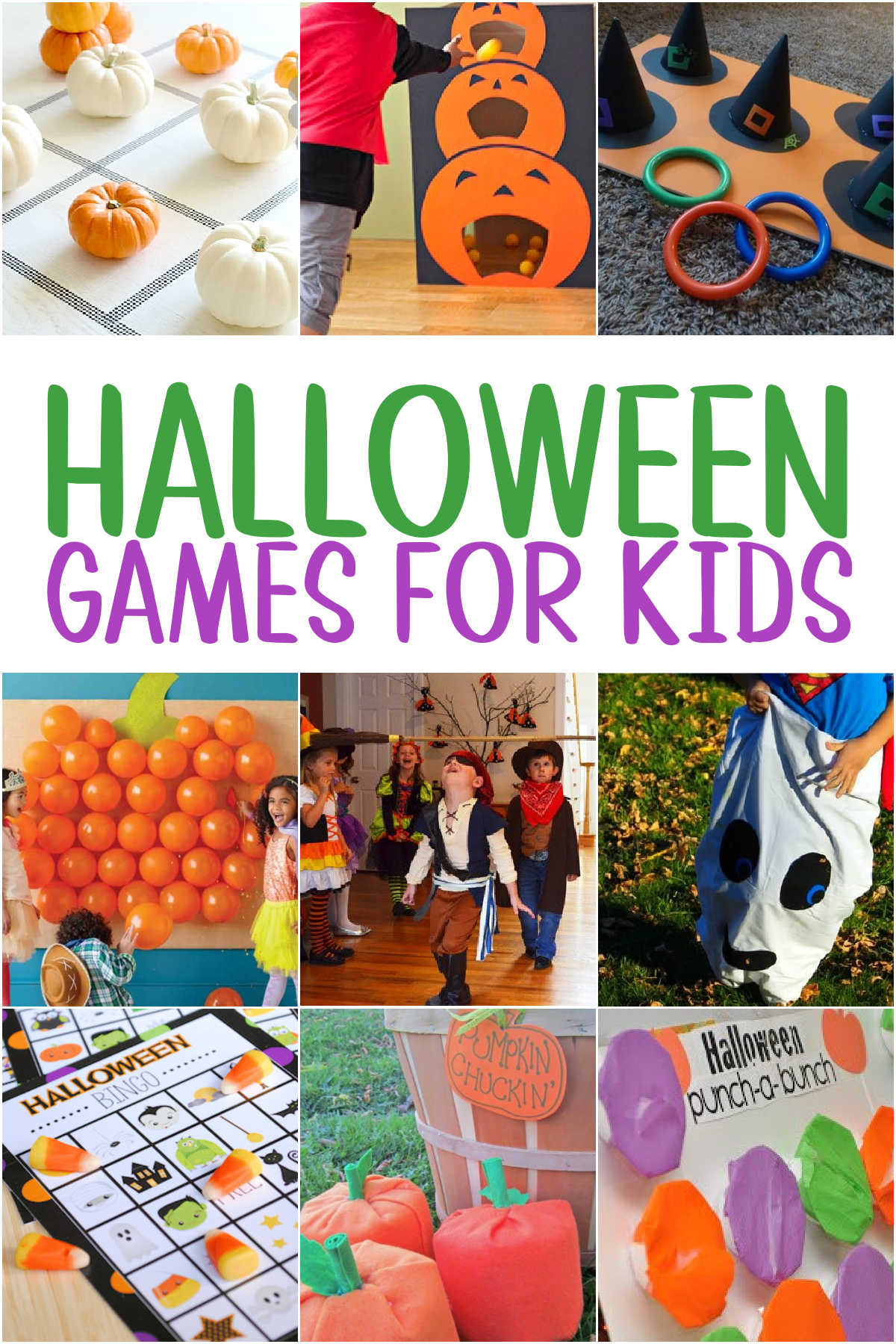
The best Halloween games for kids and mixed-age groups take only a moment to explain and offer more than one way to participate. Younger children often prefer simple recognition and movement, while older children enjoy clues and mild competition. A short mix of guessing, drawing, and cooperative challenges can include both without leaving anyone standing idle. Below are adaptable games for small parties, classrooms, or family gatherings—not full carnival booth construction plans.
Pick games that match the ages and energy levels
Begin with the youngest participants and work upward. Avoid very small game pieces around young children and explain whether an adult should supervise. If a group includes guests who cannot run or stand for long, choose seated guessing or drawing options rather than eliminating them from a race. Keep the game directions short and demonstrate one sample turn. A round should end clearly so children know when they may switch activities.
Mixed-age games with short rules
Pumpkin picture memory
Supplies: eight to twelve large picture cards of seasonal objects, paper, and pencils. Players see the cards for 30 seconds before you cover them. They list or draw as many objects as they remember. For younger children, use fewer cards and let them point at matching pictures instead of writing. For older players, ask for details such as colors or positions. Give everyone a second chance rather than sending them out after a mistake.
Silly monster drawing swap
Supplies: paper, washable markers, and a timer. Each participant draws a monster head for 30 seconds, then folds the paper to hide the head while leaving guide marks for the body. Pass the paper to the next person, who draws a torso, then repeat for legs. Unfold the drawings for a gallery of collaborative creatures. There is no winner. Younger children can draw freely without a timer, while older participants may invent names and habitats for the creatures.
Ghost gesture guessing
Supplies: cards with simple prompts such as “floating ghost,” “sleepy vampire,” or “witch mixing soup.” One volunteer acts out a prompt while the group guesses. Limit each turn to about 45 seconds, and let players pass without explanation. To include seated players, write prompts involving facial expressions or hand gestures rather than running. Older children can suggest more complex creatures after checking that everyone understands the references.
Find the missing pumpkin
Supplies: several large paper pumpkins with different expressions. Place them where everyone can see, ask players to look away, then remove one. Players name or point to the missing expression. Change the number of pumpkins by age. For a quiet variation, have everyone hold up a matching number card; for a more social version, allow pairs to discuss their answer. Avoid hiding pieces in unsafe or inaccessible locations.
Pass the spooky sound
Supplies: none, or a prompt list. One player makes a harmless funny sound such as a creaking door or rustling leaves. The next repeats the sound and adds another. Continue around the circle until the chain becomes wonderfully absurd. Younger participants can imitate only one sound, and children who prefer not to vocalize can make gestures instead. This is cooperative memory play; nobody needs to be embarrassed for forgetting a step.
Halloween story dice without dice
Supplies: three stacks of large cards: character, setting, and object. A group draws one card from each pile, such as “friendly bat,” “school library,” and “glowing key,” then creates a three-sentence tale. The youngest child can choose the ending by pointing to two picture options. Older players can add a plot twist. Keep stories age-appropriate and avoid requiring a child to describe real fears.
Run a balanced half-hour session
Start with a simple observation game while children settle in, follow with a collaborative activity that does not eliminate anyone, and finish with a short optional guessing game. Place supplies in separate bags and show what happens after each turn. Allow a quiet corner for participants who need a break. For very young children, use short rounds and predictable transitions; for older kids, add difficulty rather than lengthening every activity.
Keep competition friendly and optional
Do not award all prizes to the oldest or fastest children. If you use points, reward participation, teamwork, or clever ideas as well as correct answers. Soft props, unobstructed movement routes, and clear adult supervision matter more than theatrical surprises. If you need large independent toss stations, the carnival booth guide handles those. If you want craft projects rather than games, the Halloween activities guide is a better match.
A quick planning check
Supplies are large enough and appropriate for the youngest participants.
Every game has a seated or low-pressure option.
Instructions can be shown in one example turn.
Quiet and active activities are balanced.
No child must perform, be scared, or be eliminated to take part.
Explore a related guide
Choose the next guide based on the specific planning question you still need to solve.
For the next planning decision, Halloween Party Ideas: A Practical Hosting Plan
For repeatable neighborhood or school carnival booths, DIY Halloween Carnival Games and Booth Setup
For complete adult party game instructions, Halloween Games for Adults: Rules, Supplies and Timing