Halloween Party Themes You Can Build Around
Compare Halloween party themes and turn each into a cohesive look with decor, food, music and costume guidance.
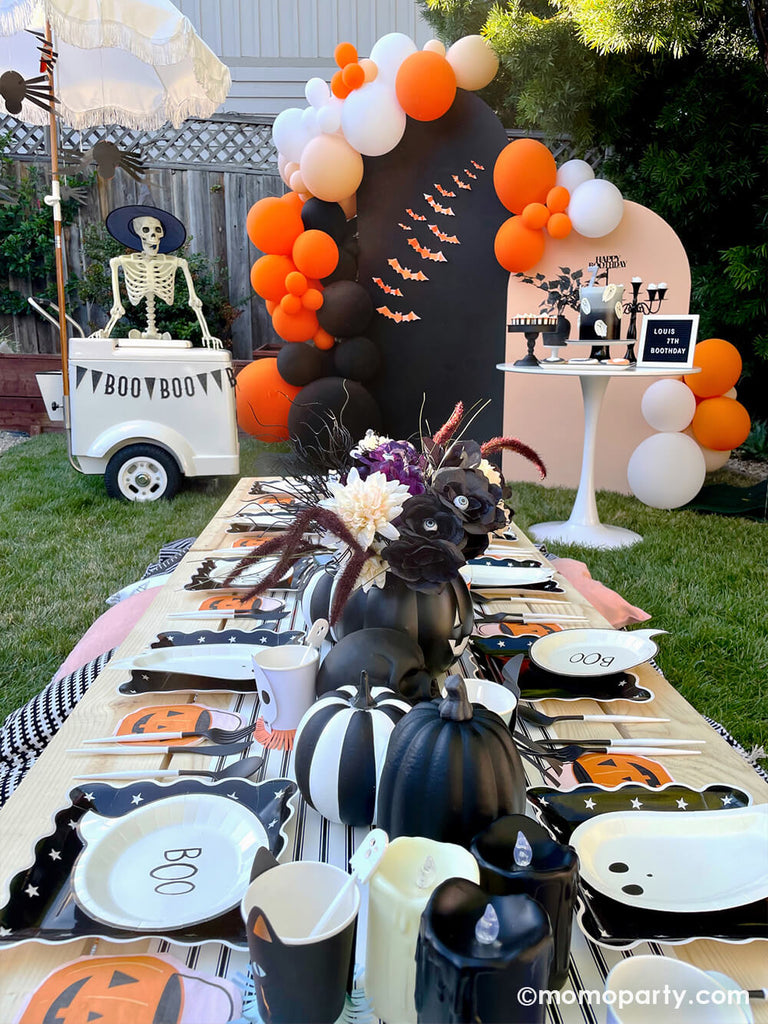
A Halloween party theme should tie the room together, not simply give the decorations a spooky name. Start with the mood your guests enjoy, then repeat a few visual decisions across invitations, lighting, music, table settings, and optional costumes. A coherent low-budget theme can look stronger than several unrelated expensive displays. The ideas below are design blueprints, not complete party schedules or instructions for making specific costumes.
Choose the mood before the decoration list
Ask whether your guests want unsettling, nostalgic, theatrical, playful, or family-friendly. Then decide how much space and money you can devote to that mood. Pick two core colors, one recurring shape or material, and a sound style. An existing room can become the centerpiece rather than something to conceal. For example, a dark bookshelf can support a gothic library, while a bright dining area can support a retro monster diner. The theme should still be recognizable after you clear the table to serve food.
Theme-by-theme styling blueprints
Gothic library: elegant and shadowy
Palette: charcoal, deep burgundy, and warm gold. Use book stacks you already own, paper ravens, removable silhouette cutouts, and low battery-powered lanterns. Send invitations styled like library checkout slips. Serve drinks with vintage-looking paper labels and simple dark napkins. Choose atmospheric instrumental music rather than sudden screams. The costume note can be “dark academia or your favorite fictional librarian,” but attendance need not depend on elaborate clothing.
Retro monster movie night: colorful and funny
Palette: teal, orange, and black, with a limited number of bold monster portraits you have permission to display. Create original B-movie-style signage, table cards shaped like admission tickets, and a photo wall with hand-lettered titles. Old-fashioned popcorn cups or snack bowls fit the theme. Soundtrack choices can lean toward playful surf-rock-inspired instrumentals without needing a particular copyrighted song list. Invite guests to dress like vintage filmgoers, monsters, or neither.
Moonlit botanical garden: mysterious but gentle
Palette: midnight blue, sage, and silver. Use paper leaves, moon shapes, and safely arranged faux vines rather than real plants with unknown toxicity. Place battery-powered star lights behind the dining table instead of near doorways. Offer herbal-style drinks with accurately labeled ingredients and a citrus-forward menu. This theme suits people who prefer a dreamy atmosphere over realistic gore or jump scares.
Haunted hotel: theatrical and flexible
Palette: cream, faded red, and brass tones. Give each food station a fictional room number, create a front-desk guestbook for optional signatures, and post playful directional signs. Use vintage-style luggage or ordinary suitcases as display props only where they will not obstruct movement. Guests may wear concierge outfits, mysterious travelers, or comfortable everyday clothes. Keep the narrative clear but optional; no one should need to solve a complicated story to find the restroom.
Pumpkin patch picnic: low-spook and family-friendly
Palette: rust, cream, and olive green. Use paper pumpkins, plaid fabric already at home, and small woven baskets on stable tables. Serve simple fall snacks and put creative name cards at seats. Folk-like instrumental music and bright lighting keep the tone welcoming. This can work indoors even if the weather is too wet or cold for an outdoor party. Skip open flames near paper decorations.
Black-and-white phantom ball: dramatic minimalism
Palette: monochrome with a single metallic accent. Use cut-paper arches, striped place cards, and one fabric backdrop; let contrast provide most of the visual impact. A few elegant table pieces are enough. Guests can wear any black-and-white clothing, not necessarily formalwear. Keep the invitation dress code friendly to people who may not own party costumes or special shoes.
Make the theme work across five touchpoints
Write the theme name and two key colors on a planning sheet. Then check the invitation, entrance, food presentation, music, and costume guidance. Each should share at least one recognizable element without becoming an exact copy. For example, the moonlit garden uses silver stars on invitations, blue lighting, leaf-shaped food labels, soft music, and an optional celestial dress code. Spend on the items guests see and use rather than hidden corners.
Keep theme execution realistic
Choose reusable pieces that can store flat and reappear at future events. Battery-powered lighting is more adaptable around fabrics, and decorations must not narrow routes or cover exits. Do not overload the soundtrack with sudden loud effects, especially around children or people sensitive to noise. For an event focused on costume contests, the costume-party guide handles invitations and judging; for schedules and guest logistics, the general planning guide does the rest.
A quick planning check
A clear mood and two or three visual motifs are defined.
Invitations, decor, and food share a coherent look.
The music and optional dress code fit the audience.
Decorations keep walkways and exits clear.
The theme can be executed with the space and budget available.
Explore a related guide
Choose the next guide based on the specific planning question you still need to solve.
For the next planning decision, Halloween Party Ideas: A Practical Hosting Plan
For invitations, judging, and optional costume awards, How to Host a Halloween Costume Party
For adult social formats and relaxed hosting, Adult Halloween Party Ideas: Food, Mood and Guest Flow