Halloween Creatures and Ghosts: Symbols and Story Origins
Meet the ghosts, witches and creatures associated with Halloween and see how folklore helped shape familiar spooky symbols.
Halloween Creatures and Ghosts: Symbols and Story Origins
Ghosts, witches, bats, black cats and fictional monsters give Halloween its visual shorthand. Yet the stories behind them come from different times and traditions. Understanding those distinctions makes a Halloween display more interesting than simply adding every creature to the same spooky backdrop.
Classic Halloween Creatures
Ghosts suggest the idea of an unseen visitor, so a white fabric shape reads instantly even without elaborate effects. Witches carry associations ranging from European folklore to modern fantasy. Vampires and werewolves entered popular Halloween imagery through literature, film and long-lived storytelling traditions. A creature does not need a single agreed origin to be meaningful in modern culture.
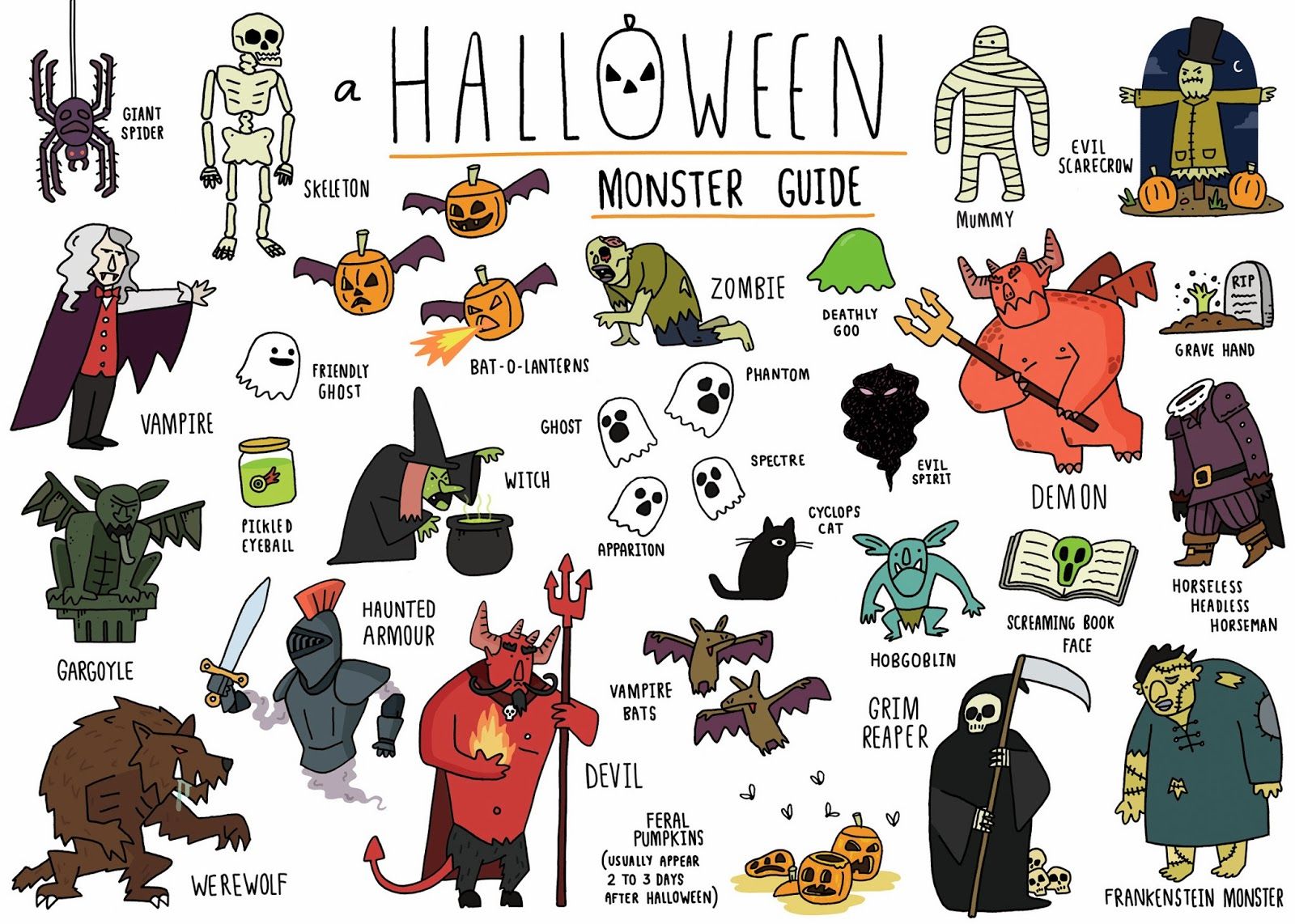
A creature-themed display can be arranged as four mini-stories. Put a bat silhouette next to a note about real animals active at night; place a ghost cutout beside a two-sentence fictional story; add a black-cat illustration with a reminder that real cats are not omens; and finish with a fictional vampire under a small paper moon. Each station needs only one fact or story prompt. This approach keeps imaginative play separate from misinformation and makes the display useful for families who want an activity as well as decoration. If using real wildlife photos, select appropriately licensed images and add accurate descriptions.
Why Ghosts Became Halloween Symbols
Ghost imagery fits a holiday associated with nighttime, memory and stories about the supernatural. But the familiar sheet ghost is only one way artists depict spirits. Cultural beliefs about ancestors, spirits and the dead differ widely; avoid treating any living culture’s beliefs as interchangeable party props. For an approachable display, paper silhouettes and illustrated storytelling cards work well.
Folklore Versus Pop Culture
Folklore is not the same as a movie universe. Modern versions of vampires may wear capes, while older stories describe many forms of the undead. Black cats can symbolize fear in some Western Halloween imagery even though they are ordinary pets. Describe those differences, especially when explaining traditions to children.
Decorations and Storytelling
For decorations, choose three creatures rather than mixing ten visual styles. A “midnight library” could pair paper bats, old-book silhouettes and a friendly ghost; a woodland theme could use moon shapes and animal cutouts. Let each creature introduce a small story. If you need precise outfit instructions, use a costume guide instead.
For a small educational table, put out four picture cards: a bat, ghost, black cat and fictional vampire. Under each, write two lines: “What we see today” and “Where this image often comes from.” The bat card can explain a real nocturnal animal; the vampire card can point to stories and literature. Children can sort cards into real animals and fictional characters before inventing their own legend.
For a storytelling game, ask guests to select a creature and change only one familiar trait. A shy ghost might leave polite notes rather than making noise; a vampire might be afraid of bright stage lights because it wants to be an actor. The activity encourages imagination while leaving actual historical claims outside the fantasy. It also avoids framing real wildlife as dangerous or evil.
A useful way to apply these ideas
Make one small version first, then adjust it for your audience, space and resources. The following checks are specific to this topic; use them as a short planning pass instead of assuming every example fits every situation.
Practical takeaways
Choose one folklore theme for a coherent display.
Explain that modern film imagery differs from older stories.
Avoid attributing beliefs to every culture.
Use gentle visuals for children and stronger imagery only where welcome.
Are black cats actually unlucky? No. They are animals; the superstition is a cultural story, not a fact about cats.
Related Halloween guides