Halloween in America: Traditions, History and Celebration Ideas
Learn when Halloween is celebrated, where its traditions came from, and how Americans mark the holiday with costumes, candy and gatherings.
Halloween in America: Traditions, History and Celebration Ideas
Halloween in the United States falls on October 31 each year. It combines old seasonal customs with modern neighborhood traditions, from pumpkin carving to community costume events. There is no single correct way to celebrate: a thoughtful plan depends on who is attending, how much space is available and whether the evening revolves around children, adults or a mix.
When Halloween Is Celebrated
October 31 is the fixed date; the weekday changes each year. In 2026, it falls on Saturday. Families sometimes hold school parties or neighborhood gatherings on a different day, but that does not change the holiday itself. Check local trick-or-treat hours rather than assuming they are identical nationwide. If an event is weather-dependent, keep an indoor alternative ready.
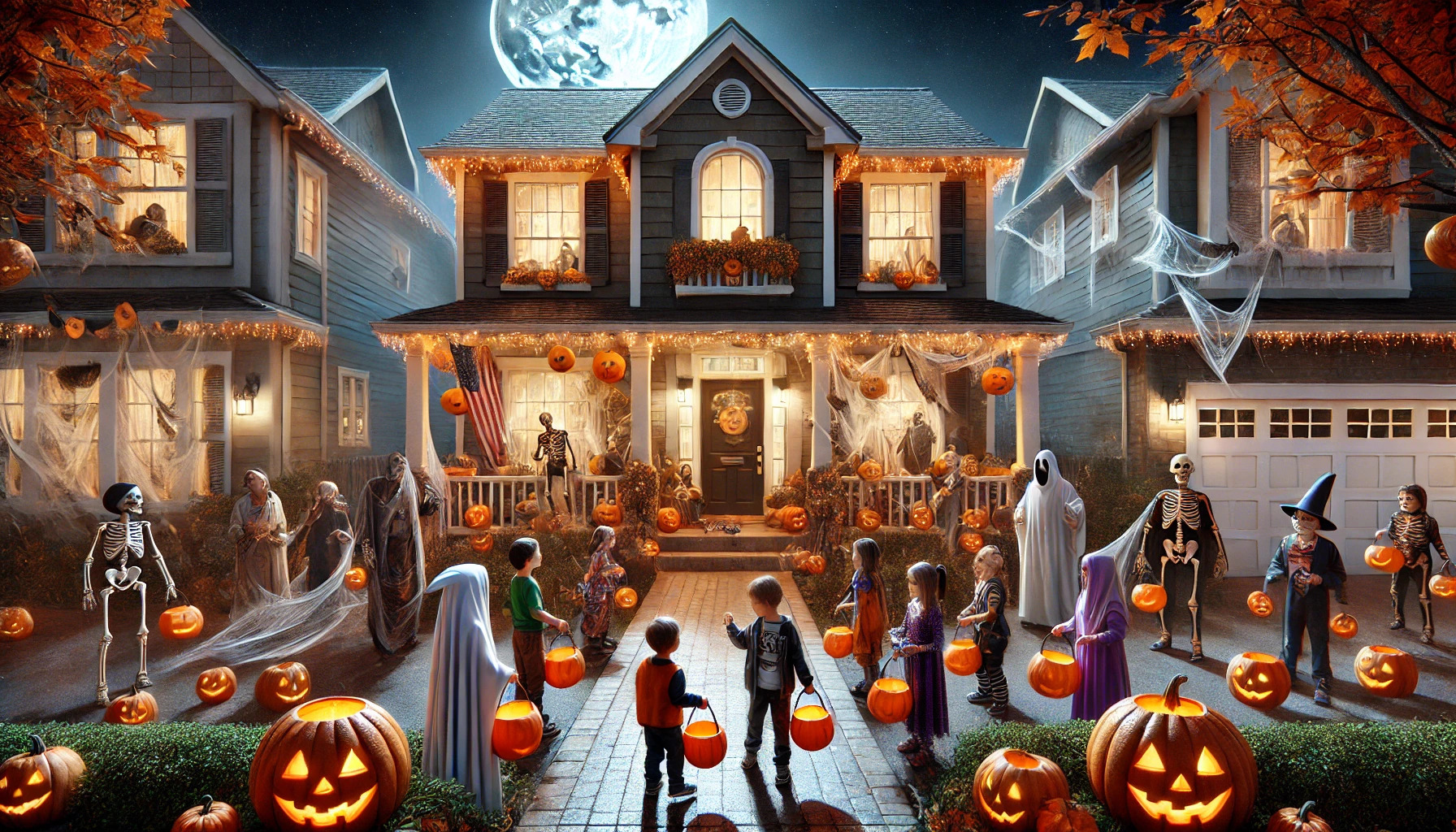
For a simple October 31 evening, begin preparation before sunset. Clear the front step, place a stable light source in an appropriate location and decide which area of the home is open to visitors. If you are hosting guests indoors, offer a designated place for coats and a quieter seat away from loud decorations. If trick-or-treaters are expected, avoid putting the treat station where it blocks the path. The holiday can be enjoyable even with a modest setup: one welcome sign, a small snack area and a brief shared activity are enough. Plan cleanup as part of the evening instead of waiting until everyone is tired.
How the Holiday Developed
The story of Halloween has several strands. Samhain is commonly discussed in connection with older Gaelic seasonal observances; All Hallows Eve refers to the evening before the Christian observance of All Saints Day. Present-day Halloween is not a straightforward survival of one ancient ritual. The holiday evolved over centuries, and some popular claims about its origins are more certain-sounding than the historical evidence supports.
Traditions Across the U.S.
American Halloween celebrations often include costumes, jack-o-lanterns, porch decorations, classroom festivities, haunted attractions and trick-or-treating. Participation varies by neighborhood and family. Hosts can offer a non-food treat alternative, keep pathways clear and arrange a comfortable space for anyone who prefers a quieter celebration. There is no requirement to buy elaborate props.
Planning a Halloween Celebration
Start with a decision rather than a shopping list: is this a doorstep handout, a small dinner or a larger party? Decide the audience, budget and time. For a home gathering, choose one visual focal point, a few snacks and two short activities instead of building an elaborate schedule nobody follows. For outdoor participation, plan safe lighting, a clear entryway and a weather backup.
For a low-cost neighborhood plan, set a modest budget and split it into three buckets: entryway lighting, treats or alternatives, and one optional activity. Reuse household containers and choose paper decorations that can be recycled. Put the host’s phone number and important neighbor information somewhere accessible. If your street does not normally host trick-or-treating, do not promise that visitors will arrive at a certain hour.
Explore Specific Halloween Guides
A good Halloween hub helps visitors navigate to the specific answer they want. Someone looking for a quiz needs a different page from someone planning workplace decorations or a costume. Explore the specialized guides below, including history, jokes, trivia, party activities and costume plans. Keep film-franchise watch orders separate from the history of the holiday itself.
A school, family and adults-only gathering should not share an identical schedule. Schools may emphasize short supervised activities, families may prefer an early evening walk, and adults might plan a meal or film. If you have mixed ages, provide an early family phase and a later quieter phase. That change of pace makes the celebration flexible without requiring separate parties or duplicate pages about the same holiday.
A useful way to apply these ideas
Make one small version first, then adjust it for your audience, space and resources. The following checks are specific to this topic; use them as a short planning pass instead of assuming every example fits every situation.
Practical takeaways
Choose the celebration format before buying decorations.
Confirm school, venue or neighborhood rules locally.
Put walkways, visibility and participant comfort ahead of elaborate effects.
Use the targeted guides for games, makeup, costumes and movie night.
Is Halloween always on October 31? Yes. Events may be scheduled on other dates, but the holiday date stays October 31.
Related Halloween guides
Halloween facts that explain the traditions we know
How many days until halloween dates and easy countdown ideas
Halloween spirit week ideas for schools and offices
Halloween creatures and ghosts
Halloween jokes for parties, classrooms and trick-or-treating