Halloween Door Decorating Contest Ideas and Fair Rules
Run a Halloween door decorating contest with theme prompts, fair judging, clear rules and an easy setup schedule.
Halloween Door Decorating Contest Ideas and Fair Rules
A Halloween door decorating contest needs clear rules before anyone begins crafting. Without consistent size limits, judging criteria and cleanup deadlines, a lighthearted team activity can become expensive or unfair. This guide is for schools and workplaces organizing the contest—not for choosing a decorative wreath.
Contest Theme Prompts
Offer a few broad prompts: “friendly haunted library,” “pumpkin patch,” “movie night without copyrighted posters,” or “monsters at work.” Teams may choose their own idea within the same rules. Encourage paper, fabric and reusable shapes; forbid open flames, dangling electrical cords and anything that covers required signs or emergency hardware.
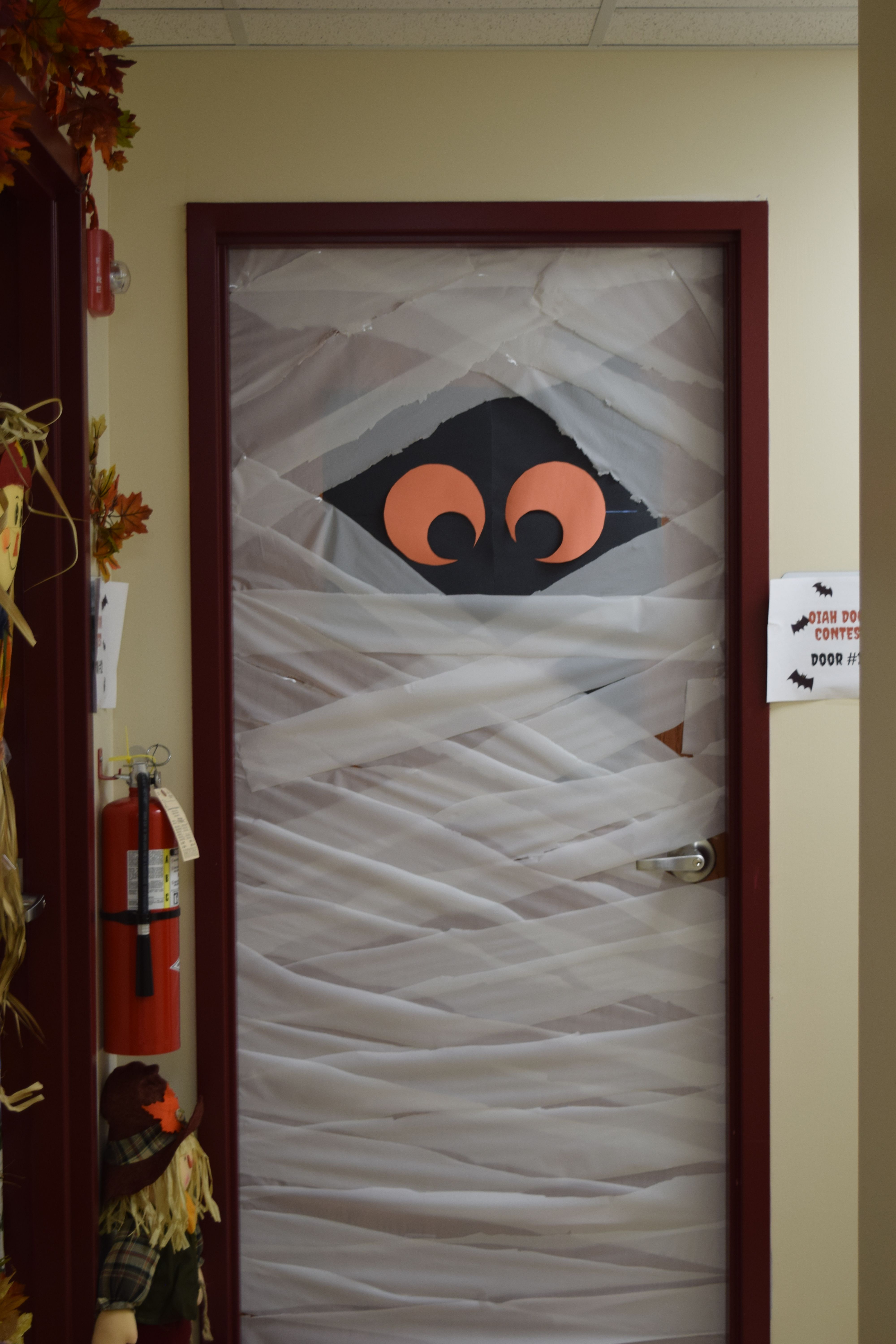
If twelve classroom doors compete, divide the judging into two short visits. On the first pass, verify compliance with rules and flag anything that needs adjustment. On the second, score the approved designs consistently. Publish points for creativity, clarity, neatness, safety and reuse in advance. Give judges a printed rubric so they can record observations instead of relying on memory. A popular vote can supplement, but should not replace, the shared criteria. Set a specific removal date and provide safe disposal or recycling options for paper displays. The project should leave school hallways as functional as they were before decorating.
Setup and Safety Rules
Give every team the same work period, a spending cap and a clearly defined door area. State whether surrounding wall space counts. Prohibit drilling and adhesives that damage property. If the building requires a fire-safety review or facilities approval, obtain it before the project begins rather than after decorations are installed.
A fair contest announcement might say: “Teams may decorate the assigned door panel using removable materials. No purchased prop over the agreed budget, no covering fire signage or hardware, and no extension cords. Entries will be reviewed Friday against creativity, clarity, craftsmanship, safety and reuse.” Clear phrasing prevents disputes at judging time and gives creative teams a useful boundary.
Judging Rubric
Use a simple 100-point rubric: creativity 30, theme clarity 25, craftsmanship 20, accessibility and safety 15, and sustainability 10. Publish the rubric with the announcement. Judges should visit doors at approximately the same time and not change criteria after seeing entries.
Inclusive Awards
Offer inclusive awards such as “most imaginative use of paper,” “friendliest welcome” and “cleverest reuse of materials.” These let more teams be recognized without shaming anyone. Make voting optional, prohibit photographing students without permission and provide a non-decorating role for people who prefer not to craft.
Timeline and Cleanup
Suggest a five-day schedule: announce rules Monday, sketch Tuesday, create Wednesday and Thursday, judge Friday, then remove everything by an agreed deadline. Assign cleanup responsibility in advance and inspect door hardware afterward. A well-run contest should leave the building exactly as accessible as before.
When judges walk the hallway, have them record points separately before discussing results. Otherwise a popular team or dramatic display may sway the entire panel. After scoring, share positive comments for every entry rather than only naming the winner. The next year’s contest improves when people know what worked and that taking part did not require expensive materials.
A useful way to apply these ideas
Make one small version first, then adjust it for your audience, space and resources. The following checks are specific to this topic; use them as a short planning pass instead of assuming every example fits every situation.
Practical takeaways
Publish theme, budget, permitted area and deadline together.
Use a written rubric before judging.
Check emergency signs, door hardware and accessibility.
Plan removal and cleaning before the contest starts.
Should a school judge Halloween doors by popularity? A published rubric is fairer; popularity voting can be an optional secondary award.
Related Halloween guides