Hamster Types: How the 5 Common Pet Species Differ
Compare Syrian, Chinese, Campbell, winter white, and Roborovski hamsters by size, behavior, habitat, and handling needs before choosing a pet.
Hamster Types: How the 5 Common Pet Species Differ
Hamsters are not all the same animal in different colors. Five species are commonly kept as pets: Syrian, Chinese, Campbell's dwarf, winter white dwarf, and Roborovski dwarf hamsters. They differ in body shape, activity, handling preferences, and how easily their identity can be confirmed. Every one of them needs a large, secure enclosure, deep bedding, an appropriate exercise wheel, hiding places, and time to behave like a hamster rather than a miniature lap pet.
Knowing the species helps you plan suitable equipment, but it is not a shortcut to predicting personality. A confident Chinese hamster may welcome calm interactions; a Syrian may prefer being left alone. Individual behavior and past experiences matter as much as the species label on a pet-store card.
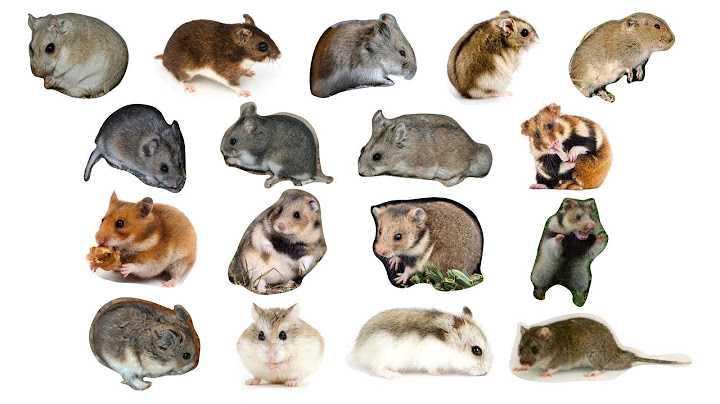
The five common pet hamster species at a glance
Syrian hamster (Mesocricetus auratus): Typically the largest familiar pet hamster, with many coat colors and hair types. Syrians live alone and need roomy accommodation, deep burrowing space, and a wheel that allows a straight back.
Chinese hamster (Cricetulus griseus): Slender-bodied with a comparatively noticeable tail. Chinese hamsters are not members of the same genus as Campbell's, winter white, or Roborovski hamsters, even when stores call them 'Chinese dwarf hamsters.'
Campbell's dwarf hamster (Phodopus campbelli): A small, rounded hamster sometimes confused with the closely related winter white. Appearance alone may not establish an individual animal's ancestry.
Winter white dwarf hamster (Phodopus sungorus): Another small Phodopus hamster, associated with seasonal coat changes in natural conditions. Pet-line coat colors and indoor lighting can make that clue unreliable.
Roborovski dwarf hamster (Phodopus roborovskii): Exceptionally small and fast. Many are more comfortable with a predictable, hands-off observation routine than frequent handling.
These are different species, not five interchangeable 'breeds.' Pet-industry descriptions may use breed informally. That wording should not obscure meaningful welfare needs or the possibility of mixed ancestry in some dwarf lines.
Does species determine which hamster is friendliest?
No reliable species ranking can tell you whether one particular hamster will be friendly. Syrians are often easier for an adult to support securely because of their larger body size, but a larger hamster can still be frightened or bite when startled. Roborovskis frequently move very quickly and can be difficult to handle safely. Chinese and Phodopus hamsters vary enormously in confidence.
A better selection test is to observe the hamster at its normal active time. Does it investigate calmly when people approach? Can it choose to retreat to a hide? Has it been handled gently, and is the seller able to explain its daily routine? Never wake an animal repeatedly for a daytime demonstration; hamsters tend to be active in the evening and overnight.
Space, bedding, and wheel fit matter more than a 'starter cage'
Small cages marketed by species or price can be unsuitable. The same welfare principle applies across the five types: prioritize continuous floor space over disconnected plastic levels and tubes. Major animal-welfare guidance uses approximately 100 by 50 centimeters (about 39 by 20 inches) as a baseline floor area, with additional space welcome. A secure, ventilated enclosure with enough depth for substantial burrowing bedding is the practical starting point.
Choose paper-based or other low-dust, hamster-safe bedding that supports tunnels, and avoid fluffy nesting wool that can entangle limbs. Add several hides and scatter some of the normal diet to invite foraging. An upright, solid-surface wheel must be large enough that the animal runs without arching its back; select by the actual hamster, not a generic label such as 'dwarf size.' Keep water accessible and check the supply every day.
An exercise ball is not a substitute for supervised enrichment. Hamsters cannot freely choose when to stop, hide, or drink while trapped inside one, which is why animal-welfare groups advise against them.
Can two hamsters live together?
Housing hamsters alone is the safer default for a household pet. Syrian and Chinese hamsters should not be paired in domestic enclosures. Some dwarf hamsters may tolerate same-species company under limited circumstances, but conflict can escalate abruptly and cause serious injury. Beginners should not buy two animals on the assumption that a pair will be happier. Mixed-sex housing also risks rapid breeding. Ask a rescue or an experienced small-mammal veterinarian about any exceptional arrangement rather than relying on general internet advice.
How to choose responsibly
Start by checking that you can supply suitable floor space, bedding, food, veterinary access, and a quiet location for an animal that may remain active while you sleep. Look for a rescue or knowledgeable provider who can identify the species as carefully as possible and discuss uncertainty openly. Check the animal's eyes, breathing, movement, and general condition, but do not attempt to diagnose disease from a visual check.
Plan for an individual, not a stereotype. A hamster can be a fascinating companion for watching natural digging, hoarding, and exploring behaviors even if it never enjoys being picked up. Children require adult oversight; these are delicate prey animals, not toys.
Which guide should you read next?
If you are researching one species, use its dedicated profile for details. A Chinese hamster needs a different identification discussion from a Campbell's hamster, and the name Djungarian requires special care because it can refer to more than one dwarf species. The Roborovski profile explores the especially small, speedy hamster. For equipment, a separate dwarf-hamster enclosure guide can help you plan space and safe furnishings.
Frequently Asked Questions
What are the five most common types of pet hamsters?
They are Syrian, Chinese, Campbell's dwarf, winter white dwarf, and Roborovski dwarf hamsters. More hamster species exist in the wild, but these five are the ones most often discussed in companion-animal care.
Are dwarf hamsters a single species?
No. 'Dwarf hamster' is a convenient informal label, not the scientific name of one species. Campbell's, winter white, and Roborovski hamsters are three different Phodopus species; Chinese hamsters belong to another genus.
Which hamster is easiest for beginners?
A calm individual with a responsible source and suitable housing is more important than a universal species ranking. A Syrian's larger size can help with safe handling, but all hamsters need patience and competent adult care.
Can a hamster learn to like being handled?
Some gradually accept a hand when they are awake, able to retreat, and rewarded for voluntary investigation. Others prefer little handling. Never grab a hamster from above or force an interaction.
Do all hamster types need a wheel and deep bedding?
Yes. Burrowing and running are normal hamster behaviors. The wheel needs a solid running surface and a suitable diameter, while bedding must be deep and stable enough for digging. Size and setup should fit the individual animal.
Related hamster care guides
Explore the following related topics for more specific, non-overlapping advice: