Djungarian Hamster: Understanding the Name and Care
What does Djungarian hamster mean? Understand winter white versus Campbell dwarf hamsters, naming confusion, and basic safe pet care.
Djungarian Hamster: Understanding the Name and Care
A Djungarian hamster is usually presented as a small Russian dwarf hamster, but the name is not as precise as many pet advertisements suggest. In scientific and popular sources, 'Djungarian' or 'Dzhungarian' has been applied to the winter white dwarf hamster (commonly Phodopus sungorus) and, in some contexts, to Campbell's dwarf hamster (Phodopus campbelli). Those are closely related but distinct species in traditional classifications. An accurate care article must explain the ambiguity rather than treating every animal sold under the name as genetically identical.
If you already have a hamster sold as Djungarian, there is no need to panic or guess its identity from a single photograph. Focus first on providing a safe hamster habitat, appropriate feeding, and access to a veterinarian who treats small mammals. Identification uncertainty should be recorded honestly, not hidden behind a confident-looking label.
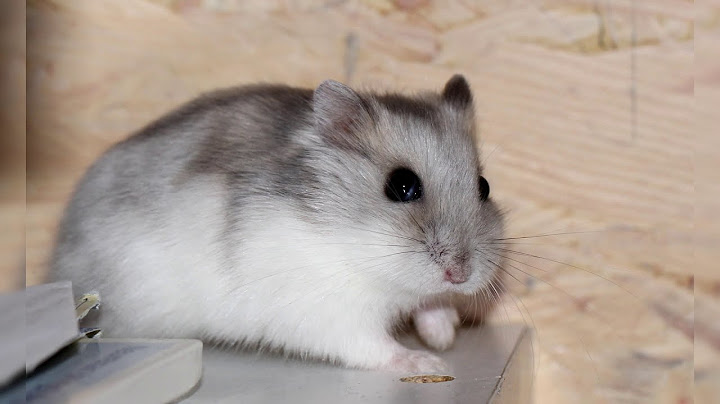
What does Djungarian hamster actually mean?
The term comes from the geographic name Dzungaria, a Central Asian region associated with the historical naming of small hamsters. Different writers adopted the common name differently, and that inconsistency carried into pet-trade descriptions. Some taxonomic databases explicitly warn that 'Djungarian hamster' can refer to either winter white or Campbell's hamsters. Modern taxonomic treatments sometimes revise genus names, but the familiar names Phodopus sungorus and Phodopus campbelli remain widely recognizable in pet-care resources.
For most casual searches, people are asking about winter white dwarf hamsters. Yet it would be inaccurate to state that no source has ever used Djungarian for Campbell's. When comparing scientific information, the species name is more reliable than the common-name label alone.
Winter white dwarf hamster: the familiar interpretation
Winter whites have a compact shape, short tail, and furry feet. Wild populations can undergo seasonal coat changes, becoming paler when daylight hours shorten. This adaptation helps explain the name 'winter white,' but not every pet hamster changes visibly. Artificial lighting, coat varieties, and breeding history may alter the appearance and timing of a molt.
Do not intentionally chill or stress a hamster to try to provoke a white winter coat. A pet's wellbeing is far more important than observing a seasonal color change. Sudden inactivity or a cold, unresponsive hamster is not a fun experiment; it calls for urgent professional advice.
Campbell's dwarf hamster: why the labels overlap
Campbell's hamsters can resemble winter whites in size, body form, and dorsal striping. Historically, the two were sometimes grouped together in scientific discussions; they are now normally discussed as different species in companion-animal guides. This history helps explain why older articles, stores, and hobbyist descriptions use overlapping names.
Pet-line crossbreeding and uncertain records further complicate the situation. A hamster described as 'Russian dwarf' might be a Campbell's, winter white, or one of uncertain ancestry. Coat markings, perceived temperament, and body shape can suggest possibilities but are not definitive proof. A responsible seller should explain the limits of its identification.
Can you identify a Djungarian hamster from a photo?
A photo may help rule out obvious alternatives, but it cannot reliably establish lineage. Lighting changes coat color, posture alters apparent proportions, and markings vary between individuals. Even when two hamsters look alike, that does not establish that they belong to the same species or are safe to house together. Genetic information, provenance, and specialist knowledge are more useful when species verification truly matters.
For a household pet, do not let a naming dispute displace more important observations: Is the animal alert when naturally awake? Is it eating normally? Does its habitat provide enough room to burrow, hide, and run? Does it show signs of stress during forced handling?
How to care for a hamster sold as Djungarian
Whatever the exact label, provide a spacious and secure enclosure. A continuous floor space around 100 × 50 centimeters (roughly 39 × 20 inches) is a useful welfare benchmark; greater space is welcome. Choose a deep base that supports substantial low-dust bedding, with many modern guidelines encouraging a depth of at least 20 to 25 centimeters for natural tunneling.
Offer several secure hides, suitable nesting material, a solid upright wheel sized to maintain a comfortably straight back, and fresh drinking water. A low-dust sand bathing area supports grooming and exploration, but avoid fine bathing powder and fragranced products. Scatter portions of a balanced hamster diet to encourage foraging and remove spoiled food. Steep platforms and running balls introduce avoidable risks and do not solve a lack of floor space.
A dwarf hamster may be small enough to squeeze through surprisingly narrow gaps. Check doors, lid clips, and bar spacing carefully; choose a habitat suited to the animal rather than relying solely on a product's marketing. Place the enclosure in a quiet room without drafts, overheating, direct sun, or constant disturbance.
Housing, handling, and health precautions
Single-hamster housing is generally the safer plan for a pet owner. Do not conclude that two animals belong together because they have similar coloring or were sold in the same tank. Dwarf hamsters can fight, and introducing adults can cause serious injury. If a hamster becomes suddenly withdrawn, develops diarrhea, has difficulty breathing, or stops eating, seek prompt veterinary help rather than attempting species-specific home remedies.
Build trust through predictable, voluntary contact during the animal's normal active period. Let the hamster explore a hand or cup; avoid grabbing from above. Even if its species is uncertain, respectful behavior and daily welfare checks remain the right priorities.
How this page differs from other species guides
This page is a naming and identification explainer. For broader comparison, consult the hamster types overview. For detailed Campbell's habitat and handling advice, read the separate Campbell's guide. A Chinese hamster is a different genus, and its care profile belongs on its own page. The sand bath and dwarf cage articles cover equipment choices that apply beyond any one uncertain common name.
Frequently Asked Questions
Is a Djungarian hamster the same as a winter white?
Often the term is used for a winter white dwarf hamster, but some scientific and pet sources also use it for Campbell's. A precise species name is more informative than the common name alone.
Are Djungarian and Campbell's hamsters different species?
Winter white and Campbell's are commonly treated as distinct species. The difficulty is that 'Djungarian' has been used for both, not that the two species are necessarily the same animal.
Will my Djungarian hamster turn white in winter?
Some winter white hamsters show seasonal color changes, but many captive animals do not. Do not change room temperature to force a molt or use fur color as the sole identification test.
Can Djungarian hamsters live together?
Do not assume they can. Dwarf hamsters can develop serious aggression, and separate housing is a safer default. Common names do not establish compatible social groups.
What if the pet store gave me the wrong hamster name?
Keep any records, ask for the animal's known background, and focus on good husbandry. A small-mammal veterinarian or experienced specialist can help when precise identification matters, but a label alone should not change basic welfare standards.
Related hamster care guides
Explore the following related topics for more specific, non-overlapping advice: