Harp Seal: Life Cycle, Arctic Habitat, and Conservation
Harp Seal. Separate seal pups from adults, explain North Atlantic ice habitat, diet and.
Harp Seal: Life Cycle, Arctic Habitat, and Conservation
The harp seal, Pagophilus groenlandicus, inhabits the North Atlantic and adjoining Arctic waters.
Identifying harp seals
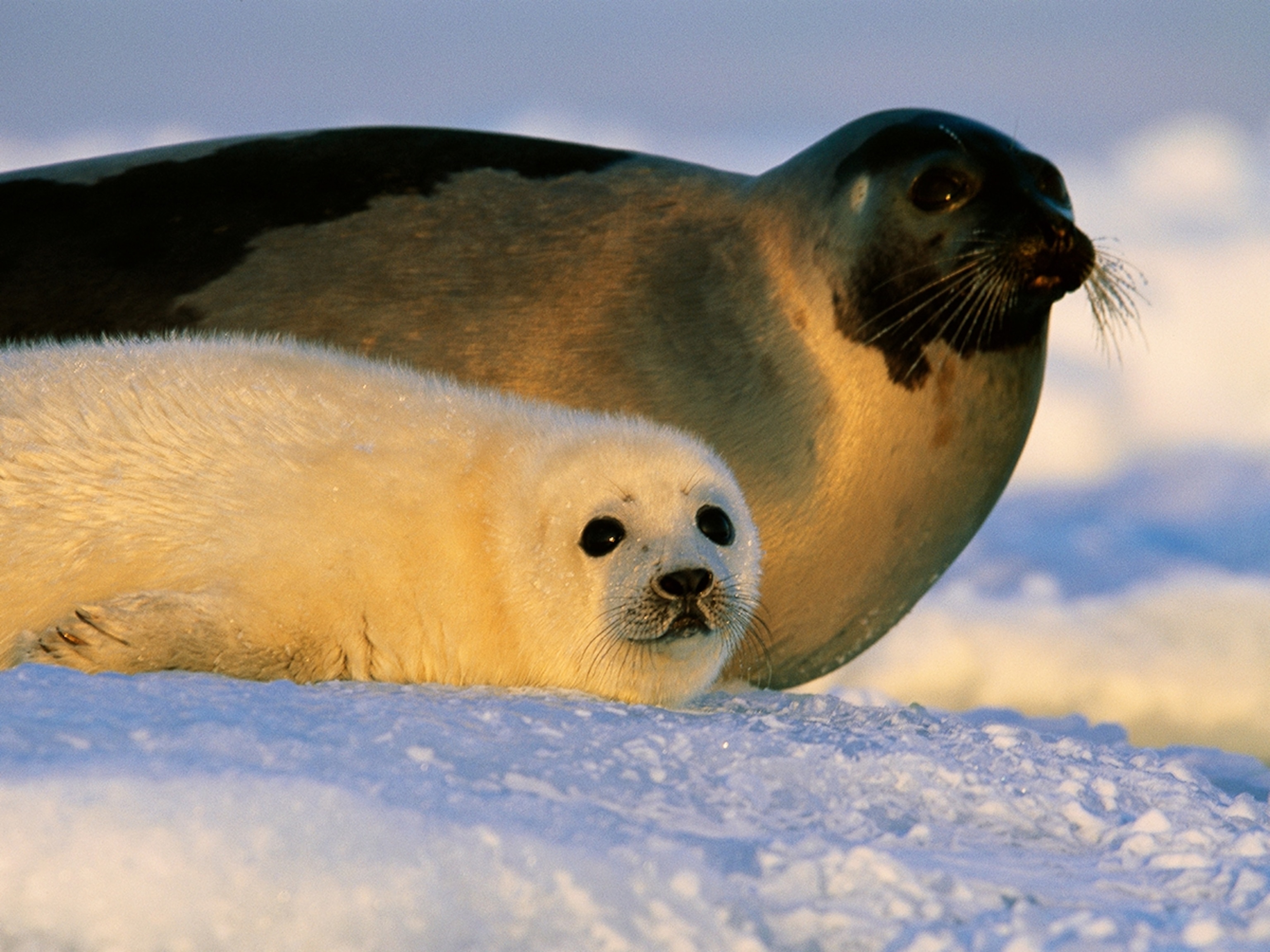
Adults often display dark harp-shaped markings on a pale gray coat, while young pups initially have white fur. Coat pattern changes with age, so pup photographs should not be used as the only identification reference.
Ice is central to breeding
Harp seals gather on seasonal pack ice to give birth and nurse pups. Pups grow rapidly during the short nursing period and then transition toward independent life. Availability and stability of ice can influence breeding success, but conditions differ among regional populations and years.
Diet and migrations
They feed on fish and marine invertebrates, adjusting prey choice to place and season. Harp seals are capable divers and travel long distances as prey distributions and ice cover change. A seal seen farther south than usual does not automatically indicate a stranded or sick animal.
Observing responsibly
Harp seals face changing environmental conditions as well as human activities. Population estimates and management policies require current regional evidence. If a seal is resting on a beach or sea ice, maintain distance and contact authorized wildlife responders rather than moving it or attempting to feed it.
Pups are not miniature adults
Harp seal pups are born in breeding aggregations on ice and have a very different appearance and nutritional dependence from adult seals. Their striking white coats are temporary. After the nursing period, young seals face a challenging transition to independent feeding. This is why interpreting photographs without age or location can mislead readers about species traits. When viewing breeding areas, avoid separating pups from mothers or approaching close enough to alter behavior; even well-intended contact can be harmful.
Observe the habitat, not just the name
A reliable identification should combine the animal’s range, habitat, appearance, and behavior. A common name or single photograph may hide several similar species. Water temperature, depth, and season can also change what an observer finds. For information about conservation or harvest rules, consult the authority responsible for the specific species and area.
Putting scientific names and ranges in context
Marine populations can move, change with ocean temperature, or contain closely related species that are hard to tell apart. When an article describes a habitat or food-web role, treat it as a typical pattern rather than a promise about every individual. Conservation and seafood guidance are also distinct: a species can have biological importance while regional fishing rules and consumption advisories vary independently. Check the latest species-specific agency material before acting on either.
Frequently asked question
Are all harp seals white?
No. White-coated pups change appearance as they mature, and adults have darker characteristic markings.
