Holland Lop Rabbit Cage: Sizing and Safer Indoor Setup
Choose a Holland Lop rabbit cage with enough usable space, sturdy flooring and safe access. Use a sizing checklist and consider a playpen.
Holland Lop Rabbit Cage: Sizing and Safer Indoor Setup
Choose a Holland Lop rabbit cage with enough usable space, sturdy flooring and safe access. Use a sizing checklist and consider a playpen.
Quick answer
Holland Lops are often described as small rabbits, but smaller body size does not mean they can thrive in a miniature cage. A cage or hutch for a Holland Lop should be assessed by adult movement, footing, safe access, and the space connected to it. Individual Holland Lops vary in activity, size, and confidence, and an adult rabbit may use far more floor room than a product photograph suggests. This guide focuses on fitting a home base to a Holland Lop while avoiding invented breed-specific minimum dimensions or medical promises.
A Holland Lop still has standard rabbit movement needs
A rabbit that can curl into a small sleeping box still needs room to stand upright, stretch out, hop repeatedly, turn comfortably, forage, and investigate. That makes a compact 'small breed' cage a questionable choice as the entire living area. Rabbit welfare guidance from RSPCA and RWAF emphasizes sizable continuous movement space and permanent shelter access for rabbits generally. RWAF's suggested 3-by-2-meter continuous floor area and 1-meter height for an average rabbit pair provides context, not a special legal Holland Lop rule. Start with the rabbit's actual adult behavior and plan a secure large exercise area before comparing cage styles.
Plan for adult size rather than kitten-like photos
Pet listings sometimes show young rabbits sitting calmly beside accessories, making a small cage look roomy. Measure an adult rabbit's comfortable full-body stretch and watch how it travels across a room. Allow additional movement room around the litter tray, feeding station, and resting hideout. If you are choosing housing for a young Holland Lop, remember that its body, confidence, and jumping behavior may change as it grows. Do not assume a advertised 'dwarf rabbit' tag accurately describes usable floor area. Check internal dimensions directly and compare actual movement space, not package images.
A stable floor and easy-access threshold
Holland Lops need safe footing like other pet rabbits. Bare wire grids and smooth plastic bases can be problematic, especially if a rabbit slips during a quick turn. Use a solid non-slip surface that stays dry and cannot readily be chewed into loose pieces. Inspect the cage doorway for a sharp lip or awkward step; a rabbit should be able to enter and leave without being lifted each time. Check any ramp for safe traction and sturdy fastening, and do not force an older or uncomfortable rabbit onto steep levels. If hopping becomes hesitant or unusual, a rabbit-experienced veterinarian should assess the change.
Use a cage as shelter within a larger pen
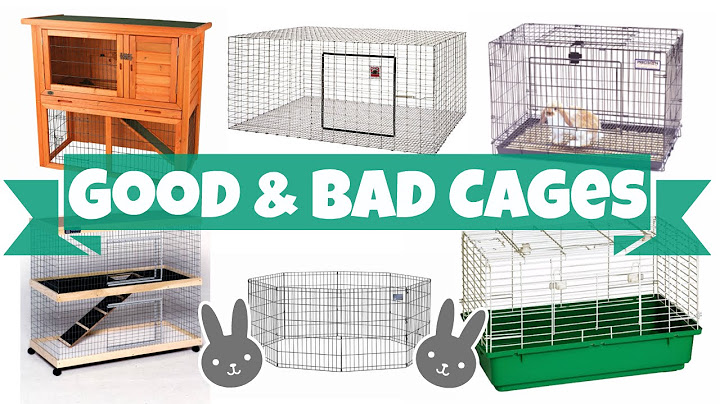
A familiar cage can hold a hay and litter area and provide a secure resting spot if its door remains accessible to a large attached pen. Put the sheltered hideout where household traffic is low and make sure the opening does not force the rabbit through a tight tunnel. Do not crowd the pen with decorative furniture that removes all open floor. If the rabbit shares space with a compatible partner, provide enough choice in resting areas and feeding routes to avoid one animal blocking access. For panel height, floor protectors, and escape prevention, the rabbit playpen guide covers the flexible enclosure rather than breed-specific cage fit.
Practical comparison
| Selection check | What to assess | Avoid |
| Adult body fit | Stretch, stand and turn | Sizing only for baby |
| Exercise area | Large continuous floor | Tiny stand-alone cage |
| Floor surface | Solid, dry and grippy | Exposed wire or slick base |
| Door | Low, wide, secure | High lip and sharp edges |
| Resources | Hay, litter, water and hides | Blocking movement lane |
Choose litter, water, and hideout positions thoughtfully
Many rabbits naturally prefer using a litter box near their hay source. Give the Holland Lop straightforward access to hay and clean water, with room to sit normally and move away when finished. Choose a hideout that allows comfortable entry, turning, and rest; it should not be a tiny ornament simply because the breed is small. Check that a heavy bowl cannot tip into the bedding and that all materials are safe for routine contact and chewing. A second retreat location can help a rabbit choose privacy. Keep an obvious free pathway between resources rather than making the animal hop over obstacles to reach them.
Check door security and bar spacing
Smaller rabbits may be able to explore gaps that seem too narrow for a larger animal. Check any bar spacing against head and limb entrapment risks instead of trusting broad 'small pet' labels. Test every gate after cleaning, and make sure the side panels cannot flex outward when pushed. Avoid exposed sharp clips, loose wire ends, or plastic fasteners that invite chewing. If adapting a dog pen or cage, use suitable securely attached gap protection where needed, following welfare guidance. A secure enclosure should not rely on an animal being too timid to try escaping; behavior can change with age or relocation.
Comfort, enrichment, and a predictable routine
Offer safe chew items, hay for foraging, calm resting places, and a chance to investigate the environment at the rabbit's own pace. An enclosure next to a loud television or one repeatedly disturbed by other pets may not be restful even if it is large. Keep daily care predictable while allowing natural activity, particularly during dawn and dusk. Inspect mats for chewing and wash or replace soiled items promptly. A Holland Lop's breed name does not tell you whether it prefers a tunnel, platform, or open resting area; observe the individual rabbit and offer safe options rather than forcing a decorative layout.
A practical buying and upgrade plan
Measure the intended living footprint, choose the broadest safe continuous space you can provide, and decide where a shelter or cage fits within it. Verify interior floor dimensions, height, doorway clearance, solid footing, bar safety, and cleaning access. Reject the idea that a small rabbit can stay in a tiny cage indefinitely. If an existing cage is structurally sound but too cramped as primary housing, leave it as an open rest station and expand the surrounding exercise area. For comparisons of large cage labels and real footprint measurements, see the large rabbit cage guide; for indoor location and noise, see the indoor rabbit cage setup guide.
Quick inspection checklist
Measure adult fit, not a juvenile product image.
Check bars, threshold, latches and floor grip.
Attach a large secure pen to the sheltered cage.
Keep hay, litter and water accessible.
Inspect changing movement and comfort as the rabbit ages.
Frequently asked questions
Can a Holland Lop live in a small cage?
Its small body does not remove its need to run, stand, stretch, and explore. A small cage alone is generally inadequate.
What cage size does a Holland Lop need?
Use general rabbit welfare recommendations and the individual adult rabbit’s movement and needs; there is no single special official Holland Lop cage size that fits all.
Do Holland Lops need an exercise pen?
A connected spacious pen or rabbit-proofed room is often a practical way to provide the continuous activity space compact cages lack.
Is wire flooring safe for Holland Lops?
Solid non-slip flooring is preferable because exposed wire can be uncomfortable and may contribute to foot injury.
Should I buy a cage for my young Holland Lop?
Plan for adult size and future behavior, not a temporary juvenile fit. Consider a shelter inside a much larger secure living area.