Indoor Rabbit Cage Setup: Safe Layout and Better Options
Plan a safer indoor rabbit cage setup with the right placement, flooring, ventilation and attached playpen for more room to move.
Indoor Rabbit Cage Setup: Safe Layout and Better Options
Plan a safer indoor rabbit cage setup with the right placement, flooring, ventilation and attached playpen for more room to move.
Quick answer
An indoor rabbit cage setup should act like a functional room within a room: secure enough to keep the rabbit away from household hazards, comfortable enough for rest, and open to a sufficiently large exercise space. Many people start with a cage or adapted indoor hutch and later discover that its location, flooring, and doorway create more problems than the product dimensions suggested. This guide concentrates on indoor placement and configuration, not a general rabbit-proofing manual or a list of supposedly best cages.
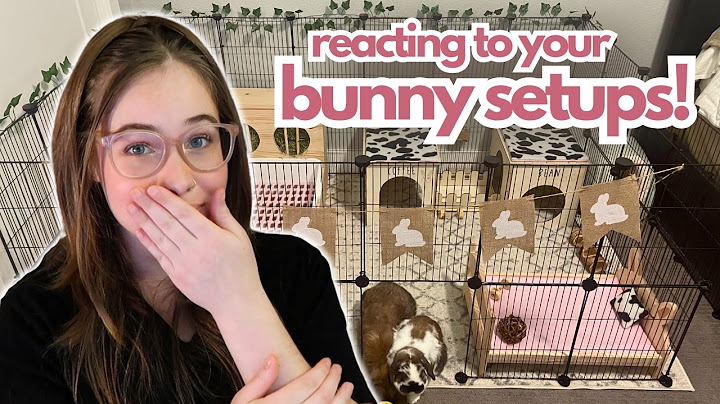
Choose the right indoor housing arrangement
A cage with an open door and attached exercise pen works differently from a cage that is latched most of the day. A rabbit-proofed room with resting shelter may provide even more freedom, provided cords, plants, doors, and other hazards have been addressed. The RSPCA and RWAF recommend continuous access to ample enclosed floor area and a resting shelter, not a hutch alone. Their 3-by-2-by-1-meter guideline for a pair of medium rabbits is an animal-welfare recommendation, not a universal US legal standard. In apartments, prioritize a continuous, practical footprint instead of narrow maze-like pathways connecting several tiny areas.
Place the enclosure where daily life is calm
Pick a quiet part of the home away from radiators, direct sun, cooking fumes, heavy foot traffic, and sudden door swings. Avoid positioning the rabbit behind loud speakers or beside a frequently running dryer. Heat can build up quickly in a sunny corner even when the rest of the room feels comfortable. Make sure there is enough clearance to open gates and remove the litter tray. A room with natural light should also offer shaded retreat. Check that any dog or cat in the household cannot harass the rabbit through the bars. A good location supports predictable rest as well as low-stress daily care.
Build a usable layout with distinct zones
Keep a hay and litter zone together where appropriate, a separate clean drinking station, and one or more protected hiding places. The resting shelter should allow voluntary retreat without blocking all exits. If two compatible rabbits live together, make sure they can move around each other and reach resources without one controlling the only doorway. Leave a long strip of floor unoccupied for running and turning. Do not cram toys, food bowls, and decorative tunnels into every square foot. A quiet corner for a hideout and a clear central activity route often work better than a visually busy miniature house.
Use a firm, non-slip washable base
Most polished flooring offers too little traction for fast turns, while exposed wire flooring can hurt feet. Cover the active area with a stable, washable, solid surface that does not fold under claws or invite chewing on loose backing. Test whether an exercise pen pushes the flooring into ridges. If using a waterproof layer underneath, keep edges inaccessible and inspect for trapped dampness. Replace visibly frayed fabric and check that cleaning products are safe for the material and fully rinsed away. The right floor is one a rabbit can move on confidently, not merely one that looks clean in photographs.
Practical comparison
| Indoor feature | What to check | Why it matters |
| Location | Shade, calm, airflow | Reduces heat and startling |
| Floor | Solid and grippy | Supports safe movement |
| Opening | Wide, secure, accessible | Prevents awkward exits |
| Resource zones | Hay, litter, water, hides | Keeps needs available |
| Pen connection | Wide and always usable | Allows free exercise |
Inspect hutch doors, ramps, and ventilation
Indoor hutches sometimes combine a small upper sleeping box with a ramp to a lower pen. That arrangement can be convenient for resting but does not create extra continuous floor area by adding levels. Inspect any ramp for stable attachment, low slope, solid grip, and room for a safe landing; individual mobility can change with age and injury. Avoid shut-in wooden boxes with poor airflow or a lingering ammonia smell. Latches should be easy for a person to operate without sudden loud rattles. If a narrow door creates a bottleneck between compartments, a wider opening or different system may be safer.
Protect household hazards outside the enclosure
A rabbit may reach its nose between bars to pull a charging cable, curtain, or plant leaf that seems well beyond the pen. Move cords into secure protective routing, elevate unsafe plants, and check the rear of nearby furniture for exposed staples or tape. Avoid storing chemical cleaners within splash or chew distance. If children regularly enter the room, ensure that the gate cannot be left ajar accidentally and teach gentle, supervised interaction. Safety barriers are not a substitute for checking what lies outside them. For broader floor-area selection, see the rabbit playpen guide rather than treating indoor room placement as the same topic.
Daily cleaning without disrupting the rabbit
Scoop wet litter and replace soiled hay promptly, check water every day, and inspect low corners where urine could soak into flooring. Deep-clean sections as needed, but keep a familiar scent-bearing hideout or clean blanket available where appropriate. Do not use overpowering sprays close to a rabbit's nose. When changing the layout, introduce the new arrangement gradually so the animal can explore by choice. A weekly inspection should include hinges, latch strength, mat edges, frayed fabric, and any spot the rabbit has begun to chew. Sudden reluctance to move or use the litter area warrants attention beyond cleaning.
Know when to expand the current footprint
If the rabbit can only take one or two hops before encountering a wall, cannot turn freely with supplies inside, or spends long periods waiting for the gate to open, reconsider the housing plan. You may be able to connect an additional safe panel area or dedicate a larger portion of the room. Remember that a vertical tower does not solve a shortage of horizontal running room. Check adult size and bonded pair needs rather than sizing for a juvenile rabbit. The large rabbit cage guide explains how to measure usable floor space; this article stays focused on safe indoor placement and daily configuration.
Quick inspection checklist
Choose a quiet shaded room location.
Check indoor temperature and airflow at rabbit level.
Use solid grippy floor covering.
Keep cords and plants beyond reach.
Maintain an open connection to sufficient exercise area.
Frequently asked questions
Where should I put an indoor rabbit cage?
Choose a quiet, shaded, ventilated location away from heat sources, cords, and sudden door traffic.
Can I put a rabbit cage on tile?
Provide a secure, non-slip covering because smooth tile can make hopping and turning difficult.
Does an indoor rabbit need a playpen too?
Most compact cages need a larger connected exercise area to give sufficient room for movement and natural behavior.
Should the hutch door stay open?
Ideally a sheltered resting station connects to an adequate secure exercise area that the rabbit can choose to access at all times.
How often should I inspect the indoor setup?
Check food, water, wet litter, floor grip, and latches daily, and review wear and layout at least weekly.