Homalocephale: Flat-Headed Dinosaur Fossils and Classification
Pachycephalosaur fossil evidence, taxonomic debate and skull structure.
Homalocephale: Flat-Headed Dinosaur Fossils and Classification
Homalocephale is a name associated with a relatively flat-headed pachycephalosaur from Late Cretaceous Mongolia. The account below separates observations from fossil material and reasonable but uncertain reconstructions.
Identification and evolutionary relationships
Paleontologists identify fossil animals through diagnostic bones, not imagined colors or behaviors. Comparisons with related groups help reconstruct missing anatomy, but a fragmentary specimen sets real limits.
Geological age and fossil context
Mongolian fossil sites preserve parts of this animal and related dome-headed dinosaurs. The fossil record is limited, which complicates confident life reconstructions.
A fossil formation supplies context about time and deposition, but it does not record every part of an ancient animal’s range.
Diet and ecological setting
Like other pachycephalosaurs, it is generally inferred to have eaten plant material and perhaps other foods, but specifics are uncertain.
Feeding claims are usually inferences from form and related evidence; detailed meal-by-meal statements are rarely justified.
Anatomy, movement and life history
Its skull differs from the exaggerated domes in some relatives, and age-related change may explain part of that contrast. Head-butting behavior is not directly observed.
Behavior is harder to reconstruct than bone structure. Where direct fossil evidence is scarce, cautious language is essential.
Evidence versus reconstruction
Taxonomy changes when new fossils or analyses appear. State which ideas are supported by physical specimens and which remain debated, especially for size, social behavior and reconstruction art.
Flat-headed specimens can be juveniles, members of a separate lineage, or distorted by preservation. The debate over Homalocephale illustrates why naming an extinct species can remain provisional.
What future discoveries could change
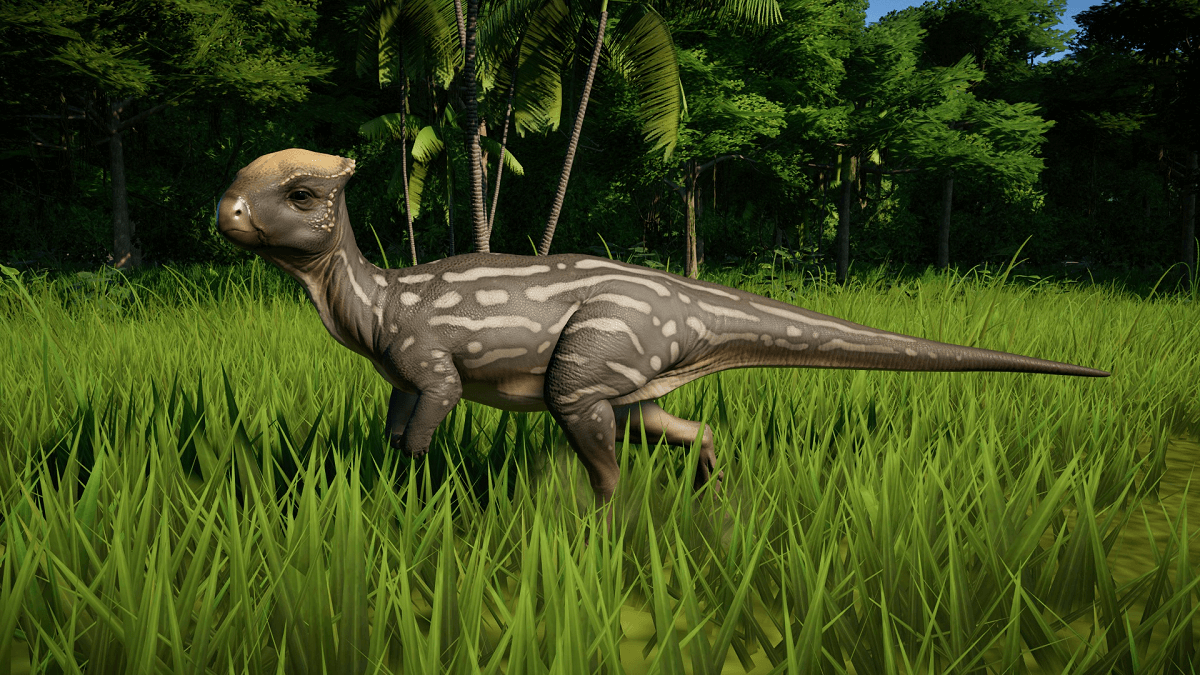
An identification rests on preserved anatomy and comparison, not the artist’s chosen pose or skin color. An illustration communicates one hypothesis. It should not be presented as a direct photograph of the past.
Classification note: the validity of Homalocephale as a separate genus has been questioned in some paleontological interpretations.
Treat fossil reconstructions as scientific models that can improve when new specimens are found.
Quick takeaways
Mongolian fossil sites preserve parts of this animal and related dome-headed dinosaurs.
Like other pachycephalosaurs, it is generally inferred to have eaten plant material and perhaps other foods, but specifics are uncertain.
Some researchers have questioned whether named Homalocephale material represents a distinct mature genus or a growth stage of another taxon.
Frequently asked questions
What was Homalocephale?
Homalocephale is a name associated with a relatively flat-headed pachycephalosaur from Late Cretaceous Mongolia.
Where and when do its fossils place it?
Mongolian fossil sites preserve parts of this animal and related dome-headed dinosaurs.
What can scientists say about its diet?
Like other pachycephalosaurs, it is generally inferred to have eaten plant material and perhaps other foods, but specifics are uncertain.
