Cat Pill Poppers: When a Vet May Recommend One
Understand cat pill poppers and pill shooters, what fit and tip safety mean, and why a veterinarian should demonstrate correct tablet administration.
Cat Pill Poppers: When a Vet May Recommend One
A cat pill popper, also called a pill shooter, pill gun, or pet piller, is a small tool that holds a tablet or capsule and releases it in the mouth. Veterinary clinics sometimes use one to avoid placing fingers near a cat's teeth. It is not a harmless gadget for trial-and-error use: an unsuitable tip, aggressive restraint, or inaccurate placement may hurt a cat. Ask veterinary staff to show exactly how to use the chosen device before trying it at home.
What a feline pill popper is designed to do Most pill poppers use a slender body, a flexible or rubber tip that grips medicine, and a plunger that releases the pill. They may be sold under several names, but their basic role is the same: help deliver medication by a direct oral route when an approved food-based option fails or is prohibited. A device does not remove the prescription's food restrictions or allow a capsule to be opened without permission.
Models differ in the size and type of medicine they hold, the firmness of the tip, and the force required to move the plunger. A device that looks ideal in a product photograph may not suit a particular cat. The veterinary team can evaluate fit and handling before home use.
When a veterinarian might suggest one Some cats readily swallow a pill concealed in a tiny soft treat. Others detect the pill, reject food, or have a prescription that requires administration without food. In those cases, a veterinary professional may demonstrate a pill popper as one option. It may be particularly helpful for a cooperative cat that accepts brief, gentle handling yet reacts to fingers near the back of the mouth.
A cat that panics, bites, thrashes, has mouth pain, or has difficulty swallowing needs a different assessment. The device is not intended to overcome resistance by force. Discuss the cat's health, size, and prior experiences with the clinician and ask whether another medication form would be safer or more practical.
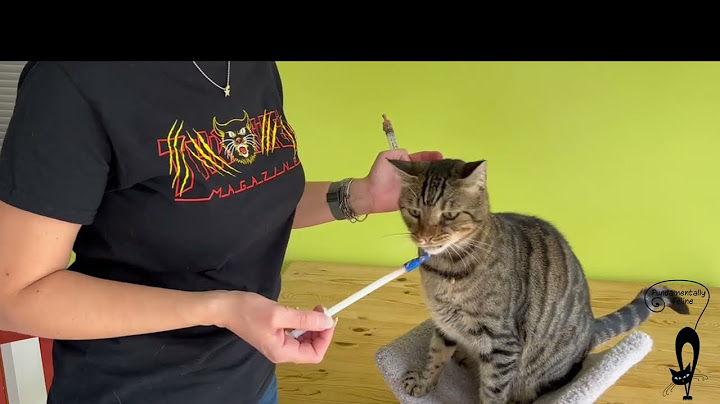
Compare tips, sizes, and cleaning needs Examine the medication-holding tip for cracks, rough edges, or loose parts. The tip should hold the prescribed tablet securely without deforming it. Make sure the release mechanism moves smoothly and does not launch medicine unpredictably. Do not improvise tape, hard attachments, or modifications to make an unsuitable product fit.
Ask whether the model can be cleaned thoroughly between doses and whether its tip can be replaced. Residue from one medication should not contaminate another. Wash and dry the device as directed by its manufacturer, store it clean, and inspect it before every use. Replace damaged equipment rather than risking mouth injury.
Learn the technique in person Have a veterinary technician show safe loading, cat positioning, controlled placement, and release using the actual device. Ask the clinician to observe you practicing before you go home. Keep the cat on a stable surface, avoid aggressive restraint, and stop if the cat struggles. The aim is a brief, precise procedure, not a prolonged battle.
Do not push the device far into the throat, direct the plunger toward sensitive tissue, or keep trying after a frightened response. Improper use can damage the mouth and create a strong negative association with medication. If you cannot use the tool calmly and safely, the prescribing team can advise on clinic administration or a different formulation.
Aftercare and the esophagus matter Cats can retain dry tablets or capsules in the esophagus. Cornell and other veterinary resources recommend an appropriate water or food follow-up after certain oral medications. Ask for a demonstration and drug-specific instructions before giving water. Never squirt liquid quickly toward the back of the throat, as this can cause choking or aspiration.
Watch for the cat dropping the tablet after the device is withdrawn. If a dose is uncertain, record what you saw and call the prescriber before repeating it. The plunger moving is not proof the dose went down. Monitor for distress, difficulty swallowing, or persistent coughing and seek veterinary care if those occur.
Pill popper versus pill pocket: which belongs where? A pill pocket is an edible treat that can disguise medicine if food is permitted; this may be less invasive for a treat-motivated cat. A pill popper delivers medicine mechanically and may help when food-based techniques are inappropriate, but it demands training. Neither option changes the drug itself. Some cats need a veterinary-approved alternative such as a liquid or differently sized tablet.
This page focuses on choosing and using the tool safely. The broader guide to giving a cat a pill covers medication timing, swallowing checks, and missed-dose decisions. The cat pill pockets page addresses treat size and ingredients.