How to Give a Dog a Pill Without Missing the Dose
Learn practical ways to give a dog a prescribed tablet, when hiding it in food is allowed, how to check for spit-out pills, and when to call your veterinarian.
How to Give a Dog a Pill Without Missing the Dose
Giving a dog a pill reliably is less about finding one clever trick and more about following the specific prescription, checking whether food is allowed, and confirming that the medication was swallowed. Many dogs accept medicine hidden inside a tiny soft treat; others need a veterinarian to demonstrate direct administration or a different formulation. Choose the least stressful safe method for the dog instead of forcing a single technique to work every time.
Start with the prescription instructions Before opening a tablet bottle, read the medicine name, dose, timing, food instructions, storage directions, and any precautions about handling. Some medicines are intended with food; others should be given on an empty stomach. Some tablets or capsules must remain whole. Do not crush, split, open, or dissolve medication unless the prescriber specifically permits it.
Prepare one labeled dose at a time, away from other pets and household medications. For long-term treatment, keep a simple administration log: date, time, drug, and whether the dose was confirmed. This prevents confusion when several family members help. Call the veterinary team if directions are unclear before attempting to improvise with food or equipment.
Decide whether a treat-based approach is allowed If food is allowed, begin with a small quantity of an approved treat or canned dog food. A soft pill pocket can wrap around an intact tablet and hide its edges. Offer a bite the dog can reasonably swallow without prolonged chewing. A huge food ball may be messy and can allow the dog to discover or discard the medicine.
Avoid placing the drug in an entire meal unless the veterinary team recommends it. If the dog grazes or leaves food unfinished, you cannot know how much medicine was taken. Check food allergies, special diets, and caloric limits. A sugar-free product made for people may contain xylitol, which is dangerous to dogs. The treat should solve a delivery problem, not create a nutrition or toxicity problem.
Set up a calm, repeatable routine Choose a quiet location with secure footing. Put the prepared dose, treats if approved, and the medicine log within reach before calling the dog over. Maintain a neutral, relaxed tone; rushing, chasing, or surprising a dog can turn a routine dose into a struggle. An owner may find the dog more cooperative before a normal meal, but only when that timing is compatible with the prescription.
Offer the medicated bite, watch the mouth, and allow a moment to swallow. Look for a tablet dropped nearby or tucked into a cheek. Some dogs eat the surrounding food and eject the pill several seconds later. A quick visual check matters more than whether the dog appeared enthusiastic. Praise the dog when the process is over, regardless of whether a different strategy is needed next time.
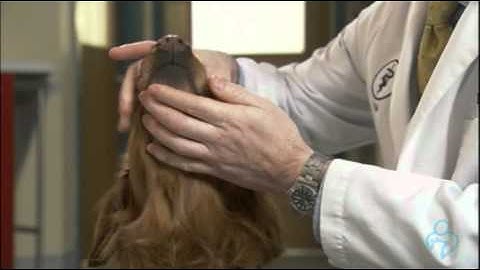
What if food fails or is prohibited? If the medicine cannot be taken with food, ask the veterinarian to demonstrate direct oral administration. The clinical team can assess whether the dog's mouth, behavior, and anatomy make this reasonable for home care. Follow their demonstrated technique rather than an improvised forceful method. A dog that panics, struggles, or risks biting needs a safer plan, not more restraint.
Some dogs may benefit from a veterinary-approved pill delivery device; others do better with a smaller capsule, a liquid, or an alternative formulation. The formulation must be checked for stability, dosing accuracy, and suitability. Do not substitute a human prescription or change a tablet's form on your own. The goal is consistent treatment without injury to the pet or caregiver.
Confirm delivery and handle uncertain doses A wet tablet on the floor clearly signals failure; a dose that cannot be located may be uncertain rather than confirmed. Do not give a second pill simply to be safe. Contact the prescriber or consult the medication-specific missed-dose instructions; the answer varies by drug and by timing. Never double the next dose unless explicitly directed.
If the dog vomits soon after medicine, the right response is also medication-specific. Note the time, whether the tablet is visible, and any symptoms, then contact the veterinary team. Seek urgent care for breathing difficulty, collapse, severe distress, or another serious reaction. Consistent documentation helps the clinic decide the next step without guessing.
Troubleshoot the method rather than changing the dose For repeated resistance, report exactly what fails: the dog smells the tablet, spits it out, refuses the treat, or becomes stressed when handled. These are different problems with different solutions. The veterinarian may recommend a permitted food vehicle, a pill pocket, a device demonstrated in clinic, or an alternative formulation. Ask about medication taste and whether the tablet must stay intact.
A reliable routine ends with a verified swallowed dose and a calm animal. It does not require getting every dog to accept the same trick. The accompanying guide to dog pill pockets addresses product selection; this page focuses on giving the prescribed medicine correctly.
Frequently asked questions ### Can I crush a dog's tablet into food? Only with explicit approval from the veterinarian or pharmacist. Crushing can change how some medicines work or expose people to drug powder. ### What is the easiest way to give a dog a pill? A small soft treat may work when food is permitted. The easiest safe method depends on the prescription and the individual dog. ### What if the dog spits the medicine out? Check what was rejected and contact the veterinary clinic if re-dosing is uncertain. Do not give a double dose by guesswork. ### Can I hide medication in a full bowl of food? A small separate bite is often easier to monitor. Ask the veterinarian first, especially if the dog may leave part of its meal. ### When should I ask for a different formulation? Ask when swallowing is repeatedly unsuccessful, the dog becomes very distressed, or the medication cannot be given safely as prescribed.
Related reading
Dog Pill Pockets: Choosing a Treat That Helps With Medication