Dog Pill Pockets: Choosing a Treat That Helps With Medication
Learn how dog pill pockets work, what to check on ingredient labels, when food is not allowed with medication, and how to confirm your dog swallowed a pill.
Dog Pill Pockets: Choosing a Treat That Helps With Medication
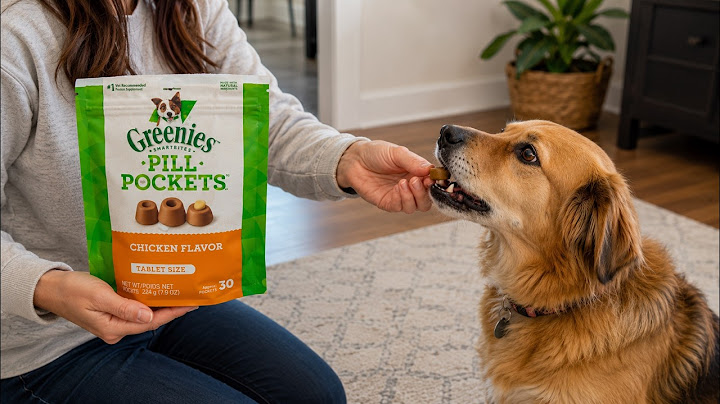
Dog pill pockets are soft, moldable treats with a cavity for a tablet or capsule. They can make medication time more cooperative when a veterinarian confirms the prescription may be taken with food. The pocket is only a delivery aid; it does not change the dose, make an incompatible drug food-safe, or guarantee that the tablet has been swallowed. A useful buying decision begins with the medication instructions and the individual dog's diet, not a brand ranking.
What a dog pill pocket does—and what it cannot do A typical pocket holds the medication inside a small piece of flavored, pliable treat. The owner closes the opening before offering it, making the medicine less obvious than a loose pill balanced on kibble. This can be especially helpful for dogs that willingly take soft treats but reject plain tablets. It may also help an owner avoid a stressful direct-pilling attempt.
The limitations matter. A dog may chew the treat, detect a bitter tablet, spit the medicine onto the floor, or swallow the treat while leaving the pill behind. Some prescriptions require an empty stomach, while others have instructions about food, timing, or swallowing whole. The label and veterinary team take priority over any package suggestion to “hide the pill.”
Choose the right size, texture, and shape Compare the actual size of the prescribed tablet or capsule with the opening in the treat. A pocket should close fully without requiring the owner to break the medication apart. Smaller doses may fit in a compact pocket; larger capsules sometimes need a different delivery method. When a pocket is too small, ask the veterinary clinic about an approved alternative rather than forcing it around an oversized capsule.
Look for a texture that can be sealed without crumbling. Very sticky products may make handling awkward, while dry products may split during closure. A dog that chews every treat slowly may be more likely to detect a tablet than one that usually swallows a small soft treat. Do not assume that enthusiastic treat-taking means the pill has gone down: verify it after every dose.
Read the label, including calories and allergens Read the ingredients for proteins, wheat, soy, dairy, and other components that may conflict with an allergy or elimination diet. Dogs with pancreatitis, gastrointestinal disease, food sensitivities, or a prescribed therapeutic diet may need a different approach. Treat calories also accumulate: a daily medication administered several times can turn a modest treat into a meaningful share of the day's calorie budget.
Pay special attention to improvised alternatives. Certain sugar-free nut butters and other human foods contain xylitol, which is toxic to dogs. Check the entire ingredient list before using a human food around medication. If the dog has dietary restrictions or the appropriate treat is uncertain, ask the veterinary team for a compatible option rather than experimenting.
A low-stress fill, pinch, and give routine First confirm that the medication can be given with food and must be swallowed intact. Wash your hands as the label requires, prepare a single dose, and avoid contaminating the remaining treats. Place the medicine in the cavity, close the treat completely, and give it as a small, separate bite. Watch the dog finish; then look for a pill that may have fallen from the mouth or been pushed aside.
Keep the interaction calm and predictable. For some dogs, an unmedicated treat immediately before or after the medicated one helps preserve the routine, but extra calories and the prescription's food instructions still count. Never conceal multiple doses in a single pocket unless directed. Record whether the medicine was definitely swallowed, rejected, or uncertain rather than relying on memory.
If your dog spits out the pill Stop and locate the pill if possible. A moist or partially damaged tablet may not be safe to reuse; whether it can be administered again depends on the drug. If it has disappeared and swallowing is uncertain, do not automatically give a replacement dose. Contact the veterinary clinic or follow the medicine-specific missed-dose instructions, because double-dosing can be dangerous.
Repeated refusals are a reason to revisit the method. Ask about a smaller tablet, flavored liquid, different formulation, or supervised direct administration. A veterinarian can show safe positioning and discuss whether a pill popper is appropriate for the dog. Avoid chasing or forcibly restraining an anxious pet, which can make future doses harder.
When a pill pocket is the wrong choice Skip this route when the medicine must be given without food, the dog cannot safely eat the treat ingredients, or the pill cannot fit intact. It may also be unsuitable for an animal that repeatedly extracts the tablet. Packaging statements about “fits most pills” do not establish compatibility with a particular prescription. Ask the prescribing veterinary team about medication timing and food allowances, especially for chronic treatment.
The most practical choice is the smallest appropriate, diet-compatible treat that completely conceals an intact dose and that the dog reliably swallows under observation. For administration rather than shopping guidance, see the related article on giving a dog a pill.
Frequently asked questions ### Can I give any dog medication in a pill pocket? No. Some medicines need an empty stomach, must stay intact, or have other administration instructions. Ask your veterinarian or pharmacist first. ### Are pill pockets safe for puppies? Suitability depends on the puppy's age, diet, ingredients, and prescription. Check with the veterinary team before using them for a young dog. ### Can I use peanut butter instead? Only if the veterinarian approves food with the medicine and the product is dog-safe. Read the label for xylitol and other unsuitable ingredients. ### What if my dog eats the treat but spits out the tablet? Do not assume the dose was delivered. Locate the tablet and ask your veterinary team whether and how to administer it again. ### Do pill pockets replace veterinary medication instructions? No. They are a delivery aid, not a prescription change. The medication label controls timing, dosage, and food restrictions.
Related reading
How to Give a Dog a Pill Without Missing the Dose